
Specialty Item Transport Guide for Safer Moves
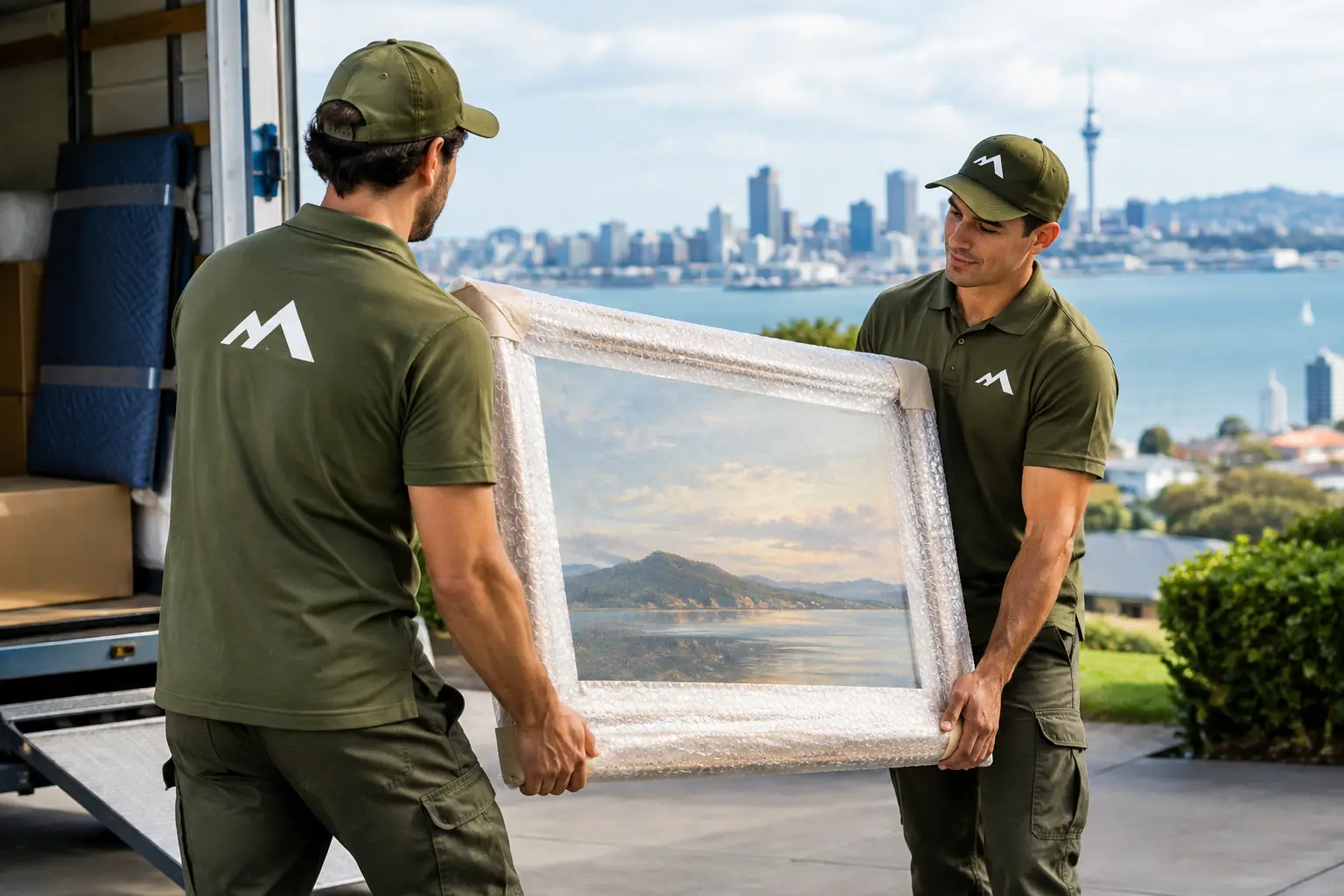
A piano on a steep landing, a safe in a back office, or a marble table with a narrow doorway is not ordinary furniture. These jobs can go wrong before the truck is even loaded. This specialty item transport guide sets out what needs to be checked, planned and handled properly when a heavy, awkward or fragile item has to move.
The common mistake is treating a specialty item as a standard removal with a few extra hands. More people do not automatically make a move safer. The right outcome comes from an accurate assessment, trained movers, suitable equipment and a clear plan for every tight turn, stair, slope and loading point.
What Makes Specialty Item Transport Different?
Weight is only one part of the problem. A piano may be heavy but reasonably compact; a spa pool can be bulky, difficult to grip and vulnerable to damage if lifted from the wrong point. A marble tabletop may be lighter than a safe, yet far more likely to crack under its own weight if it is carried flat or flexed during loading.
The item, the access and the destination all matter. A ground-floor move with wide, level access may be straightforward. The same item becomes a different job when there is a sloping driveway, wet decking, a flight of stairs, restricted apartment lift access or a long carry from the kerb.
Specialty transport should be assessed before moving day, not improvised while a crew is standing in the hallway. Good planning protects the item, the property and the people doing the lifting. It also prevents avoidable delays that push up a time-based moving cost.
A Specialty Item Transport Guide Starts With Access
Before requesting a quote, take clear photos of the item and the full travel path. Include the room it is in, doorways, stairs, landings, gates, driveways and the loading area. Measurements are equally useful, particularly for the item’s height, width, depth and approximate weight.
Do not assume an item will fit because it came into the house years ago. Renovations, new handrails, landscaping, internal doors and parked vehicles can change access. For commercial relocations, loading docks, lift dimensions, building management requirements and permitted moving hours can all affect the plan.
A proper assessment considers more than whether the item physically fits. Movers need to know whether floors are stable, whether stairs have safe turning space, whether there is adequate truck access and whether weather could affect traction. Auckland rain and steep driveways are a poor combination when handling a heavy safe or a polished stone table.
Where access is genuinely unsuitable, the sensible answer may be to change the route, remove a door or gate temporarily, use specialist lifting equipment, or arrange another solution. A professional mover should be honest about this rather than forcing an item through a risky path.
Pianos Need Controlled Handling
Pianos are easily damaged by poor handling, even when they appear solid. Their weight is unevenly distributed, their castors are not designed for rolling across driveways, and their polished surfaces mark easily. Upright pianos and grand pianos require different preparation, wrapping and carrying methods.
The keyboard lid, pedals, legs and external finish all need protection. A grand piano may require careful disassembly and purpose-built protection before it can be moved safely. It should be secured upright in the truck using proper restraints, not left to shift against other household goods during transport.
A piano move also needs a realistic discussion about stairs. A short, straight set of steps is very different from narrow winding stairs with a restricted landing. The safest option depends on the actual property, not a guess over the phone.
Safes Are Heavy, Dense and Unforgiving
A safe creates high point loads and can become dangerous quickly if it tips or rolls. The weight is concentrated in a small footprint, so flooring, ramps and vehicle loading equipment must be suitable. Domestic safes can be deceptively heavy, while commercial safes may require specialist equipment and a more detailed lifting plan.
Never rely on a trolley borrowed from a shed or attempt to manoeuvre a safe down stairs without the correct gear and experienced operators. Damage to walls and floors is one risk. Serious injury is another. The safe must be controlled at every point, including loading, unloading and final placement.
Tell the moving company whether the safe is empty, secured, anchored or located upstairs. If it has been bolted to concrete or timber flooring, removal needs to be planned without creating unnecessary damage to the building.
Spa Pools Need Preparation Before Collection
Spa pools cannot simply be drained on the morning of the move and lifted straight away. They need to be fully disconnected, drained, cleaned and allowed to dry. Water left in pipework adds weight and can leak during transport, while loose covers, steps and accessories should be removed and packed separately.
The shell must be supported correctly. Lifting from vulnerable edges, plumbing connections or cabinet panels can cause costly damage. Access is often the deciding factor, as spa pools are bulky and back gardens may have tight gates, retaining walls or uneven ground.
For some properties, a spa pool can be moved on its side with appropriate protection and restraint. For others, access may require a different lifting approach. The right method depends on the model, its condition and the route out of the property.
Marble, Stone and Statues Require Protection From Flexing
Marble tables, stone benchtops and decorative statues are fragile in ways that are not always obvious. Stone can crack from twisting pressure, a sharp impact or unsupported weight. A marble top should generally be separated from its base where possible, wrapped thoroughly and carried on edge with suitable support rather than laid flat.
Statues also need careful assessment. Their shape, centre of gravity and weak points vary widely. A narrow pedestal, extended arm or delicate base can turn a manageable lift into a high-risk job. Proper padding, crating where necessary, and secure placement in the truck are more valuable than rushing the load.
The Truck and Equipment Matter as Much as the Crew
A clean, purpose-built furniture truck is not a cosmetic detail. It provides the tie rails, padding, space and loading configuration needed to keep valuable goods stable in transit. Blankets, furniture covers, straps, trolleys, skates, ramps and lifting aids should be selected for the item and the job, not used as a one-size-fits-all solution.
Equipment only works when the people using it are trained. An untrained crew can damage a piano with a trolley, overload a ramp or secure a stone table incorrectly. Ask who will actually perform the work. A company that directly employs and trains its movers has clearer responsibility than a booking platform or lead generator passing the job to an unknown subcontractor.
For complex items, confirm that the mover is properly licensed for transport and willing to discuss the method before committing to the booking. Vague assurances are not a plan.
Preparing Your Property and the Item
Clear the route before the crew arrives. Remove mats that could slip, shift pot plants and outdoor furniture, secure pets, and make sure vehicles are not blocking the best loading position. If parking needs to be reserved or building management needs notice, arrange it early.
Photograph the item beforehand, especially if it has existing marks or wear. This is sensible record keeping, not an expectation of trouble. Let the crew know about hidden hazards such as loose decking boards, low eaves, steep paths or fragile flooring.
For commercial moves, identify one person who can authorise decisions on the day. That avoids delays if a safe needs to be placed in a different room or a loading dock is temporarily unavailable.
Choose Accountability Over a Cheap Promise
The lowest quote can become expensive when the mover arrives with unsuitable equipment, insufficient labour or no understanding of the access. Specialty jobs need a price based on the real work involved. That may mean a site visit, detailed photographs or extra questions before a firm quote is provided.
Auckland Moving Guys approaches heavy and specialty items as planned transport work, not an add-on to a general household load. The aim is efficient handling without cutting corners that put your belongings or property at risk.
If a mover cannot explain how they will protect, lift, secure and deliver your item, keep looking. The right crew should leave you with a clear plan and the confidence that a difficult move is being treated with the care it deserves.



0 Comments