
How to Choose Auckland Movers Who Show Up Prepared
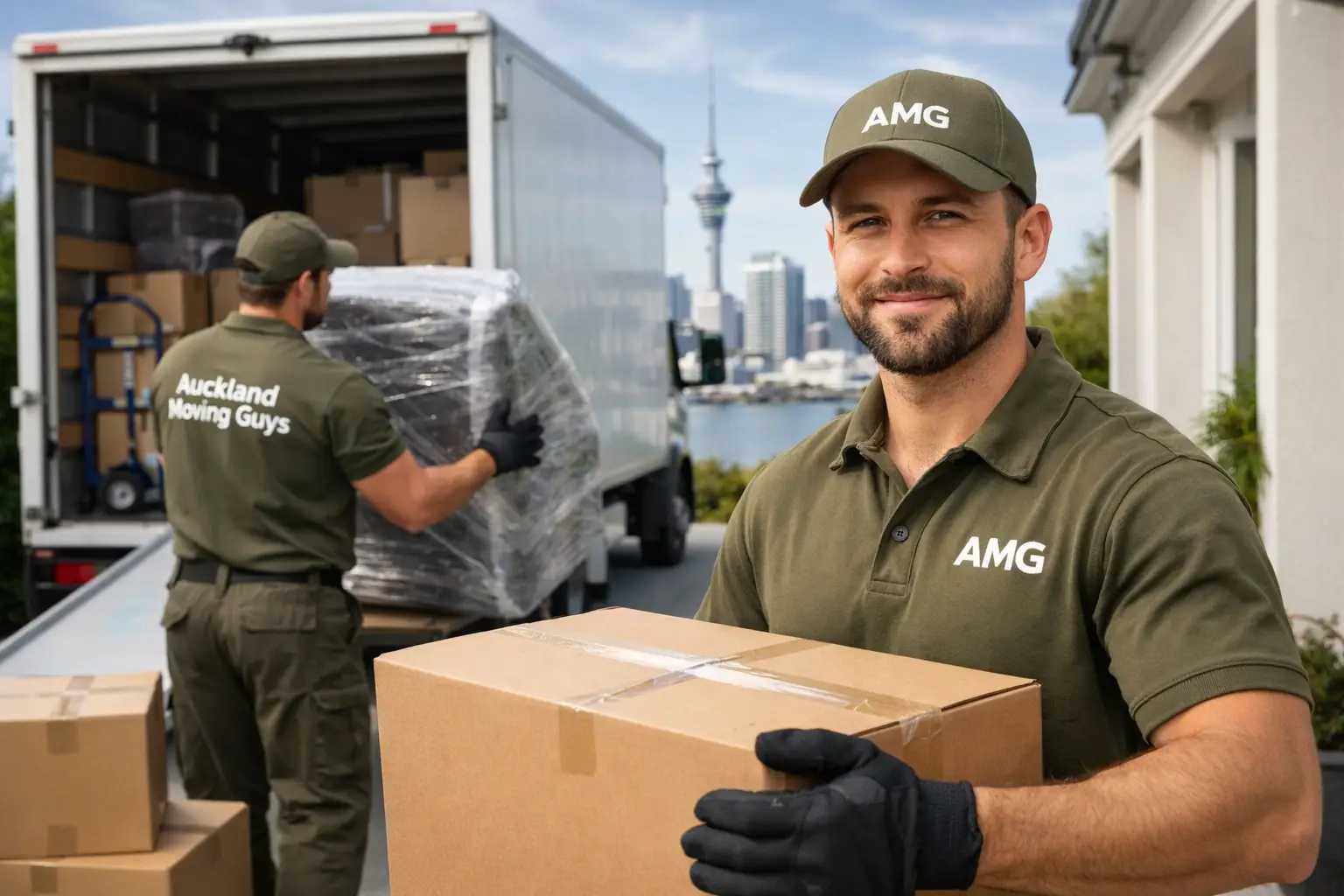
A moving truck arriving late, a crew with no plan, or furniture being loaded without protection can turn an ordinary move into an expensive problem. When comparing Auckland movers, the real question is not who can give the lowest number over the phone. It is who has the people, equipment and responsibility to move your belongings properly from start to finish.
A good move is controlled work. It depends on an accurate understanding of the job, trained movers who know how to handle furniture, a clean truck built for removals, and a crew that can keep the day moving without cutting corners. Those details protect your possessions and, just as importantly, protect your time.
Auckland movers are not all operating to the same standard
The moving industry includes genuine removal companies, owner-drivers, casual labour hire crews and online booking businesses that pass work to someone else. They can all appear similar in a search result, but the accountability behind the service may be very different.
A lead-generation business may take the booking while another operator performs the move. If there is a problem with damaged furniture, poor communication or a crew that does not arrive as promised, the customer can be left trying to work out who is actually responsible. That is not a position anyone wants to be in on moving day.
Direct operators have more at stake. They employ or manage their own crews, maintain their own trucks and answer directly for the standard of work. This does not mean every small operator is careless or every larger company is better. It does mean you should ask who will be doing the move, whether they are trained movers, and whether the business taking your booking is the business carrying out the work.
Price matters, but a low hourly rate can become poor value if the crew is inexperienced, the truck is unsuitable, or the job takes far longer than it should. Moving is one of those services where efficient, careful work often costs less overall than cheap work done slowly.
Start with a clear picture of the move
Reliable quoting begins with accurate information. A two-bedroom flat with lift access is not the same job as a two-bedroom home with stairs, a long carry from the front door and a heavy dining table that needs dismantling. The more detail a mover has before the booking, the less room there is for avoidable surprises.
Tell the mover about access at both properties. Mention narrow driveways, steep sites, apartment lifts, loading zones, stairs, internal steps and any distance between the truck and the entrance. In central Auckland and busy suburban streets, parking arrangements can affect both timing and cost. If a truck cannot safely get close to the property, the crew may need to carry every item much further.
Furniture details matter too. Flag oversized sofas, large refrigerators, fragile display cabinets, marble tops, gym equipment and anything stored in a garage, shed or loft. If furniture needs disassembly and reassembly, say so before the move rather than assuming it is included. A professional mover can plan for the work. An unprepared crew will be making decisions at your front door.
For commercial relocations, include workstation numbers, filing cabinets, IT equipment, access hours and whether the premises require lift bookings or building approval. Office moves often need to happen outside normal trading hours, and the schedule needs to be realistic. Rushing a commercial move can create downtime that costs far more than the transport itself.
The crew and truck determine how your furniture is treated
Furniture removal is skilled physical work. A trained crew understands how to lift safely, how to wrap and stack items, how to protect corners and doorways, and how to load a truck so furniture does not shift in transit. They also know when an item needs more than two people or a different handling method.
Purpose-built furniture trucks make a practical difference. They should have suitable tie rails, clean internal spaces, moving blankets, trolleys and equipment that helps secure furniture during transport. A dirty or poorly equipped vehicle is not just a bad look. It increases the risk of marked upholstery, damaged timber and unstable loads.
Ask what protection is used for furniture and whether the crew carries the equipment needed for your particular job. The answer should be clear and specific. Vague assurances are not a substitute for blankets, straps, dollies and a truck that is fit for the work.
It is also reasonable to ask about transport licensing, staff training and industry membership. These are signs that a business treats removals as a professional service rather than a quick way to fill a truck. Auckland Moving Guys Ltd. operates with trained in-house movers and purpose-built furniture trucks because the standard of the equipment and crew is central to protecting a customer’s belongings.
Control time-based costs before the truck arrives
Many moves are charged by time, so preparation is not just about being organised. It has a direct effect on the final bill. A crew should spend its time moving furniture, not waiting for boxes to be taped, trying to find keys, or sorting through cupboards that have not been packed.
Pack smaller items into strong boxes and avoid overfilling them. Clearly label boxes by room, particularly those containing fragile items or items needed first at the new property. Keep passports, medication, jewellery, important documents, chargers and daily essentials with you rather than loading them onto the truck.
Before moving day, clear walkways, remove loose rugs where practical and make sure children and pets are safely out of the loading path. Reserve parking if the property or building requires it. At the destination, decide where major furniture will go before the crew arrives. A few minutes of direction at the start is far quicker than moving a heavy wardrobe twice.
There is a balance here. You do not need to dismantle everything yourself if that is part of the agreed service, and you should not attempt awkward lifting to save time. Leave difficult furniture, appliances and heavy items to people with the right equipment and experience.
Specialty items need a proper plan
Pianos, spa pools, safes, statues and marble tables are not ordinary household items. Their weight, shape and fragility create risks for the item, the property and the people handling it. These jobs should be discussed in detail before a booking is confirmed.
A mover needs to know the approximate size and weight, the access route, the number of stairs, any tight turns and whether lifting equipment may be needed. Photos can help establish whether the job is straightforward or requires a site assessment and a specialised solution. A spa pool, for example, may need several experienced handlers and careful planning around gates, fencing and ground conditions.
Do not accept an offhand promise that a crew will “have a go” on the day. Professional movers assess the risk first. Sometimes the safest answer involves extra labour, different equipment or a separate specialist arrangement. That can add cost, but it is preferable to damaged property or an unsafe lift.
Questions worth asking before you book
Before choosing a removal company, get direct answers to a few practical questions:
- Will your own trained crew complete the move, or is the job passed to another operator?
- What truck, protective materials and handling equipment will be used?
- How are travel time, stairs, long carries, packing and extra labour treated in the quote?
- Can you handle the specific heavy, fragile or oversized items in my move?
- What information do you need from me to avoid delays or changes on the day?
The way a company responds is often revealing. A professional operator will ask questions back, because they are trying to understand the job properly. A quote based on almost no information may be convenient, but it is less likely to reflect the real work involved.
What a well-run moving day looks like
A capable crew arrives ready to work, confirms the plan, walks through the property and identifies items that need particular care. Furniture is protected as required, loaded in a stable order and secured for transport. At the destination, the crew follows clear room directions and places larger items where they belong.
Not every move runs exactly to schedule. Traffic, lift delays, weather and difficult access can affect timing. The difference is how the crew responds. Good movers communicate early, adapt without panic and keep the customer informed rather than leaving them guessing.
Choose the company that treats your move as a responsibility, not simply a booking slot. Your furniture has value, your time has value, and a properly prepared crew is the best protection for both.


0 Comments