
Retail Store Relocation Guide for Auckland Businesses
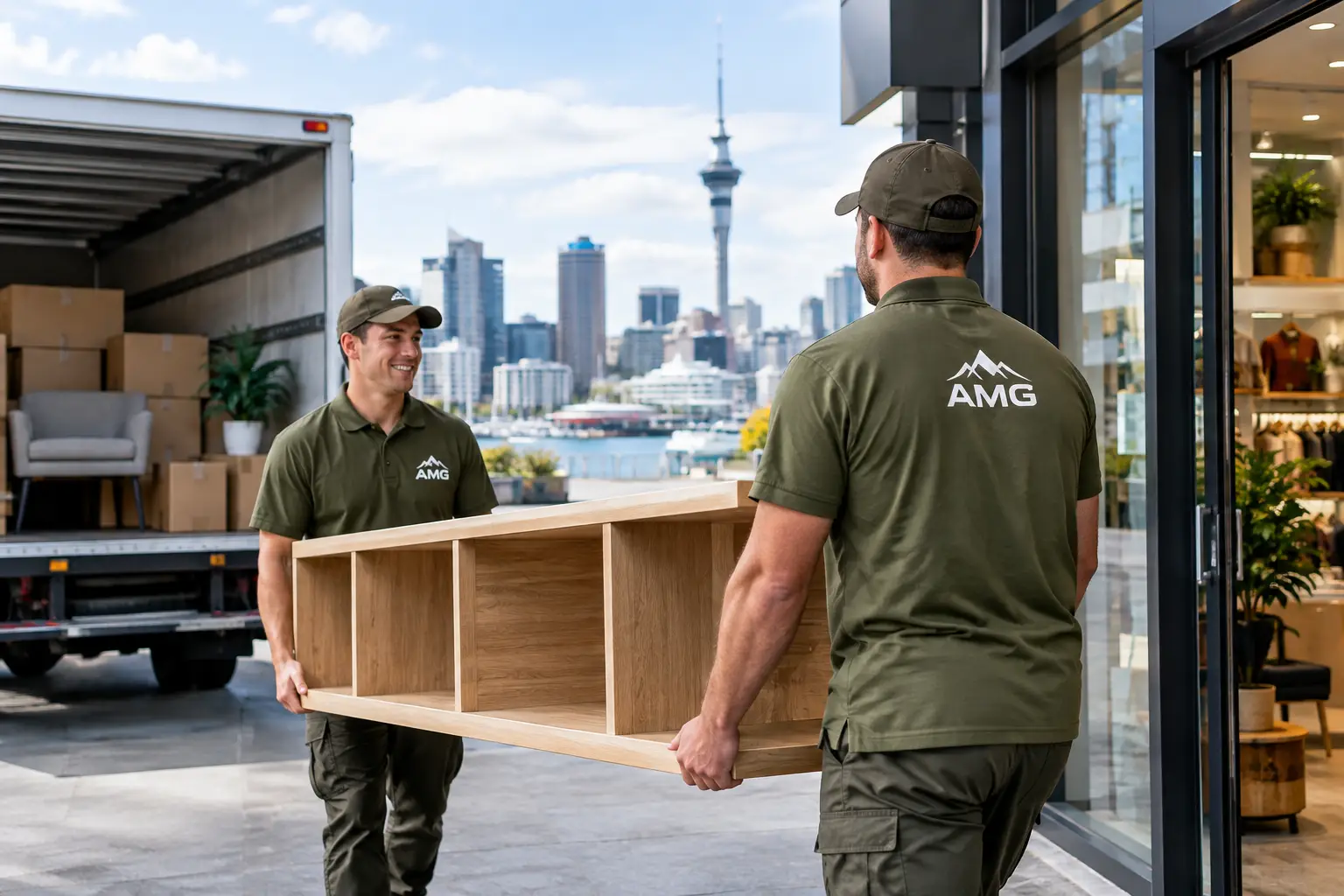
A retail move can lose money long before the first truck arrives. A delayed reopening, damaged point-of-sale equipment, stock sent to the wrong place or a blocked loading zone can all turn a promising new premises into an expensive disruption. This retail store relocation guide focuses on the operational details that protect your stock, fixtures, staff time and trading continuity.
Start with the trading plan, not the truck
The relocation plan should begin with one question: how will the move affect customers and revenue? A small boutique may be able to close for a day or two. A high-turnover retailer, pharmacy, showroom or chain store may need staged moves, after-hours work or a carefully planned overnight transfer.
Set the final trading day, the handover date for the new premises and the intended reopening date first. Then work backwards. Allow time for cleaning, shopfitting, IT installation, merchandising, window displays, staff induction and a proper check of every delivery.
Do not assume the physical move is the only job. A truck can transport your fixtures efficiently, but your shop cannot reopen until power, EFTPOS, internet, security, alarms, refrigeration where required, and point-of-sale systems are working. Confirm who owns each task and what happens if a contractor is delayed.
A realistic programme also protects your moving budget. When movers are left waiting for keys, lifts, access cards or an electrician, the clock continues. Good planning reduces idle time and gives the moving crew a clear, workable sequence.
Survey both sites before booking your retail relocation
A proper site assessment is not paperwork for paperwork’s sake. Retail premises have practical constraints that directly affect safety, vehicle access and the number of people needed on the day.
At the existing shop, check loading access, mall management requirements, service corridors, stairwells, lift dimensions and the distance from the shop floor to the truck. At the new site, inspect the same details before you commit to a move date. A narrow rear lane, height-restricted car park or long carry from a legal loading area can change the equipment and labour required.
Measure the pieces that matter. This includes display cabinets, counters, shelving bays, mannequins, changeroom partitions, safes, refrigeration units and oversized signage. A large counter that fitted through one tenancy’s rear entrance may not fit through the next site’s doors or lift. If disassembly is needed, decide who will do it and how it will be reassembled.
Shopping centres and managed commercial buildings often impose delivery windows, booking procedures, vehicle limits and requirements for protective floor coverings. Get these conditions in writing. Do not leave them for moving day, when building management may refuse access or restrict the work area.
Build an inventory that supports a fast reopening
Retail stock needs more than a label saying shop. The aim is to unload in an order that helps your staff set up quickly and identify shortages early.
Divide stock by department, category or display zone. Use numbered cartons and record the total number for each zone. For example, Womenswear Wall A might run from carton 1 of 18 to 18 of 18. That makes it easier to spot a missing carton before the truck leaves or before the crew packs up.
Keep high-value, fragile or controlled items separate from general stock. Jewellery, cosmetics, electronics, prescription products, confidential customer records and cash-handling equipment require a clear chain of custody. In some cases, it is sensible for a manager to transport these items directly rather than placing them in the main load.
Take photographs of display cases, counters and merchandising layouts before dismantling them. Photos help with condition records, but they are also useful for rebuilding the shop floor without relying on memory after a long move. Back up sales data and confirm that staff have access to the systems they need at the new location.
Pack fixtures for transport, not just storage
The difference matters. A fixture placed loosely in a carton may survive a short trip to storage, but retail relocations involve loading, braking, unloading and often multiple handling points. Every item needs protection suited to its weight, finish and shape.
Glass shelving, mirrors and display tops should be wrapped, protected at corners and clearly marked as fragile. Flat-packed fixtures should have their fittings bagged, labelled and secured to the relevant item. Do not put loose screws, brackets and keys into a carton labelled miscellaneous. That is how a five-minute rebuild becomes an hour-long search.
Protect counters, shelving and cabinetry against scratches and rubbing. Cardboard alone is not enough for polished surfaces, laminate edges or glazed panels. Trained furniture movers use appropriate blankets, wrapping, tie-down methods and purpose-built trucks to keep goods stable in transit.
Heavy items need their own plan. Safes, marble tables, large statues, commercial fridges and awkward display units can cause injuries or damage when handled by people without the right equipment or experience. Cheap labour is not good value if it damages the item, the building or the people doing the lifting.
Decide what should not move
Relocation is also a chance to remove dead weight. Broken fixtures, outdated signage, tired carpet samples, expired stock and old paperwork all consume packing time, truck space and labour. Dispose of rubbish responsibly before the move, but do not confuse disposal with valuable inventory management.
For stock that will not be sold, returned or relocated, record the decision before moving day. This keeps staff from packing it by habit and avoids paying to transport items you already intended to replace.
Control access, security and responsibility
Retail moves involve valuable assets passing through public and shared areas. Appoint one site contact at each location with authority to answer questions, approve placement and sign off on completion. The moving crew should not have to hunt for a decision-maker while stock and fixtures wait on a footpath or loading dock.
Provide the crew with access details, contact numbers, delivery instructions and a floor plan showing where major fixtures belong. Reserve loading areas where possible and make sure staff vehicles are not occupying the space needed for the truck.
It is also worth being direct about who is actually doing the work. Some booking services act as lead generators, passing your job to an unknown operator after taking the booking. That can create a gap between the standards promised and the people who arrive. Use a moving company that employs or directly manages its trained crew, operates suitable trucks and accepts responsibility for the relocation.
For Auckland businesses, traffic and access restrictions can be as significant as the distance travelled. An experienced local operator will plan around loading access, time restrictions and the practical realities of commercial sites rather than promising a vague arrival window.
Choose movers on capability, not the lowest hourly figure
An hourly rate is only one part of the cost. Two movers with an unsuitable truck, poor packing methods or no commercial relocation experience can take longer, create more risk and leave your team dealing with damage or incomplete setup.
Ask practical questions before booking. Can the company move your heaviest or most delicate fixtures? Are its trucks clean, enclosed and fitted for furniture transport? Are the movers trained in handling commercial stock and dismantled fixtures? Is the business properly licensed and accountable for the crew it sends?
The right crew will also know when to slow down. Rushing a glass cabinet through a tight service corridor is not efficiency. Protecting the cabinet, the walls and the people around it is. Efficiency comes from planning, correct equipment and a crew that can assess a difficult carry without guesswork.
Auckland Moving Guys can assist businesses that need experienced, direct moving support for retail fixtures, stock, furniture and specialty items across Auckland and the wider North Island corridor.
Moving day: keep the sequence disciplined
Before loading begins, walk the site with the crew lead. Confirm what is moving, what remains, fragile items, priority unloads and anything that needs special handling. Check access is clear and that packing is complete. Last-minute packing usually creates the delays everyone hoped to avoid.
Load in a sequence that reflects the unload plan. Fixtures needed first at the new shop should not be buried behind low-priority cartons. Keep essential tools, keys, setup materials, EFTPOS hardware and opening-day supplies accessible rather than packed into the deepest part of the truck.
At the destination, direct furniture and fixtures into their final positions where possible. Every extra shift inside the shop costs time and increases the chance of damage. Staff can then focus on merchandising, testing systems and preparing the store for customers instead of moving heavy shelving after the professionals have left.
Before sign-off, inspect major items, count cartons against the inventory and check that nothing has been left in storage rooms, cupboards, staff areas or loading docks. A controlled final check is far easier than tracing a missing item after contractors have departed.
Give the new store a controlled first day
Avoid treating reopening as the moment the keys are handed over. Run through the customer journey: exterior signage, entry, lighting, pricing, stock presentation, change rooms, payment systems and staff access. If possible, hold a soft opening or allow a short setup buffer before promoting the new location heavily.
A well-run retail relocation is not about getting everything into a truck quickly. It is about protecting the assets that earn your revenue and putting them back to work without unnecessary delays. Plan the detail early, use accountable movers, and your new shop can open with confidence rather than a backlog of problems.


0 Comments