
Auckland Apartment Moving Guide for Moving Day
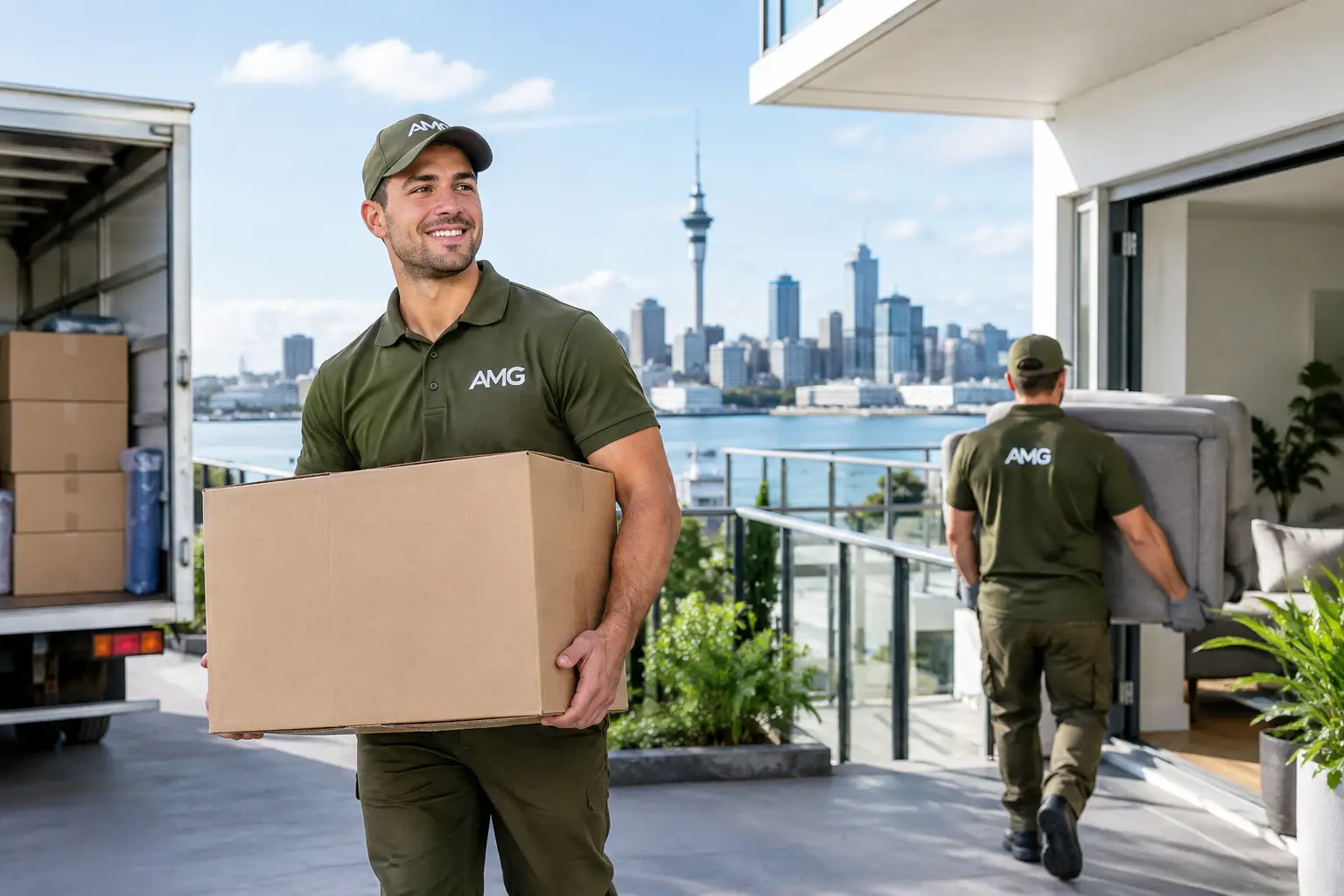
Auckland apartment moves are rarely difficult because of the distance between addresses. They become difficult when a truck arrives to find an unbooked lift, no loading space, a narrow corridor, or building rules nobody mentioned. This Auckland apartment moving guide focuses on the details that protect your furniture, your building bond, and the time you are paying for on moving day.
Start with the building, not the boxes
A house move usually begins at the driveway. An apartment move begins with the building manager, body corporate, or property manager. Contact them as soon as your moving date is confirmed and ask what is required for a removal truck to access the property.
Many Auckland apartment buildings have set moving hours, service-lift bookings, loading-bay rules and limits on where trolleys can travel. Some require a refundable bond for lift protection. Others need a certificate of insurance or advance notice of the moving company. These are not minor formalities. If access is refused on the day, the crew can be left waiting while the clock continues.
Confirm the practical details in writing: the booked lift time, the loading entrance, the height clearance for a truck, and a contact person who can assist if gates or doors are locked. If the building has a concierge or onsite manager, give them the moving company’s name and expected arrival window.
Questions worth asking before moving day
Ask whether the goods lift is large enough for sofas, mattresses and whiteware, or whether particular items must use stairs. Find out if the building supplies lift pads or expects the movers to fit protection. Check whether there is a time limit on loading-bay use and whether a parking permit is needed.
Also ask about awkward access. A lift may be booked, but that does not help if there are three tight corners between your front door and the lift lobby. Clear photos of the entrance, corridor, lift interior and loading area help a professional mover plan the right crew, truck and equipment.
Book lifts and parking with real time in mind
A two-hour lift booking can be enough for a lightly furnished one-bedroom apartment with direct loading access. It may not be enough for a family-sized apartment, a long carry from the loading dock, or a building with one small lift shared with other residents. Do not book the smallest window simply because it looks cheaper on paper.
Lift capacity affects every trip. A large service lift can take a trolley with several cartons, while a small passenger lift may require repeated hand carries. That difference adds up quickly. The same applies at the destination: an easy collection does not offset a difficult delivery to a fourth-floor apartment with limited parking.
Parking deserves the same attention. Auckland streets can be tight, busy and restricted, particularly around the CBD, Ponsonby, Newmarket and apartment-heavy suburbs. A furniture truck needs legal, workable space close to the loading entrance. Parking half a block away can turn a straightforward move into dozens of extra trips.
If a loading bay is unavailable, check whether a temporary parking arrangement is possible and who is responsible for organising it. Do not assume a truck can double-park safely or that hazard lights make an unsuitable stop acceptable. Experienced movers will tell you what vehicle access is needed, rather than arriving with a plan based on guesswork.
Pack for a vertical move
Apartment moving involves more handling than most people expect. Furniture may travel through a lobby, lift, hallway, loading dock and truck before it reaches the next address. Every extra transfer point is a reason to pack properly and keep cartons manageable.
Use strong, sealed boxes rather than overloaded shopping bags or loose tubs. Keep carton weights sensible, especially for books, records and kitchenware. Heavy boxes are slower to move, harder to stack safely and more likely to fail at the bottom when they are carried through a lift.
Label each carton with the room and a brief description, such as “Kitchen – glasses” or “Bedroom – linen”. At the new apartment, this stops every box landing in the living room while you try to direct traffic from the doorway. Mark fragile items clearly, but pack them properly as well. A handwritten label does not replace wrapping, firm cartons and secure packing.
Keep a separate essentials bag with keys, tenancy documents, medications, chargers, valuables, a change of clothes and basic cleaning supplies. It stays with you, not in the truck. On a long moving day, knowing exactly where those items are is worth more than you think.
Prepare furniture before the crew arrives
Empty drawers where possible, particularly from tallboys, filing cabinets and bedside tables. Remove loose shelves, glass panels and detachable legs if it is safe to do so. Take down wall-mounted televisions and disconnect appliances in advance unless you have arranged otherwise.
Measure large items against the lift and doorway dimensions before moving day. A sofa that fitted into your apartment may have arrived before a lobby renovation, through a different entrance, or via a balcony lift. If access is genuinely impossible, a specialised solution may be required. It depends on the item, height, access below and building approval, so raise the issue early rather than when the truck is waiting.
Protect common areas and your belongings
Apartment buildings have shared surfaces that need protecting: painted walls, lift interiors, tiles, glass doors and corridor corners. A responsible moving crew uses clean equipment, furniture blankets, straps and appropriate trolleys. The truck matters too. Purpose-built furniture trucks provide a safer working environment than an improvised vehicle with limited protection or tie-down points.
You can help by clearing the route before the movers arrive. Remove door mats, pot plants, bikes, shoes and anything stored in the hallway. Keep pets safely contained and ensure children are away from loading areas. A clear path prevents trips, speeds up the work and reduces the chance of damage to furniture or common property.
Take photos of any existing marks in shared spaces if your building manager has concerns about damage. This is not about creating conflict. It creates a fair record before the move begins and helps avoid arguments over old scuffs or chips.
Choose movers who will actually do the work
An apartment move is not the place to gamble on the lowest online figure. Cheap quotes can leave out the realities of stairs, distance carries, lift waits, parking, disassembly or large-item handling. More concerning are booking platforms and lead generators that sell the job onward to whoever is available. When something goes wrong, responsibility can become unclear very quickly.
Ask who will perform the move, whether the crew is trained and employed by the moving business, and what truck and equipment will be used. A professional operator should be comfortable discussing access, likely time factors and any items needing extra care. They should not promise a fixed outcome without asking basic questions about both properties.
For valuable or difficult items, be specific. Pianos, marble tables, safes, large artworks, spa pools and statues require proper assessment, suitable equipment and enough trained hands. They are not simply heavier versions of ordinary furniture. Trying to force them through an apartment building without a plan risks injury, property damage and a far larger bill than the original move.
Auckland Moving Guys Ltd. plans around access, handling requirements and the actual work involved, rather than treating every apartment job as a generic truck booking. That practical approach is what keeps a move controlled when lifts, loading docks and tight spaces are part of the job.
Make the handover efficient at both ends
Be ready when the crew arrives. Have keys, lift access cards and building contacts available. Confirm which items are going and which are staying, especially where furniture is being left for a landlord, flatmate or incoming tenant. Walk the crew through any fragile items and point out furniture that needs to be dismantled or reassembled.
At delivery, decide where the major pieces go before they come off the truck. Bed frames, sofas, dining tables and appliances should go directly into their final rooms where possible. Moving them twice wastes time and creates extra handling risk. If cartons are labelled, the rest of the unloading can proceed without constant questions.
Before the truck leaves, check that all rooms, storage cages, the lift and the truck have been cleared. Look over larger furniture for any issues while the crew is still present. Then return lift cards, remove rubbish from the loading area and tell the building manager the move is complete if required.
A well-run apartment move is built on preparation, not luck. Book the access, allow realistic time, pack for repeated handling and use movers who take accountability for the work. When the building logistics are handled properly, you can spend moving day settling into your new place instead of trying to solve preventable problems in a loading dock.


0 Comments