
Do Movers Disassemble Furniture?
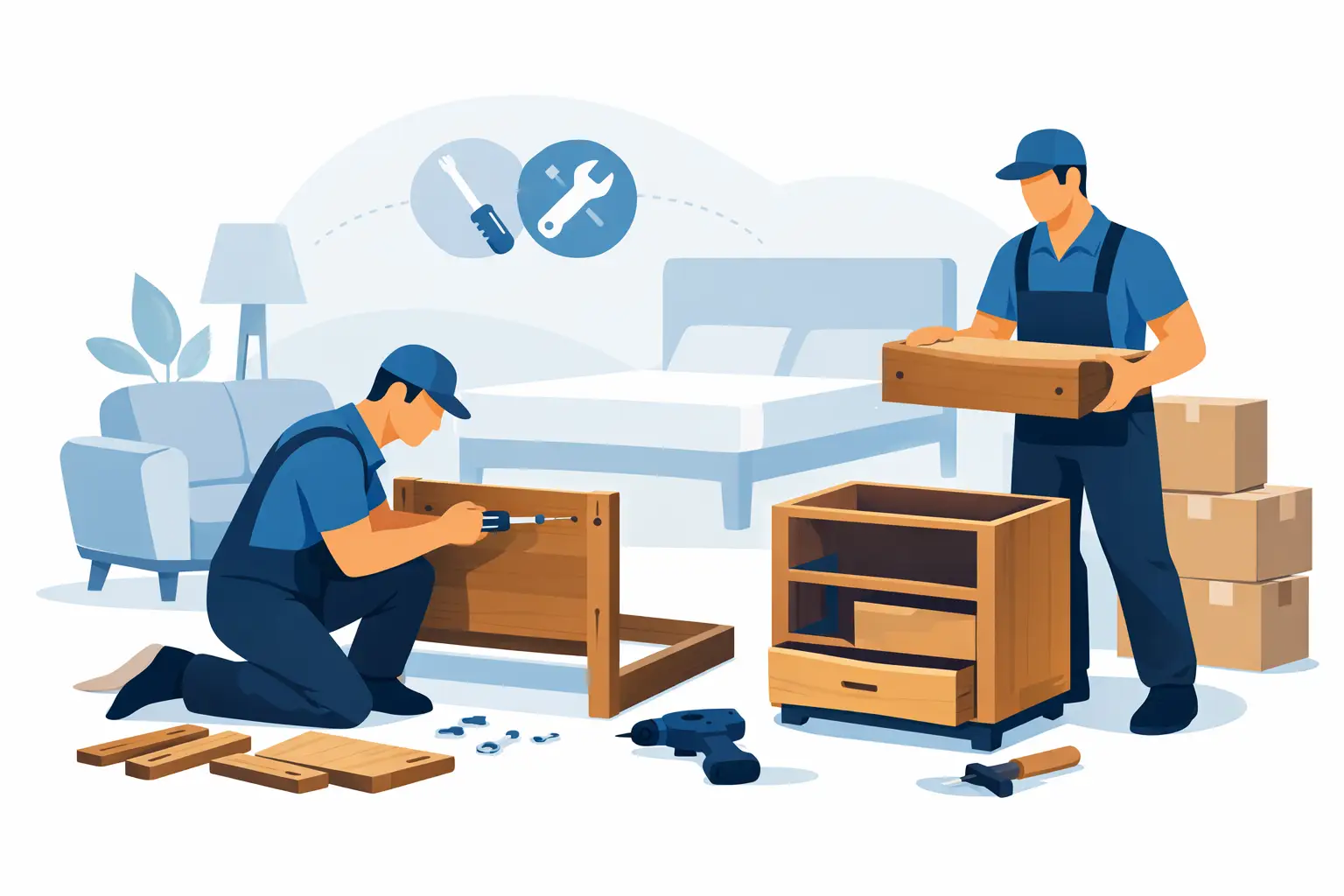
If you are staring at a bed frame, a bulky dining table, or an office desk and wondering, do movers disassemble furniture, the short answer is yes – many professional movers do. The better answer is that it depends on the item, the building access, the tools required, and whether the moving team has the training to do it properly without damaging the furniture or wasting your time.
That distinction matters. Plenty of people assume every moving company handles furniture disassembly as standard. Some do. Some only do basic items. Some will agree on the phone, then turn up without the right tools, the right crew, or the experience to reassemble things properly at the other end. That is where moves slow down, costs rise, and furniture gets scratched, stripped, or weakened.
Do movers disassemble furniture as part of a move?
Professional movers often disassemble furniture when it is necessary for safe handling and efficient transport. Common examples include bed frames, dining tables with removable legs, modular lounges, desks, shelving units, and some entertainment units. If an item will not safely fit through doorways, down stairwells, into lifts, or inside the truck without strain or damage, disassembly is usually the sensible option.
But not every piece should be taken apart. Some furniture is designed for repeated assembly and disassembly. Some is not. Flat-pack items, for example, can be unpredictable. They may come apart easily, but after one or two moves the fittings can loosen, chipboard can crumble, and cam locks can fail. In those cases, experienced movers weigh up the risk before putting a screwdriver anywhere near it.
The key point is this: disassembly should be a practical decision, not an automatic one. A trained moving team looks at access, weight, fragility, and transport protection first.
When furniture disassembly is usually necessary
The most common reason is access. A king bed base might fit in a bedroom just fine, but not through a narrow hallway corner. A boardroom table might be safe sitting in place, but impossible to move intact through a commercial lift. Large wardrobes, corner desks, and marble-topped furniture often need partial dismantling simply to get from A to B without risk.
The second reason is protection. Some items are structurally safer when reduced into manageable parts. Table legs removed and wrapped separately are less likely to snap. Glass sections packed independently are less likely to crack. Heavy pieces that can be lightened before carrying are easier on both the furniture and the movers.
The third reason is efficiency. That might sound backwards, because disassembly takes time. But forcing an oversized item through a tight space takes more time, more labour, and more risk. On hourly moves, poor handling decisions cost money quickly.
What movers will commonly take apart
A capable team will usually handle straightforward furniture disassembly such as beds, tables, desks, some couches, office workstations, and removable shelving. These are the bread-and-butter items of residential and commercial relocations, and they are often built in a way that allows safe dismantling and reassembly.
Bed frames are one of the most common. Slats, side rails, headboards and support beams often need separating to move efficiently. Dining tables are another. Removing legs can turn an awkward carry into a safe one. Office furniture also comes up regularly, especially in small business relocations where desk systems need to be broken down to clear access and fit into trucks without damage.
Then there are bulky specialty pieces. Not every mover should touch these. Items like marble tables, oversized custom cabinetry, gym equipment, or imported furniture with delicate fixings require more than enthusiasm. They require judgment and proper handling standards.
What professional movers may refuse to disassemble
This is where customers benefit from dealing with a real operator rather than a booking platform or a cheap crew saying yes to everything.
Some furniture should not be dismantled unless there is a clear plan and the right expertise. Antique pieces, custom joinery, damaged flat-pack furniture, wall-mounted units, and items with electrical components can all fall into the too-risky basket. If fittings are already loose, timber is split, or the item was never structurally sound to begin with, disassembly can make things worse.
Movers may also decline jobs involving fixtures rather than furniture. Built-in wardrobes, wall-fixed shelving, plumbed appliances, and permanently installed office fittings usually sit outside standard moving work. That is not a lack of service. It is proper scope control.
A professional team should tell you clearly what they will and will not handle before move day. Vague promises are a red flag.
Do movers disassemble furniture and put it back together?
Often, yes. If movers take an item apart for transport, they can usually reassemble it at delivery, provided that was included in the booked service and all fittings are available. For customers, that matters just as much as the dismantling itself. It is no use saving time on pickup if you are left with a pile of parts in the lounge room at the new place.
Reassembly also needs care. Screws overtightened into soft timber, misaligned bed rails, or missing fasteners can turn a solid piece into a wobble hazard. A disciplined crew keeps fittings together, labels parts where needed, and reassembles with function and stability in mind.
If you want furniture put back together, say so when booking. Do not assume it is included automatically, especially if the job includes multiple beds, office desks, or anything more involved than a quick leg removal.
Why this should be discussed before moving day
One of the biggest causes of wasted time on moving day is surprise furniture work. The truck arrives, access is tighter than expected, the wardrobe does not fit, and now everyone is hunting for Allen keys while the clock runs.
A proper pre-move discussion avoids that. Tell the mover which items may need disassembly. Mention stairs, lifts, narrow doorways, apartment access, awkward corners, and any oversized pieces. Send photos if asked. It helps the crew plan labour, truck space, wrapping materials, and time allocation.
This is especially important for intercity work or commercial moves. When furniture is travelling longer distances, it needs to be loaded with stability in mind. Well-planned disassembly can make transport safer and stacking more secure.
The risk of using untrained movers
Furniture disassembly sounds simple until someone strips a bolt, loses fittings, cracks a veneer panel, or lifts a table by the weakest point. That is the difference between labour and trained moving labour.
Untrained or careless operators often treat disassembly as just another task. In reality, it affects the pace, safety, and quality of the whole move. If they do not understand furniture construction, they can damage pieces before the truck even leaves. If they are sloppy with parts management, reassembly becomes guesswork. If they lack truck discipline, dismantled furniture can still be damaged in transit.
That is why experienced moving companies build systems around this work – correct tools, protective wrapping, sensible sequencing, and accountability from pickup to delivery. Auckland Moving Guys Ltd. works on that basis because protecting furniture is not just about carrying strength. It is about method.
How to prepare if your furniture may need dismantling
You do not need to pull everything apart yourself unless you have agreed to. In fact, half-done disassembly can slow the job down. What helps most is preparation that supports the moving crew.
Make sure furniture is emptied where relevant. Remove personal items from drawers, shelves, and desks. Keep any special instructions ready for unusual pieces. If there are spare fittings, keys, or manufacturer parts, place them somewhere obvious. And if an item has existing damage or a known weak point, say so before anyone handles it.
Clear access also matters. If movers need room to work on a bed frame or table, a cluttered room makes the job harder and increases the chance of accidental knocks.
The real answer: yes, but competence matters
So, do movers disassemble furniture? Yes, professional movers often do, and in many moves it is part of doing the job properly. But the real question is whether the team has the experience to decide what should be taken apart, what should stay intact, and how to handle both options without creating extra cost or damage.
That is what customers should be paying attention to. Not just whether a mover says yes, but whether they can back that up with training, equipment, and a clear process. If your furniture matters, the standard of the crew matters just as much.
Before you book, ask the direct question, describe the items properly, and expect a direct answer back. That simple conversation can save hours on moving day and spare your furniture from the kind of rough treatment that cheap operators call normal.


3 Comments
How to Relocate a Small Office Properly - Auckland Moving Guys Ltd · July 4, 2026 at 3:15 am
[…] units and cartons are actually going? Which items are being replaced, archived or thrown out? What needs disassembly? What is fragile? What cannot go in a shared pile because it belongs to a specific team […]
Are Movers Responsible for Damage? - Auckland Moving Guys Ltd · July 10, 2026 at 3:42 am
[…] from the outside. The same applies to flat-pack furniture, older chipboard pieces, or items with loose joints that are already vulnerable before anyone touches them. Some furniture is simply not built to […]
In House Movers vs Subcontractors: Who Handles Your Move? - Auckland Moving Guys Ltd · August 19, 2026 at 4:03 am
[…] They need to know when a two-person carry is sensible, when extra labour is required, and when an item should be dismantled rather than forced through a doorway. Those decisions come from training and repeat experience, not […]