
Are Movers Responsible for Damage?
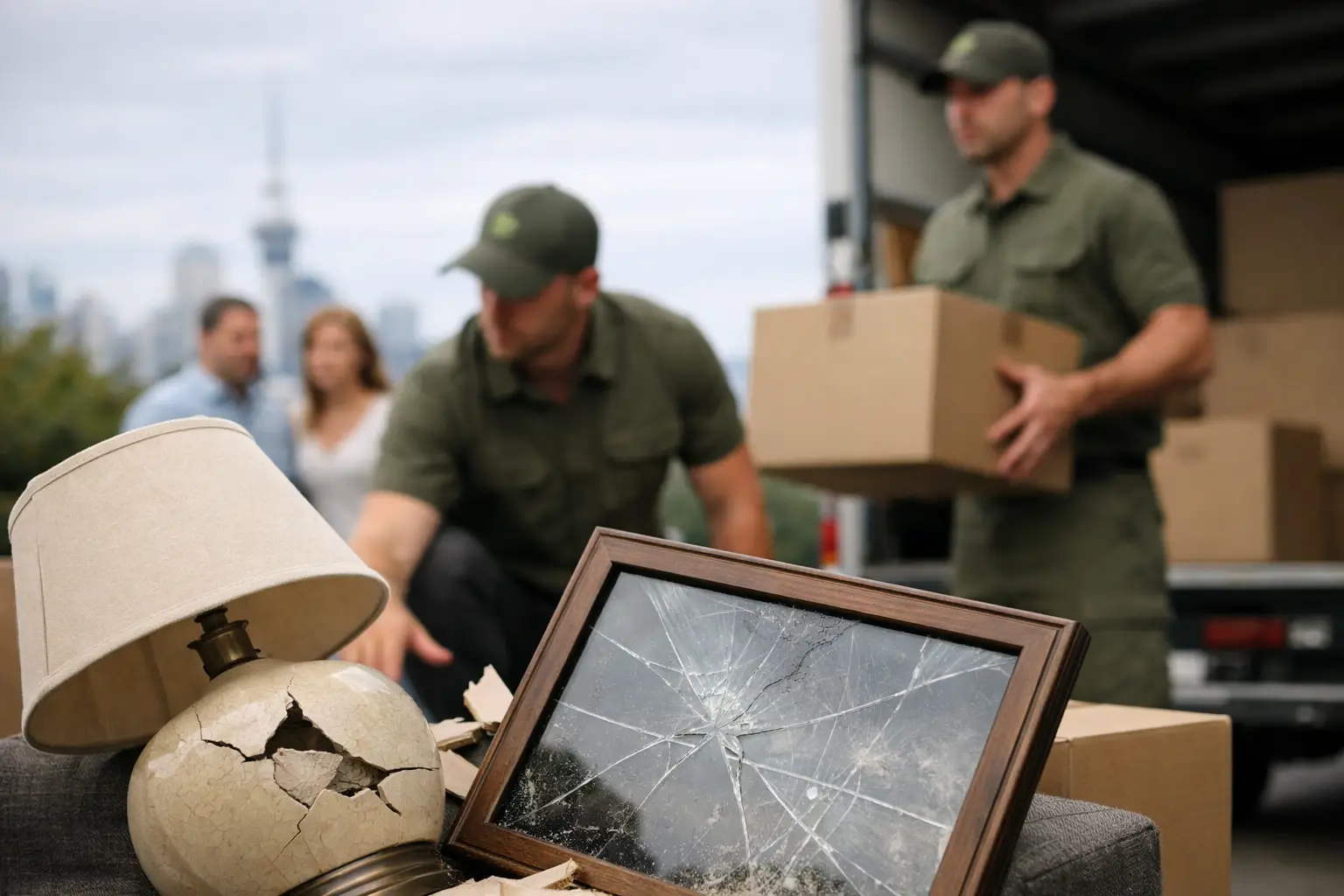
A scratched dining table, a cracked TV screen, a gouge in the fridge door – this is the moment people start asking, are movers responsible for damage? The short answer is yes, sometimes. The honest answer is that responsibility depends on how the damage happened, what was agreed before the move, how the item was packed, and whether the company handling your move is a real professional operator or just a booking middleman.
That distinction matters more than most people realise. In the moving industry, not every business taking your money is the one lifting your furniture, loading the truck, or dealing with problems when something goes wrong. If you want clear accountability, you need to know who is actually doing the work and what responsibility they are prepared to stand behind.
When are movers responsible for damage?
Movers are generally responsible for damage when it results from their negligence, poor handling, unsuitable equipment, or careless loading and transport. If a removalist drops a washing machine, drags a timber cabinet without protection, stacks heavy items onto fragile boxes, or sends a dirty, badly set up truck with no proper restraints, that is not bad luck. That is poor practice.
Professional movers are expected to use reasonable care. That includes turning up with the right truck, proper moving blankets, tie rails, straps, trolleys, and trained staff who know how to handle furniture safely. It also includes basic judgement on site – protecting floors, wrapping vulnerable items, securing loads correctly, and not rushing the job in ways that create avoidable risk.
Where customers get caught out is assuming every damage claim is automatic. It is not. A mover is not necessarily responsible just because an item was damaged during a move. The real question is whether the damage was caused by the mover’s actions, whether there were pre-existing weaknesses, and whether the customer accepted any limits around packing, access, or item condition.
When movers may not be liable
This is where the fine print and the actual moving conditions matter. There are situations where a removalist may reasonably reject responsibility.
If you packed the boxes yourself and fragile items inside were not wrapped properly, the mover may not be liable for internal damage if the carton looked sound from the outside. The same applies to flat-pack furniture, older chipboard pieces, or items with loose joints that are already vulnerable before anyone touches them. Some furniture is simply not built to survive multiple moves, especially if it has been assembled and disassembled several times.
Access issues can also affect liability. If you insist that a large fridge be taken through a tight doorway after being told the clearance is poor, the risk changes. The same goes for oversized lounges, marble tops, glass cabinets, and gym equipment in awkward stairwells. A professional mover should warn you about the risk, but if you instruct the crew to proceed anyway, responsibility may not sit entirely with them.
Weather, site conditions, and customer decisions can also play a part. If a move goes ahead in heavy rain and non-waterproof items are left exposed because the client wants the truck loaded fast without extra wrapping, that matters. Liability is rarely black and white when the customer has made choices that increase the risk.
The difference between negligence and unavoidable risk
Good moving companies know the difference. So should customers.
Negligence is avoidable. It is the crew that fails to strap a load, uses the wrong trolley, skips padding, or sends staff who have no business handling heavy furniture. Unavoidable risk is different. Some items are inherently delicate, some access points are extremely tight, and some older furniture can fail even when handled carefully.
That is why experienced movers inspect, ask questions, and explain risks before the truck is loaded. They do not just say yes to everything to win the job. Straight answers protect both sides.
If a company promises the world with no discussion of packing standards, item condition, access constraints, or special handling needs, that is usually not confidence. It is often inexperience or salesmanship.
Are movers responsible for damage if they packed the items?
In many cases, yes – especially if the company supplied the packing service and the damage points to poor packing or poor transport handling. When movers pack an item themselves, they have much less room to argue that someone else caused the problem.
That is one reason full-service moving is often safer than a mixed arrangement where the customer packs part of the house and expects the removalists to carry the risk for all of it. Professional packing is not just about boxes. It is about choosing the right materials, using enough protection, and packing cartons so they can be stacked and transported properly.
Fragile items, artwork, mirrors, electronics, stone tops, and antiques all need more than a quick wrap and a hope for the best. If a mover offers packing, they should know how to protect what they touch. If they do not, they should not be selling the service.
What to check before you book
If you want to avoid the usual run-around after damage, ask the hard questions before moving day. Who is actually performing the move? Are the staff in-house or subcontracted? What protection is used on furniture and in the truck? What are the damage claim terms? What limits apply to owner-packed items and fragile goods? Is the business properly licensed and operating real moving trucks, or just farming jobs out?
This is where reputable operators separate themselves from lead-generation businesses and bargain operators. A proper moving company has systems, standards, trained crews, and equipment that match the job. They also know that preventing damage is cheaper and better for everyone than arguing over it afterwards.
Auckland Moving Guys Ltd. works on that principle. Real accountability starts with the crew, the truck, and the handling standards on the day – not a polished quote followed by excuses.
What to do if damage happens
Do not leave it vague. Raise the issue as soon as you spot it. Take clear photos, note the item, and record when and where the damage was noticed. If possible, mention it before the crew leaves site. The longer a claim sits, the easier it becomes for a poor operator to dispute what happened.
Stay factual. You do not need a dramatic argument. You need a clear record. Describe the item, the type of damage, and why you believe it occurred during the move. If there was visible mishandling, note that as well.
At the same time, be realistic. Not every mark on second-hand furniture was caused on the day. Good operators will usually assess claims fairly, but they are also entitled to question damage that appears old, unrelated, or inconsistent with the move.
Why the cheapest quote can be the most expensive one
A low quote often cuts corners somewhere. Sometimes it is in labour quality. Sometimes it is in truck setup, protective materials, or time allowed for the job. Sometimes it is in responsibility itself, with vague terms that leave the customer carrying most of the risk.
That is the trade-off people discover too late. Fast and cheap can work for rubbish runs and basic deliveries. It is a poor strategy for moving a family home, office fit-out, or heavy specialty item. If the crew is untrained, the truck is not purpose-built, or the operator has no real process for damage prevention, you are saving money in the wrong place.
The practical answer customers need
So, are movers responsible for damage? Yes, when the damage is caused by careless handling, poor packing, bad loading, unsuitable equipment, or avoidable mistakes. No, not in every situation, especially where items were owner-packed, already compromised, or moved against clear risk warnings.
The smarter question is not just who pays after something goes wrong. It is who has the training, equipment, and discipline to stop damage happening in the first place.
If you are comparing movers, look past the quote total. Ask who is accountable, how they protect furniture, and what happens if there is a problem. A professional answer is usually easy to recognise. So is a slippery one.
When you are trusting strangers with your furniture, appliances, business assets, or the piano that has survived three houses and two generations, clear responsibility is not a bonus. It is part of the job.


0 Comments