
How to Pack Fragile Furniture for Moving
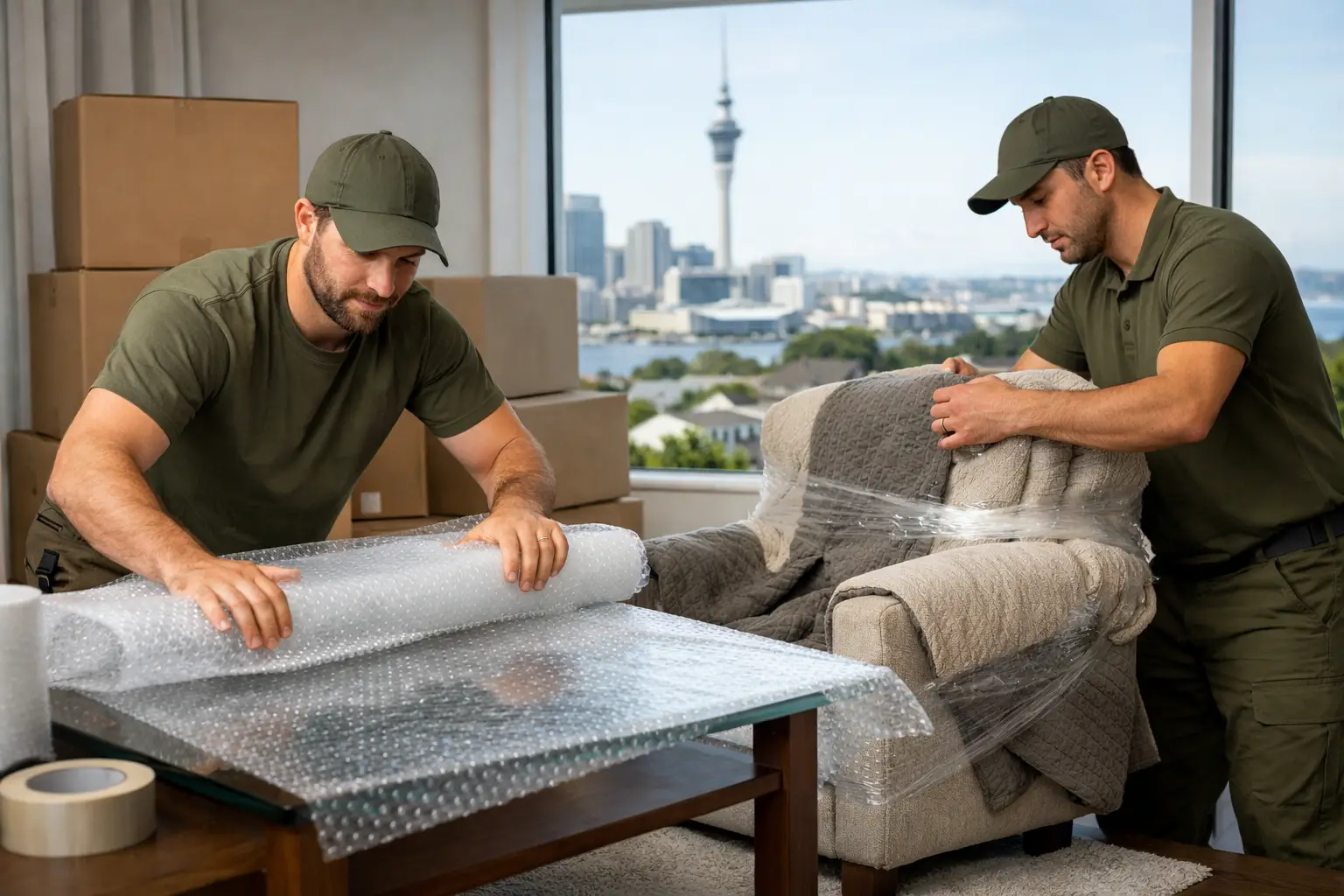
A chipped marble top, cracked mirror or dented timber cabinet is rarely caused by one dramatic mistake. More often, damage happens because an item was wrapped too lightly, loaded in the wrong position or allowed to move inside the truck. Knowing how to pack fragile furniture properly means protecting it from knocks, vibration, pressure and shifting from the moment it leaves the room to the moment it is placed in the new one.
Fragile furniture needs more than a roll of bubble wrap and good intentions. The right approach depends on the item’s material, weight, shape and weak points. A glass cabinet, antique sideboard and upholstered armchair may all be delicate, but they need different handling and packing methods.
How to pack fragile furniture before moving day
Start by inspecting each piece while it is still in place. Look for loose legs, existing scratches, cracked joints, protruding handles, glass panels and stone surfaces. Take clear photos of valuable or already-marked furniture before packing. This is sensible record keeping, particularly for antiques, heirlooms and pieces being transported to storage.
Work out what can safely be dismantled. Removing legs from a dining table, shelves from a cabinet or cushions from a sofa can reduce the chance of damage and make the item easier to carry through tight hallways. Do not dismantle furniture simply because it can be done. Some older pieces rely on their assembled structure for strength, and repeated removal of bolts or screws can damage worn threads or timber joints.
Keep all fixings from one item together in a labelled bag, then tape that bag securely to the underside of the relevant furniture or place it in a clearly marked essentials box. Never leave loose screws in drawers, where they can scratch internal surfaces or disappear during unloading.
Before wrapping, empty drawers and cabinets wherever possible. A light bedside table may be safe to move with soft linen inside, but a heavy chest of drawers packed with books creates extra strain on the frame, runners and handles. It also makes the item harder and less safe to carry.
Use materials that protect, not just cover
The best packing materials create a protective barrier and keep furniture stable. Thin household blankets, old sheets and loose cardboard are not enough for valuable or breakable pieces. They may hide the surface, but they do little against a sharp corner impact or the weight of another item.
For most fragile furniture, use purpose-made moving blankets as the main protective layer. Add bubble wrap, corrugated cardboard or foam where an item has vulnerable edges, glass, stone, carved details or polished surfaces. Strong packing tape should secure the outer wrap, but it should never touch timber, leather, lacquer, veneer or fabric directly.
Useful materials include:
- clean moving blankets or padded furniture pads
- bubble wrap for corners, handles, glass and delicate detailing
- corrugated cardboard sheets for flat faces and table tops
- foam edge protectors or cardboard corner guards
- stretch wrap to hold blankets in place
- strong cartons for removable glass shelves and hardware
Clean materials matter. Dirt, grit or moisture trapped under a blanket can mark upholstery and scratch high-gloss finishes. This is one reason professional movers use clean, purpose-built equipment rather than whatever happens to be in the garage.
Wrap each type of furniture for its weak points
Timber tables, cabinets and drawers
For timber furniture, protect corners first. They take the most punishment when an item is carried around door frames, stairwells and truck ramps. Cover sharp corners with cardboard or foam, then place moving blankets over the full piece. Pull the blankets snugly around the furniture and secure them with stretch wrap or tape applied only to the blanket.
Table tops need special attention. If the top is removable, take it off only if it can be reassembled without risk. Wrap it flat with cardboard across both faces, padding around the edges and blankets over the outside. Keep it upright during transport where practical, rather than laying it beneath other furniture. A flat top under load can flex, crack or suffer pressure marks.
For drawers, remove loose handles if they protrude significantly. If drawers remain in the unit, secure them shut with stretch wrap around the entire piece. Do not tape drawers directly to the furniture finish.
Glass, mirrors and display cabinets
Glass should be removed from furniture whenever it is designed to come out safely. Wrap each shelf or panel individually, using a layer of paper or foam against the surface, then bubble wrap and a sturdy cardboard outer layer. Pack glass upright in a suitably sized carton, with no empty space for panels to knock together.
For attached glass doors, mirrors or display panels, use a taped cardboard cross over the protected glass surface, then wrap the whole item in moving blankets. The cross does not make the glass unbreakable. It helps contain pieces if breakage occurs and signals to handlers that the surface needs care.
Never stack heavy items against a glass-fronted cabinet. Even well-wrapped glass can fail when the frame twists under pressure.
Marble, stone and heavy specialty furniture
Marble, engineered stone and concrete furniture are heavy but not indestructible. Their weight increases the risk because a small knock at an unsupported edge can chip or crack the surface. Remove stone tops from bases where the design allows and where enough trained people are available to lift them safely.
Wrap stone with edge protection, cardboard and thick moving blankets. Keep the piece upright and supported along its strongest points. Do not rely on one person at each end of a heavy top, and do not place it on a hard floor without padding underneath. A trolley, straps and a controlled lift are safer than trying to save time with an awkward carry.
The same applies to delicate heavy items such as statues, large mirrors, pianos and safes. These are not ordinary furniture moves. Their weight, balance and access requirements should be assessed before moving day, not discovered halfway down the stairs.
Upholstered furniture
Sofas, armchairs and fabric bedheads are vulnerable to dirt, moisture, snags and compression. Begin with a clean moving blanket over exposed timber legs or arms, then cover the upholstery with a breathable protective layer and stretch wrap where appropriate. Avoid wrapping damp furniture tightly, especially if it may be stored for more than a short period.
For leather furniture, do not apply plastic or tape directly to the surface. Leather can mark, stick or trap moisture. Padded blankets with a clean inner layer provide better protection.
Loading matters as much as wrapping
A properly wrapped item can still be damaged in a poorly loaded truck. Fragile furniture should be loaded upright where its structure requires it, secured against movement and separated from hard-edged items. Blankets are not only for wrapping. They can also be used between pieces to prevent rubbing during transport.
Place heavier, stable furniture first, but never use it to pin fragile pieces under pressure. Secure tall cabinets to the truck using appropriate restraints so they cannot tip or slide. Keep glass, mirrors, stone tops and delicate tables away from areas where they can be crushed by shifting loads.
There is a balance to strike. Packing a truck tightly reduces movement, but overpacking can put damaging pressure on furniture. Experienced movers build a load in sections, use straps and padding, and check that each item is stable before the truck moves. A clean, purpose-built furniture truck with proper tie rails and moving equipment makes a real difference here.
When professional packing is the sensible option
DIY packing can work well for straightforward furniture when you have quality materials, enough time and safe access. It becomes less sensible when an item is oversized, unusually heavy, valuable, difficult to dismantle or has to travel through narrow stairs and tight corners.
Professional packing and moving crews bring more than extra hands. Trained movers understand how weight transfers during a lift, where furniture is likely to flex, and how to load a truck without creating costly pressure points. Auckland Moving Guys uses trained in-house movers and fit-for-purpose furniture trucks because fragile items need accountable handling from collection to delivery.
Give yourself time to pack properly rather than wrapping furniture at the last minute while the truck is waiting. Careful preparation protects the pieces you value and helps the moving day run faster, safer and with fewer unpleasant surprises.


0 Comments