
The Best Way to Move Offices Without Downtime
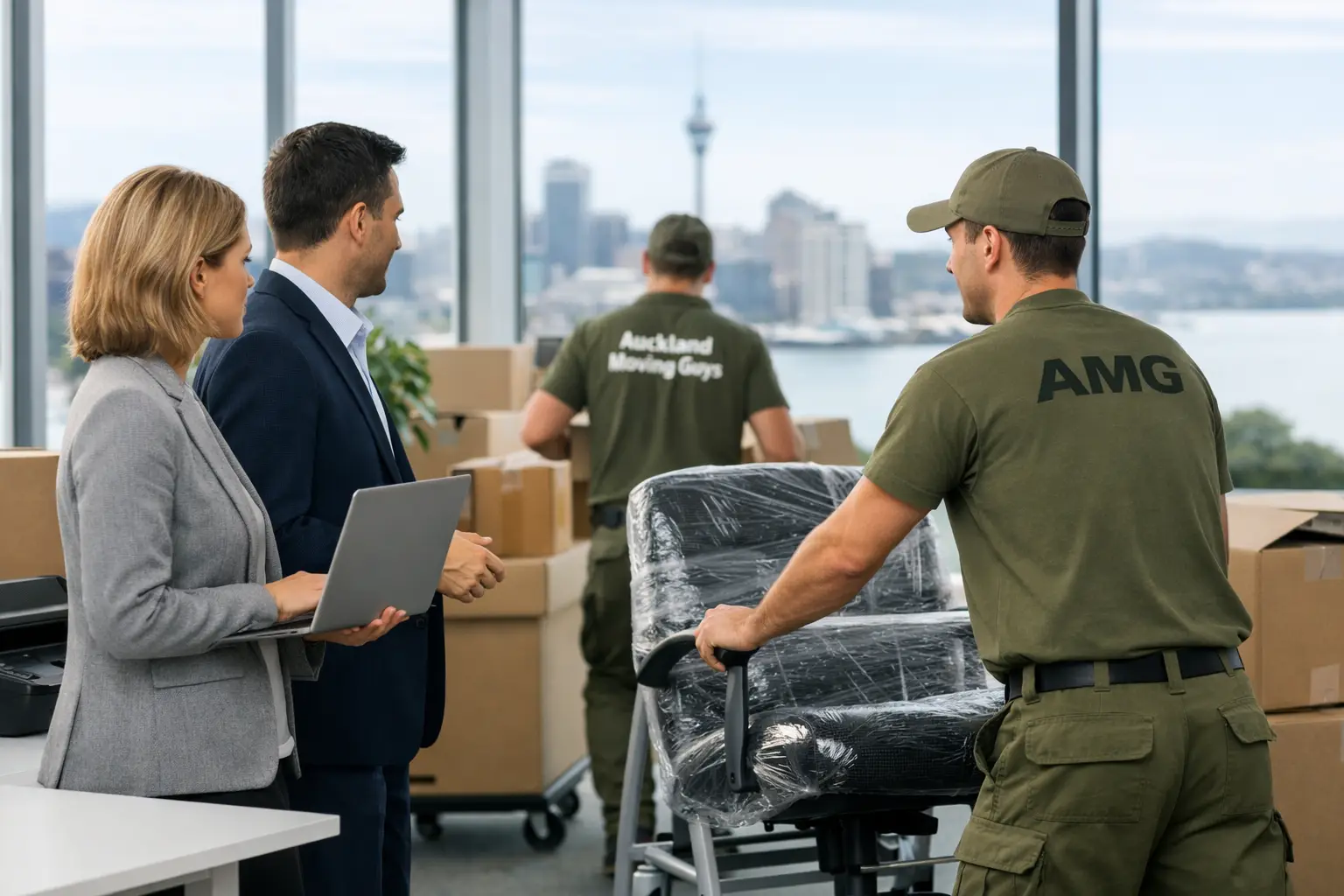
An office move can go wrong before the first desk is lifted. A loading zone that was never booked, a lift that is too small for workstations, or a truck that arrives without proper protection can turn one planned weekend into days of disruption. The best way to move offices is to treat it as an operational project, not a large furniture delivery.
That means planning the site access, the people, the equipment, the IT handover and the physical move as one job. When those parts are coordinated, staff can leave one workplace on Friday and return to a functioning office on Monday. When they are not, the business pays for lost hours, frustrated staff and damaged equipment.
Start with a realistic moving plan
The right plan begins with a site visit or a detailed discussion with the company doing the work. A mover needs more than the new address and a rough desk count. They need to understand where the truck can park, whether there are stairs or service lifts, the distance from truck to door, building booking rules and any time limits on loading.
Measure the larger items as well. Boardroom tables, reception counters, filing cabinets, compactus units and oversized screens often create the real access problems. A desk may look straightforward until it must turn through a narrow doorway or travel down a lift shared with other tenants.
The person arranging the move should also nominate one decision-maker from the business. Movers need somebody who can confirm what stays, what goes, where each item belongs and how to handle a last-minute issue. If every question is sent through three people, time disappears quickly on an hourly move.
Build the programme around business continuity
For many small and mid-sized businesses, a Friday afternoon pack-down followed by a weekend relocation is the practical choice. It gives IT staff time to disconnect and reconnect systems, while reducing disruption to customer-facing work. That is not always the cheapest option, because weekend access or building management requirements can add cost, but it is often less expensive than losing a full trading day.
A smaller office with flexible staff may be able to move in stages during normal hours. Larger offices usually benefit from a firm cutover date and a clear sequence: pack non-essential items first, move shared areas and furniture next, then complete critical workstations, servers and communications equipment under the direction of the appropriate technicians.
Do not ask furniture movers to make IT decisions. Professional movers can transport packed and prepared equipment safely, but your IT provider should manage backups, shutdowns, cable labelling, reconnection and testing. Clear boundaries prevent blame and protect essential business systems.
The best way to move offices is to reduce handling
Every unnecessary touch increases the chance of damage and adds labour time. The goal is not simply to get everything onto a truck. It is to make each item easy to identify, protect and place correctly at the destination.
Use a location-based labelling system. Each workstation, chair, box and loose component should show its destination, such as Level 3, Marketing, Desk 14. A colour-coded floor plan at the new office gives the moving crew a practical map. This avoids the costly second stage where staff spend half a day dragging furniture from the wrong room to the right one.
Before packing starts, separate items into four groups:
- furniture and equipment moving to the new office;
- documents and stock requiring secure handling;
- items going to storage, recycling or disposal; and
- furniture that belongs to the landlord or is staying behind.
This may sound basic, but it prevents the familiar problem of paying to move unwanted cupboards twice. It also gives the office manager an accurate scope for quoting, rather than relying on guesswork.
For confidential files, client records and sensitive devices, use sealed, clearly controlled cartons or crates. Do not mix them with general kitchen supplies and stationery. If a business has regulatory or privacy obligations, its internal team should retain custody records and decide who is authorised to access those items.
Choose movers who are accountable for the work
Office relocation is not a job to hand to whoever offered the lowest figure online. The cheapest quote can become the most expensive move if the crew is inexperienced, the truck is unsuitable, or the booking business simply passes the job to an unknown subcontractor.
Ask who will actually perform the move. Are they trained in-house movers? Are they operating properly licensed furniture trucks? Do they have clean, purpose-built vehicles, moving blankets, trolleys, straps and tools for dismantling and reassembly? Can they handle awkward pieces such as heavy safes, stone tables or large boardroom furniture if your office has them?
A direct moving company can answer those questions clearly because it controls the people and equipment on the day. That accountability matters when furniture is being carried through shared building areas, when a lift booking is running out, or when an expensive item needs careful handling.
At Auckland Moving Guys, the focus is on practical preparation and trained crews rather than vague promises. For an office relocation, that means matching the truck, crew size and equipment to the actual access and inventory, not hoping a general freight setup will be enough.
Understand what your quote includes
A good quote should make the scope understandable. It should identify the expected crew and truck, estimated timing, travel arrangements, packing if required, access restrictions and any special-item requirements. If the move is charged by the hour, ask what can increase the time: long carries, stairs, lift waits, incomplete packing, parking restrictions or additional collection points.
This is not about trying to eliminate every variable. Some variables cannot be controlled, particularly building access and traffic. It is about making the likely risks visible before moving day, so there are no surprises when the clock is running.
Be wary of a price that is dramatically lower than comparable professional quotes. It may exclude travel, use an undersized crew, rely on untrained labour, or leave responsibility unclear if something is damaged. Value for money comes from an efficient, properly equipped move, not from cutting the preparation that keeps the work moving.
Prepare both offices before the truck arrives
The old office needs clear pathways, packed loose items and identified furniture. The new office needs more than an unlocked door. Confirm lift access, loading instructions, keys or swipe cards, parking arrangements, protection requirements for walls and floors, and the location of each team or department.
Make sure the new space is ready to receive furniture. If painting, electrical work, cabling or cleaning is still underway, the move can stall while trades work around the crew. In some cases, it is better to delay furniture placement by a few hours than to risk damage or pay movers to wait. That decision depends on the cost of delay versus the cost of downtime, but it should be made before the crew is on site.
Assign a staff member to inspect each area as it is unloaded. They do not need to direct every lift, but they should confirm that desks are in the right zones, boardroom furniture is complete and nothing has been left in the truck. At the old premises, conduct a final room-by-room check for chargers, keys, files, artwork and items stored above cupboards or inside drawers.
Keep the first day in the new office simple
A fully styled office can wait. On the first working day, staff need safe access, working internet and phones, functional workstations, essential files, kitchen basics and clear instructions about any remaining setup. Prioritise those items over decorative pieces or low-use storage.
Leave a small contingency window after the move if possible. A missing power board, a desk placed on the wrong wall or an unexpected cable issue is easier to fix when the business has allowed time for it. The strongest office moves are not the ones that pretend nothing can change. They are the ones that have enough preparation and authority on site to deal with small changes quickly.
When your office is ready to move, choose a crew that treats your time, premises and equipment as business assets. A well-run relocation is not memorable because of dramatic heroics. It is memorable because staff walk into the new office, get to work, and the move is already behind them.




0 Comments