
Why Trained Furniture Movers Save Your Move
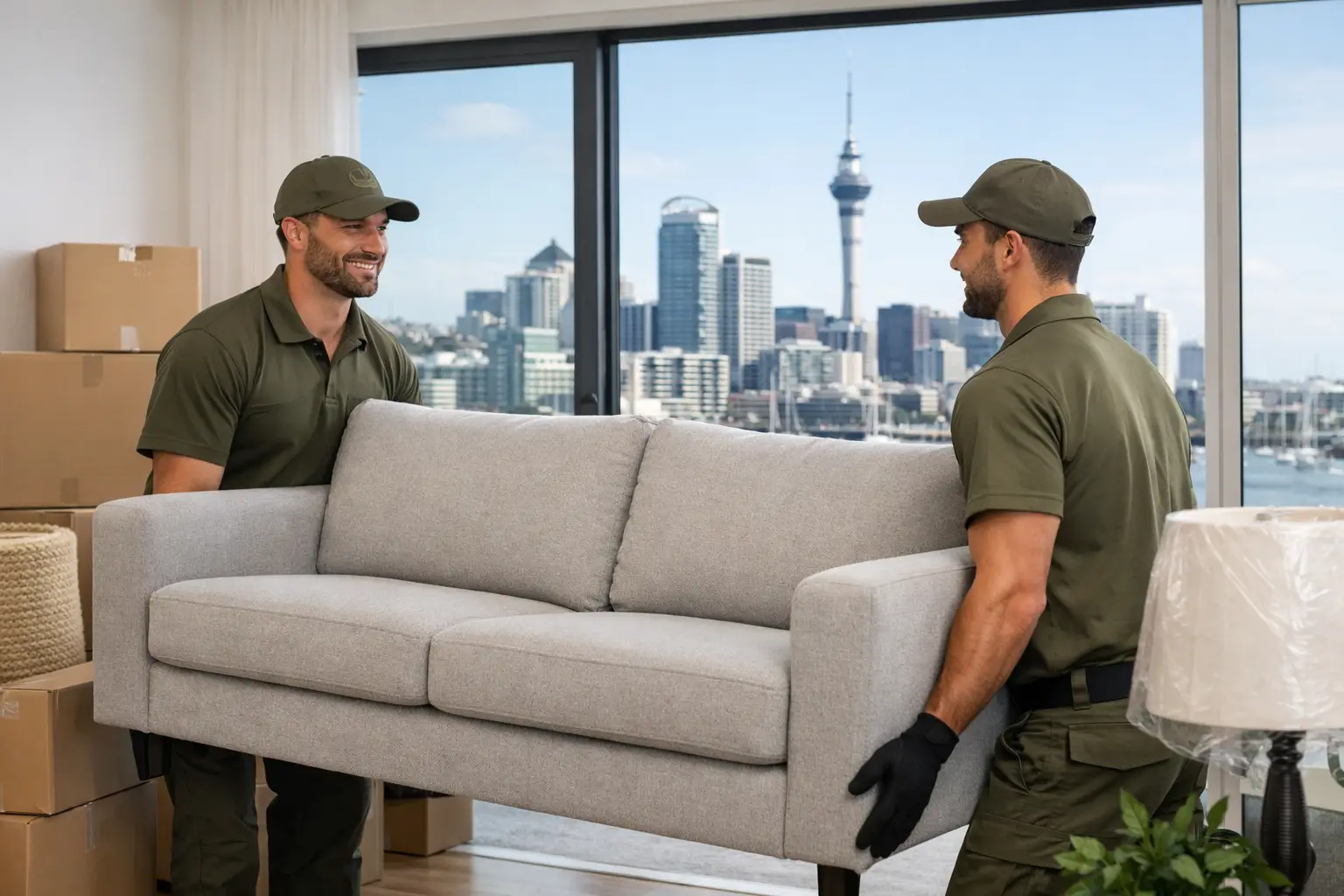
A sofa that will not clear a stairwell, a marble table with a fragile base, or a fridge that has to come through a narrow hallway can change the whole pace of a move. This is where trained furniture movers earn their keep. They do not simply provide extra hands. They assess the job, protect the item, manage the access and load the truck in a way that keeps your possessions secure and the moving day moving.
Cheap help can look attractive when you are comparing hourly rates. But an inexperienced crew that takes twice as long, damages a dining table or arrives with the wrong vehicle is not good value. Moving is physical work, but professional moving is also planning, judgement and accountability.
What Trained Furniture Movers Actually Do
Proper mover training starts before anyone lifts a box. A capable crew reads the property layout, identifies awkward items and works out the safest sequence for loading. They consider stairs, lifts, tight corners, driveway access, parking restrictions and how far items need to travel from the door to the truck.
That planning matters because furniture rarely behaves as it does in a showroom. A modular lounge may need to be separated. A king bed may need dismantling. A solid timber cabinet may be heavy enough to require additional hands and a carefully chosen route. The right approach avoids rushed decisions halfway through the job.
Trained movers also understand how different materials need to be handled. Timber dents, glass chips, leather scuffs, and stone can crack when it is twisted or poorly supported. Protective wrapping, furniture blankets, mattress covers, ties and load restraints are not optional extras when valuable belongings are involved. They are part of doing the job properly.
There is also a difference between lifting strength and lifting technique. Experienced crews work as a team, communicate clearly and use the correct equipment rather than forcing an item through an unsuitable space. This reduces the risk of injury, property damage and expensive delays.
Why Training Matters on Moving Day
A moving truck can only be loaded once safely. The heaviest and most stable items need to sit in the right positions, with fragile pieces protected and the load restrained for transport. If a truck is packed badly, items can shift under braking or around corners, even on a short local move.
A trained crew knows how to build a secure load. They use the vehicle space efficiently without stacking weight where it does not belong. They also keep essential items accessible when needed, rather than burying them under the last load of boxes.
This level of care has a direct effect on cost. Hourly moves are not only about the rate on the quote. Time is lost when movers repeatedly rearrange the truck, struggle with an oversized item, search for basic gear or make unnecessary trips from the house to the vehicle. Well-organised movers work steadily and safely, which is what protects the value of your moving budget.
Training is especially important when access is difficult. Inner-city apartments, steep driveways, older homes with tight hallways and office buildings with lift bookings all require coordination. A crew that turns up without a plan can leave you paying while they work out problems that should have been identified beforehand.
Trained Furniture Movers for Heavy and Specialty Items
Some items should never be treated as ordinary furniture. Pianos, safes, spa pools, statues, large commercial cabinets and marble tables have specific handling requirements. Their weight is often uneven, their surfaces can be vulnerable, and the consequences of a poor lift can be serious.
For these jobs, trained furniture movers assess the item itself as well as the route. They may need specialist dollies, lifting straps, ramps, extra personnel or a different truck configuration. In some cases, access needs to be checked before the moving day so there are no surprises at the gate, stairwell or loading area.
The trade-off is simple: a specialist move may cost more than a standard furniture removal, because it requires more equipment, more labour and more time. That cost is usually far more sensible than risking an injury, damage to the item or damage to your home or business premises.
The same thinking applies to office relocations. Desks, filing cabinets, boardroom tables, IT equipment and stock need to be moved in an order that supports a quick restart at the new premises. An unstructured office move can leave staff unable to work for longer than necessary. An experienced crew helps keep the relocation controlled from collection through to placement.
The Truck and Equipment Are Part of the Service
A clean, purpose-built furniture truck is not a cosmetic detail. It provides the space, tie rails, ramps and protection required to transport household or commercial goods securely. A vehicle that is too small creates extra trips. A vehicle without suitable restraints exposes furniture to movement and damage. A dirty or poorly maintained truck sends the wrong message before the first item is loaded.
Professional crews arrive with the practical gear needed for the work: moving blankets, straps, trolleys, dollies, tools for basic disassembly and appropriate protective materials. The exact equipment depends on the move, which is why an honest mover asks useful questions before quoting.
Be cautious if a provider gives a firm price without asking about stairs, heavy items, access, volume or the distance from your door to the truck. No two moves are identical. Clear questions lead to a more realistic plan and fewer unwelcome changes on the day.
Accountability Is Not Something to Assume
Many customers only discover the difference between a direct moving company and a booking middleman when a problem occurs. A lead-generation platform may take the enquiry, pass it on and leave you dealing with whoever accepts the job. That can create a gap between the person who made the promise and the crew handling your furniture.
Direct accountability matters. You should know who is performing the move, whether they are trained in-house staff or casual labour, and who is responsible if something goes wrong. A professional operator stands behind its people, equipment and process.
At Auckland Moving Guys, this means using trained movers, fit-for-purpose furniture trucks and practical systems built around real relocation work. The focus is not on selling the lowest headline rate. It is on carrying out the move efficiently, safely and with respect for the belongings you have worked hard to own.
How to Prepare So Your Movers Can Work Efficiently
Professional movers can handle the heavy work, but a little preparation from the customer can save considerable time. Pack loose items before the crew arrives where possible, label boxes clearly and separate anything that is not going with the move. Make sure keys, remotes, important documents, medication and chargers travel with you rather than in the truck.
Tell the moving company about access issues early. Mention flights of stairs, a long carry, low driveways, lift requirements, restricted parking, large plants, heavy gym gear or anything unusually fragile. If the truck needs space outside, arrange parking permission where required and keep the access clear.
It also helps to decide where large furniture will go at the new address. Movers can place items in nominated rooms, but they cannot make that decision for you while carrying a heavy wardrobe through the front door. A quick room plan avoids unnecessary shifting later.
Questions Worth Asking Before You Book
Ask whether the people handling your belongings are trained movers and whether the company performs the work itself. Ask what truck and protective equipment will be used, especially if you have a large home, office furniture or specialty items. Confirm how access, parking, stairs and difficult items have been allowed for in the quote.
You should also ask about timing and communication. A dependable mover gives you a clear arrival window, explains what is included and tells you what information they still need. Straight answers are a good sign. Vague promises are not.
Your move does not need to be stressful because it involves heavy furniture and a tight schedule. Choose people who treat every lift, wrap, route and truck load as part of a professional job. The right crew gives you a better chance of arriving with your belongings protected, your costs under control and your new space ready to settle into.


0 Comments