
Renovation Furniture Moving Without the Damage
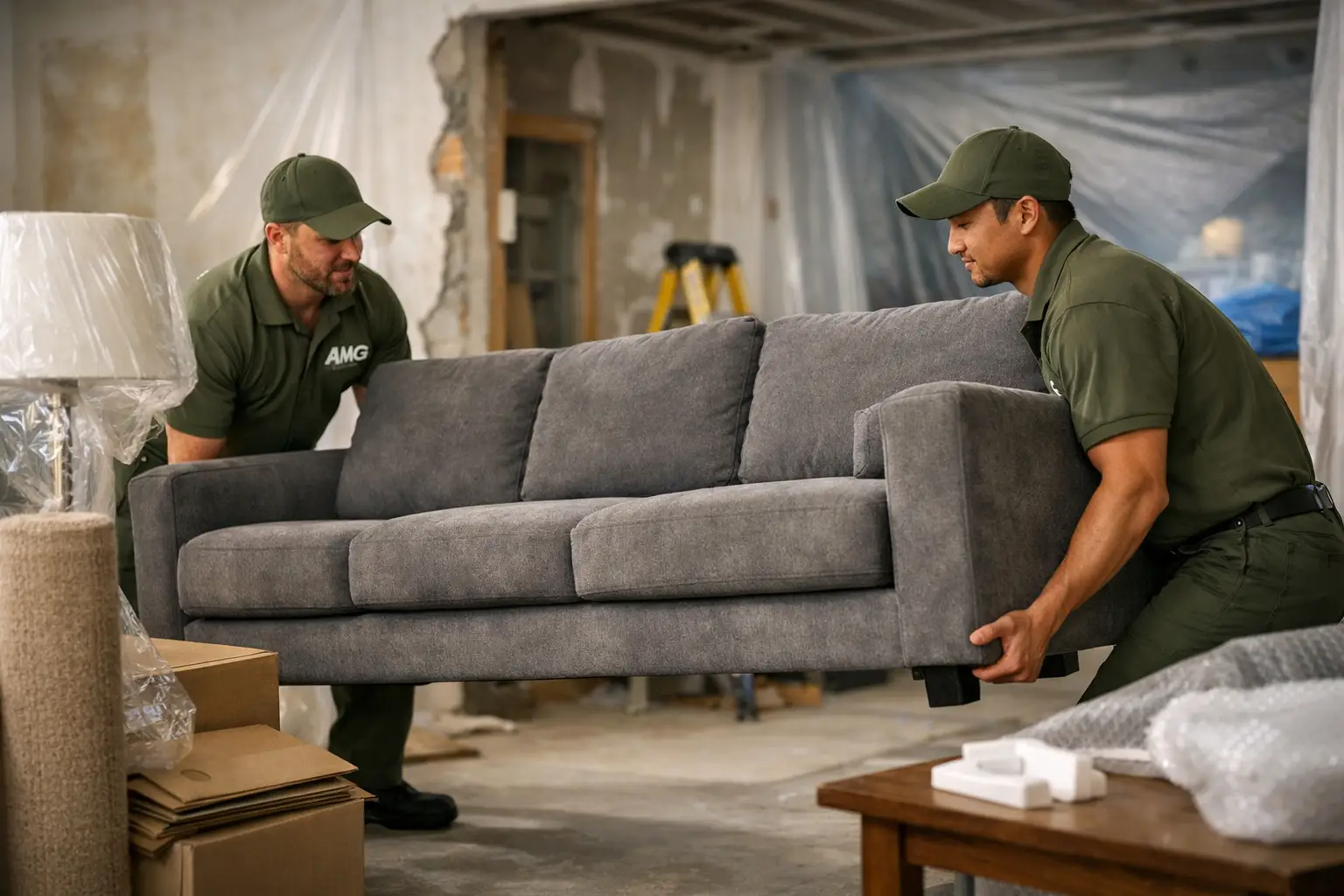
A new floor, fresh paint or a kitchen rebuild can quickly become expensive if a marble tabletop is chipped, a sofa is paint-splattered or a heavy cabinet is dragged across finished timber. Renovation furniture moving is not simply clearing a room. It is a controlled job that protects the furniture you paid for, the surfaces being upgraded and the tradespeople trying to keep the project moving.
The right approach depends on the scale of the work. A one-room repaint may only require careful reshuffling within the home. A full renovation often calls for furniture to be removed before demolition, packed correctly and placed in secure storage or another address until the work is finished. Either way, doing it properly at the start prevents rushed decisions when builders arrive at the door.
Plan renovation furniture moving before work starts
The best time to move furniture is before materials, tools and tradies fill the site. Once demolition has started, access narrows, dust travels and the chance of damage rises. Ask your builder for the actual work sequence, not just the overall start and finish dates. You need to know which rooms will be inaccessible first, whether floors are being sanded, and when heavy deliveries or skips will affect driveway access.
Work backwards from that schedule. Give yourself enough time to sort, pack and move without leaving the job until the evening before construction starts. This is particularly important for family homes, where furniture may need to be moved in stages while people are still living there.
A proper plan separates belongings into three groups: items that can remain safely in place, items that need moving elsewhere in the property, and items that must leave the site. Furniture left behind should be well away from work zones, covered appropriately and not blocking access routes. A sheet thrown over a dining suite will not protect it from fine plaster dust, moisture or a worker carrying timber through a tight hallway.
Decide whether to shift, store or remove furniture
Moving furniture from one room to another can be the lowest-cost option, but only if the receiving room is genuinely safe and usable. A spare bedroom is not a storage room if it will later become a cutting area, a temporary site office or the route to a new extension.
Off-site storage makes sense where the work is extensive, the house has limited clear space, or valuable furniture needs protection from dust and repeated handling. It also gives tradespeople the room to work efficiently. That can reduce disruption and prevent a common problem: furniture being shifted multiple times by different people over the course of the build.
Removing furniture to a second property can work well for longer projects, particularly if you are staying with family or moving out temporarily. However, it requires a clear inventory. Keep matching pieces together, label boxes by room and record where key items have gone. There is little value in protecting a home office desk if the monitor stand, cables and filing cabinet turn up weeks later at three different locations.
For commercial renovations, the same principle applies with more pressure on continuity. Staff may need their desks, files or equipment at a temporary workspace the next morning. Commercial furniture moving should be planned around operational deadlines, loading restrictions and the need to keep sensitive equipment accounted for.
Protect the furniture and the property
Good movers do not rely on luck, blankets and brute force. Protection starts with assessing each item and the route it must travel. Large pieces may need doors removed, drawers secured, glass shelves packed separately or legs detached and labelled. Heavy pieces need the right equipment and enough trained people to control the load through corners, stairs and changes in level.
Purpose-built furniture trucks, clean moving blankets, straps, trolleys and protective coverings all matter. So does the person using them. An untrained labourer can damage a wall, floor or antique cabinet in seconds, then leave the customer dealing with the cost and the responsibility gap.
Newly completed surfaces deserve special attention. Fresh paint can mark easily. Engineered stone, timber flooring, polished concrete and glass doors all require careful handling. Where furniture is being returned after renovations, allow enough curing time for paint, sealants and flooring finishes. Your builder or flooring contractor should confirm when the area is ready for normal use, rather than guessing based on how dry it looks.
There are a few items that should never be treated as ordinary household furniture:
- pianos, which need specialist handling and stable transport
- marble, stone and glass tables, where weight and fragile edges create real risk
- safes, statues and spa pools, which may require additional crew, equipment and access checks
- large appliances and commercial equipment, particularly where disconnecting or reconnecting services is involved
These jobs should be declared when requesting a quote. Surprises on moving day cause delays, and delays are exactly what increase time-based moving costs.
Make access part of the job plan
Access is often where a straightforward renovation move becomes difficult. A narrow driveway, steep path, shared apartment corridor or lack of truck parking can add time before the first item is lifted. Builders’ vehicles, scaffolding, skips and material deliveries can make the situation worse if the move is not coordinated.
Check where the truck can park and whether the route from the home to the truck is clear. Measure bulky pieces and compare them with doorways, stairwells and lifts. If a sofa only entered through a removed window or balcony lift, plan for the same requirement on the way out. Do not assume a crew can solve an impossible access issue without notice.
For apartment and office moves, confirm building rules in advance. Some buildings restrict lift use, require bookings, specify loading zones or limit moving hours. A professional operator will ask these questions because they affect crew size, truck selection and the realistic duration of the job.
Keep builders and movers on the same page
A renovation has several moving parts, and furniture removal should not sit outside the project schedule. Tell the builder when the property will be cleared and ask them to keep work vehicles, materials and skips away from the agreed loading area. If access changes unexpectedly, contact the moving company as early as possible.
Returning furniture needs the same discipline. Arrange it after major dust-producing work is finished and the site has been cleaned, not when the builder is still cutting panels in the hallway. If painting, flooring or cabinetry installation is continuing, ask which rooms are ready first. A staged return can be sensible, provided the furniture will not need to be shifted again the following week.
It is also worth photographing valuable pieces before they are packed. This is not about expecting a problem. It is a practical record of condition, especially for antiques, artwork, designer furniture and delicate finishes. Keep small components, screws, remote controls and keys in labelled bags attached to the relevant item or placed in a clearly marked essentials box.
Choose a mover that takes responsibility
Renovation work creates enough uncertainty without adding an unknown moving crew. Be cautious of booking platforms and lead-generation sites that sell an enquiry to whoever responds. They may not own trucks, employ movers or have control over the people entering your property.
Ask who will actually complete the move, whether the crew is trained in furniture handling, and whether the vehicle is designed for furniture transport. Confirm what information they need about access, heavy items, stairs and timing. A clear quote is more useful than a cheap headline rate that ignores the difficult parts of the job.
Auckland Moving Guys Ltd. handles renovation-related furniture moves with trained in-house crews, fit-for-purpose trucks and practical planning for homes, offices and heavy specialty items. The focus is simple: protect the load, protect the property and complete the work without wasting your time.
When the renovation is finished, bringing furniture back should feel like the final step towards enjoying the space – not another risky job squeezed between the cleaners and the final inspection.


0 Comments