
Best Moving Boxes for House Relocations in NZ
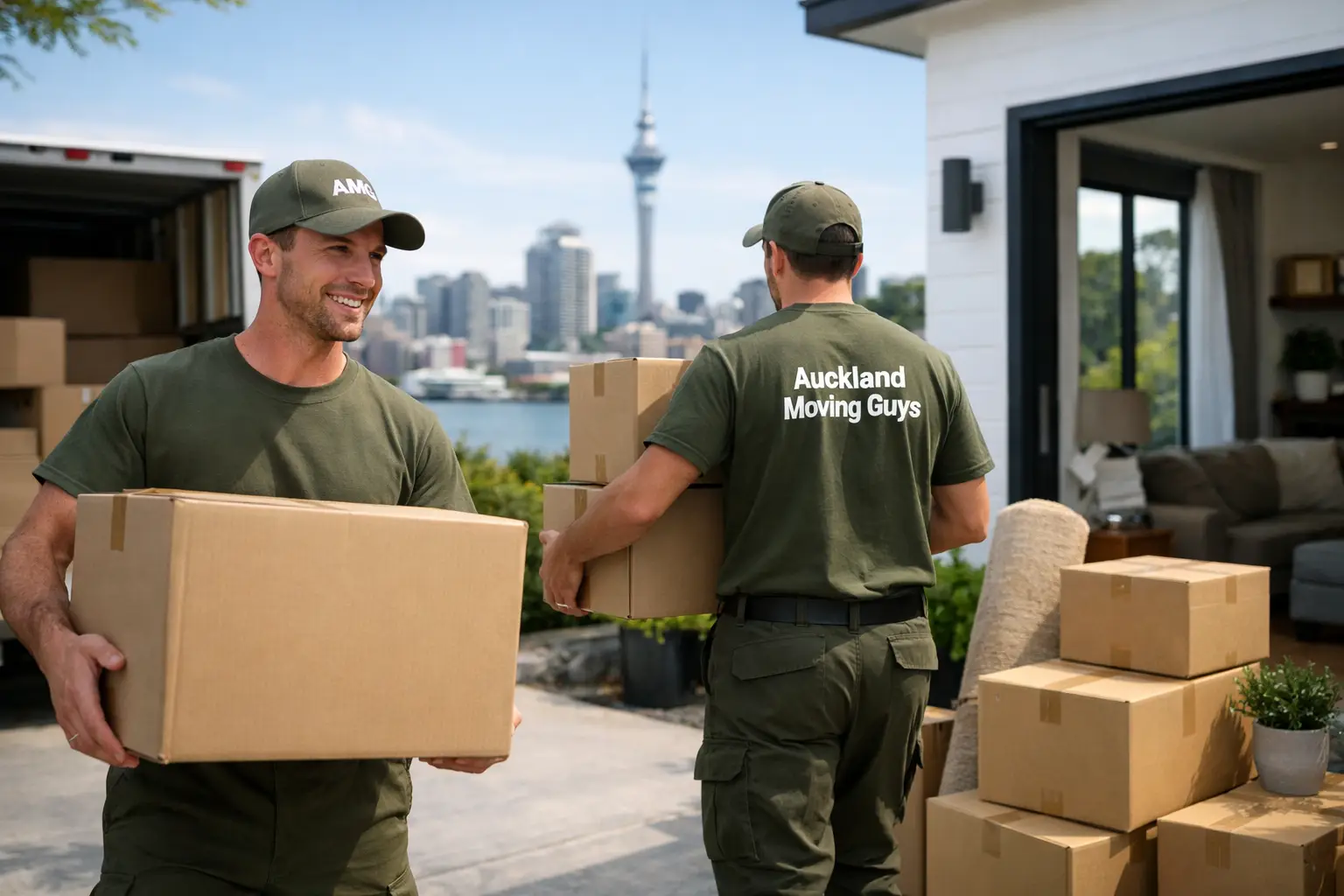
A box that gives way at the bottom is not a minor packing problem. It can damage a television, chip a dining table, injure the person carrying it and add expensive delays to moving day. The best moving boxes for house relocations are not simply the cheapest cartons you can find. They are strong enough for their contents, sized for safe lifting and packed in a way that holds together from your old front door to your new one.
For most house moves, proper moving cartons are money well spent. They stack cleanly in a furniture truck, protect belongings better than mismatched supermarket boxes and help movers load efficiently. That matters when you are paying for a professional crew by the hour and want the job completed without avoidable handling, repacking or damage.
Best moving boxes for house relocations: start with strength
A quality moving box should be made from double-walled corrugated cardboard for most household goods. These cartons resist crushing when stacked and are far less likely to split around the handholds. Single-wall boxes can be useful for light, bulky items, but they are not the right choice for books, kitchenware, files or anything fragile.
Do not judge a carton by how new it looks. A box may appear fine but have softened corners, previous creases or weakened tape lines. Reused cartons are acceptable for light linen, cushions and children’s soft toys if they are clean, dry and structurally sound. For heavier or valuable items, new purpose-made moving boxes are the safer option.
The other factor is uniformity. Boxes in a few standard sizes stack tightly and securely in the truck. Random cartons with bulging sides and uneven bases create gaps, wasted space and unstable loads. That means more time loading, more handling and more opportunity for something to move in transit.
Choose box sizes by weight, not by room
People often pack a “kitchen box” or “bedroom box” until it is full. That is how cartons become too heavy to lift safely. Choose the carton based on the weight and fragility of what goes inside, then label it by room.
Small cartons for dense, heavy items
Small moving boxes are the workhorses of a house relocation. Use them for books, records, canned food, tools, paperwork, bottles, hardware and small appliances. They prevent a common mistake: putting dense items into a large carton that two people can barely lift.
Books are a good test. A small box packed with books may already be at a safe carrying weight. If there is spare room, fill it with light items such as rolled tea towels or packing paper, not more books. Keep the bottom flat and fully taped, even when the carton is new.
Medium cartons for everyday household goods
Medium boxes suit general household contents, including pantry items, toys, folded clothing, shoes, framed photos, small lamps and mixed belongings from drawers or cupboards. They are versatile, but avoid turning them into a catch-all for heavy items.
For kitchen packing, place heavier items at the bottom and lighter pieces above. Fill gaps so contents cannot shift, but do not force the flaps closed over an overfilled box. A carton that cannot close squarely will not stack properly and is more likely to crush or split.
Large cartons for light, bulky belongings
Large cartons are for doonas, pillows, linen, towels, soft toys, lampshades and bulky clothing. They are not for books, dinnerware or a mixture of heavy household items. A large box should look full but remain manageable to lift.
Wardrobe cartons can be worthwhile when time is tight or you have hanging garments that crease easily. They allow clothes to stay on hangers and reduce the packing and unpacking workload. They take up more room than folded clothing, so they are most useful for dresses, jackets, suits and items you do not want crushed into a standard carton.
Boxes for fragile items need more than cardboard
Fragile packing succeeds when the contents cannot touch, rattle or move. The carton is only one part of the system. You also need suitable packing paper, cushioning material and enough fill to keep each item stable.
For plates, pack them on their edge rather than flat, with paper between every piece. Use a sturdy small or medium carton, line the base, and keep the heaviest pieces at the bottom. Glassware should be wrapped individually, with extra protection around stems, handles and rims. Marking a carton “fragile” helps identify it, but it does not make poor packing safe.
Avoid relying on newspaper for delicate white crockery, fabric or anything likely to be stored for a while. Ink can transfer, and newspaper does not provide the same clean, consistent protection as proper packing paper. Bubble wrap is useful for particularly delicate items, but it should not replace sensible packing or a suitable carton.
For paintings, mirrors and framed artwork, purpose-made picture cartons are preferable. If an item is large or unusually shaped, cardboard alone may not provide enough protection. These items need proper wrapping, edge protection and careful loading upright in the truck. The same applies to marble tops, glass table sections and other high-risk furniture components.
Do not overlook specialised boxes
Some household items need boxes designed for the job. They may cost more than standard cartons, but they reduce risk and save time during packing.
Dish-pack cartons are heavier-duty boxes intended for crockery and glassware. Book and archive cartons keep paperwork and books to a manageable weight. Television cartons can protect a screen when the original packaging is no longer available, provided the screen is also padded and kept upright. Mattress bags protect mattresses from dirt and moisture, while carton inserts can keep bottles or glassware separated.
For electronics, the original box is usually best because it was designed for that model. If it is gone, use a close-fitting carton with firm padding on every side. Photograph cable connections before disconnecting equipment, bag leads together and label them clearly. Loose cables and remotes have a habit of disappearing when they are packed as an afterthought.
Build and seal cartons properly
Even a good box fails if it is assembled poorly. Fold the base correctly, then apply tape across the centre seam and along both side seams. This H-tape method gives the bottom far better support than one strip down the middle.
Use proper packing tape, not masking tape, string or whatever happens to be in the kitchen drawer. Packing tape is designed to hold under load. Cheap tape can lift in cold conditions, dusty garages or humid weather, leaving the base vulnerable at exactly the wrong moment.
Do not make cartons excessively heavy just because they have handholds. Handholds are useful, but they are not a licence to overload a box. If a carton needs two people to lift because of its weight, it is usually packed incorrectly. The exception is a purpose-built carton holding a specialised item, where a professional mover has assessed how it will be handled.
Label for loading, not just unpacking
A label should tell the movers what the box is, where it belongs and whether it needs particular care. Write on at least two sides, not only the top. Once boxes are stacked in a truck or garage, the top may not be visible.
Use a clear room name first: “Kitchen”, “Main bedroom” or “Study”. Add a short contents note such as “glasses”, “books” or “linen”. Mark fragile cartons where appropriate, and identify boxes that must travel upright. Keep essential items out of the general load: medications, passports, chargers, keys, important documents and a first-night change of clothes should stay with you.
A numbered inventory can help for a large move, especially when storage is involved. For a standard house relocation, clear room labels and sensible packing are usually enough. Overcomplicated labelling can slow you down without adding real protection.
What not to pack in moving boxes
Some items should not go into a standard household carton or onto a moving truck. Flammables, gas bottles, fuel containers, chemicals, aerosols, batteries that are damaged or loose, and perishable food can create safety issues. Check what your moving company can transport before packing these items.
Heavy furniture parts are another common problem. Flat-pack furniture may need to be dismantled and wrapped rather than loaded in cartons. Screws, brackets and small fittings should be sealed in labelled bags and attached securely to the relevant item where practical. Do not leave loose hardware rolling around in the bottom of a box.
If you are unsure whether an item needs special handling, ask before moving day. A piano, safe, spa pool, statue or marble table is not made safer by extra cardboard. It needs the right equipment, trained people and a proper plan.
Buy enough cartons before you start
Running out of boxes late at night encourages bad packing: overloaded cartons, weak rubbish bags and items left loose for the movers to deal with. Order or collect supplies before packing begins, including tape, packing paper, marker pens, mattress protection and a few spare cartons for last-minute items.
Auckland Moving Guys can provide packing supplies and practical advice based on the size and contents of your move. The right number of boxes depends on the home, how long you have lived there and how much storage has accumulated, so an honest assessment beats a generic box estimate.
Pack the easy rooms first, leave daily essentials until last, and keep each carton within a safe lifting weight. Good boxes will not replace careful handling, but they give your belongings the stable foundation they need for a safer, faster move.


0 Comments