
Storage Unit Moving Help That Protects Your Gear
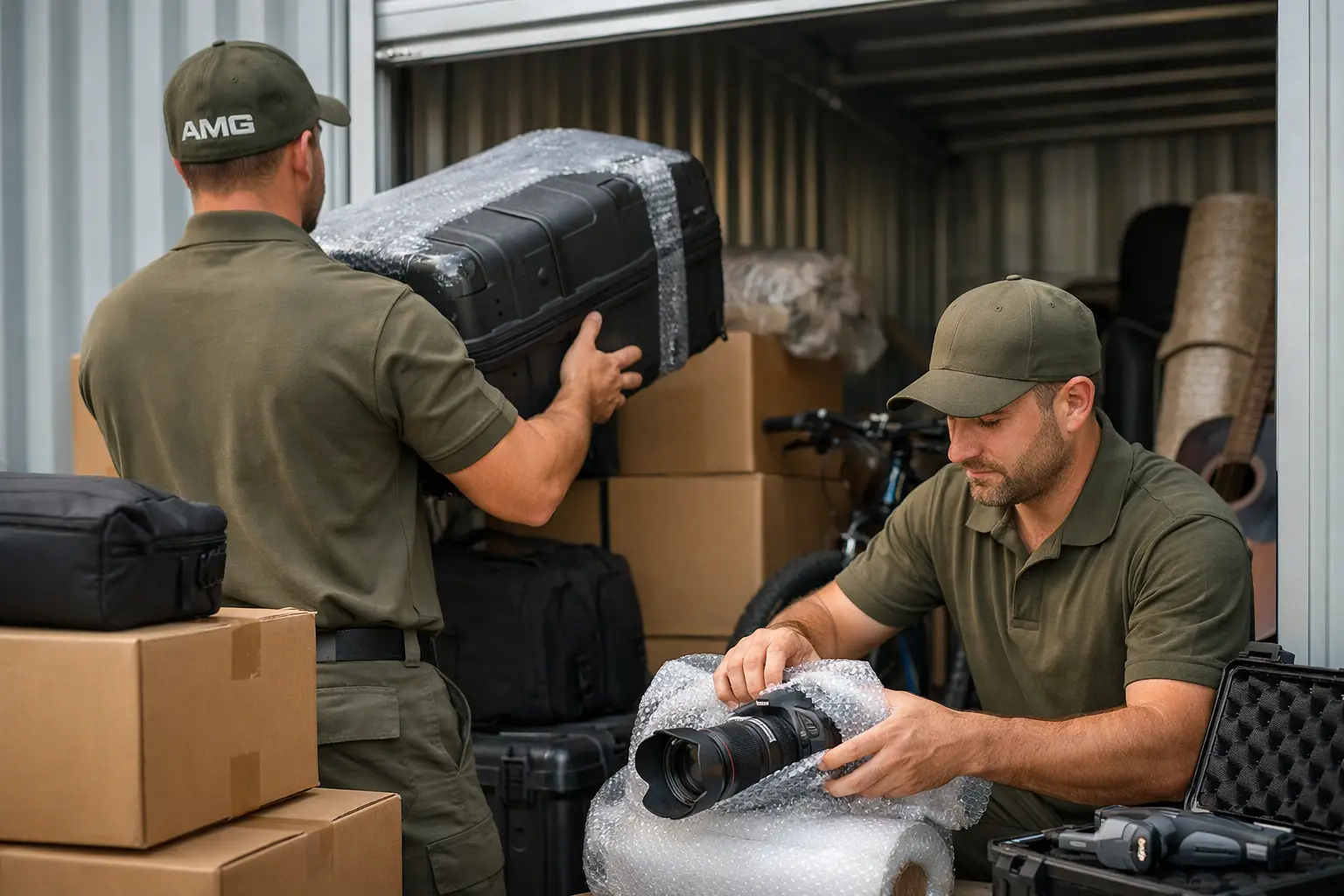
A storage unit can turn a straightforward move into a long, expensive day if nobody has planned the access, loading order or condition of the goods. Proper storage unit moving help is not simply turning up with a truck. It means sending trained movers with the right equipment, a workable plan and clear responsibility for the furniture and belongings being handled.
Whether you are clearing a unit before a house move, moving items into storage during renovations, or shifting business stock between facilities, the risks are similar. Tight corridors, lift bookings, long walks from the unit to the truck, stacked furniture and uncertain access can all add time and increase the chance of damage. Good moving work controls those variables before the first item is lifted.
Why storage moves need more than a truck
Storage facilities are designed to hold goods, not necessarily to make moving easy. Units may be upstairs, at the end of narrow passages, behind security gates or a considerable distance from the loading area. Some sites have loading bays with strict time limits. Others require lift access, a gate code, an office sign-in or advance notice before a furniture truck can enter.
That is why an accurate description of the storage site matters when arranging a quote. Movers need to know the unit size, floor level, lift availability, distance to the truck and whether there are any height restrictions. A clean, purpose-built furniture truck is useful only if it can legally and safely access the property.
The contents also matter. A unit filled with sealed cartons is different from one containing a piano, marble table, large safe, spa pool equipment or valuable antique furniture. Heavy and awkward items need a lifting plan, suitable dollies, protective materials and enough trained people on site. Guessing on the day is not a professional approach.
When storage unit moving help is the sensible choice
Plenty of people can move a few cartons in a ute or car boot. Professional assistance becomes worthwhile when there is furniture to protect, heavy items to manage, a strict deadline or a significant amount of loading and unloading. It can also be the better value option where hourly time is involved. An organised crew that loads in the right order and avoids repeated trips can save hours compared with an improvised move.
Consider professional help if the unit contains whiteware, beds, sofas, fragile cabinetry, office furniture or anything that cannot be safely handled by one or two untrained people. The same applies if your storage unit is part of a larger move between Auckland, Whangarei, Hamilton or another North Island location. Coordinating storage collection with delivery to the new address avoids handling the same goods multiple times.
There is a trade-off. If you only have several light boxes and complete flexibility, doing it yourself may be reasonable. But if a broken table, injured helper or delayed vacate date would cost more than the move itself, trained movers are the practical choice.
The details to provide before movers arrive
Clear information protects your belongings and helps keep the job efficient. Do not estimate the job from the size of the storage unit alone. A small unit can be packed floor to ceiling with heavy furniture, while a larger unit may contain only a few items.
Before booking, provide a realistic list of the main items and explain how the unit is packed. Tell the moving company if furniture is dismantled, if cartons are labelled, or if goods are stacked behind other goods. Photos can also help identify bulky or delicate pieces that require special handling.
You should also confirm these site details:
- the facility address, unit number and access hours;
- the floor level, lift size and any stairs or long corridors;
- loading bay rules, parking restrictions and vehicle height limits;
- whether the facility requires a booking, proof of identification or gate access; and
- the delivery address, including stairs, lifts and parking at the other end.
This is not paperwork for its own sake. A crew arriving without access approval can be left waiting, and waiting time adds cost without moving a single item. Likewise, a truck that cannot enter a restricted loading bay may require a longer carry from the nearest legal parking space.
Protect furniture before it leaves the unit
Storage can hide problems. Furniture may have been tightly packed for months, cartons can weaken in damp conditions, and unwrapped surfaces may collect dust or suffer rub marks from neighbouring items. Check the condition of key pieces before loading, particularly anything valuable or fragile.
Good movers use furniture blankets, wrapping and secure loading methods to prevent timber, upholstery and painted surfaces from rubbing during transport. Mattresses need protection from dirt and moisture. Glass, mirrors and artwork should be secured appropriately rather than balanced loosely against a wall or thrown in with cartons.
Packing quality affects the move as well. Cartons that are overfilled, crushed or poorly taped can fail when lifted. It is better to repack a weak carton before loading than have its contents spill through a corridor or inside the truck. Keep essential documents, jewellery, medications and irreplaceable personal items with you rather than burying them in a storage unit load.
Load order saves time at both ends
A storage unit is often packed according to whatever fitted at the time, not according to where each item needs to go next. That creates a common problem: the goods needed first are trapped at the back, while low-priority items block the entrance.
A professional crew will assess the unit before starting and create enough space to work safely. From there, loading should account for weight, protection and delivery order. Heavy items are secured low in the truck. Fragile furniture is wrapped and positioned to avoid movement. Items required first at the destination can be loaded with unloading in mind where the job allows it.
If you are keeping some goods in storage and taking others away, mark the items staying behind before the crew arrives. Use clear labels and create a simple keep-and-go plan. Relying on memory halfway through a busy move is how the wrong furniture ends up at the wrong address.
Be careful with labour-only and low-price offers
Labour-only moving help can work well when you have a suitable vehicle, the correct protective gear and a clear plan. It is useful for rearranging a storage unit, loading a hired truck or moving items within the same facility. However, the responsibility for truck condition, load restraint and transport remains a serious consideration.
The cheapest advertised option is not always the cheapest move. A poorly trained crew can damage furniture, load inefficiently, struggle with basic access issues and take longer than necessary. Some booking platforms are middlemen rather than the people who will actually carry your belongings. When something goes wrong, that gap in accountability matters.
Ask who will perform the work, whether the movers are trained in-house, what truck and equipment will be used, and how access complications are handled. Direct operators have a clearer stake in doing the job properly. Auckland Moving Guys Ltd. works with trained moving crews and purpose-built furniture trucks because furniture transport is a skilled service, not a casual lifting job.
A better way to prepare your unit
If possible, visit the storage unit a day or two before the move. Put a clear path to the door, separate anything that is not going, and remove loose rubbish that could slow the crew down. Make sure you can find keys, gate codes and facility contact details without searching through cartons on moving day.
For business storage, nominate one person to make decisions about stock, furniture and documents. Multiple people giving different instructions is a reliable way to lose time. For household moves, decide in advance where large pieces will go at the new property, especially beds, lounges and dining furniture.
The best storage move feels controlled because the work was prepared properly. Give your movers accurate information, choose people equipped for the actual job, and make access simple. Your belongings have already spent enough time in storage. They deserve a careful trip out.


0 Comments