
North Island Moving Guide for a Safer Move
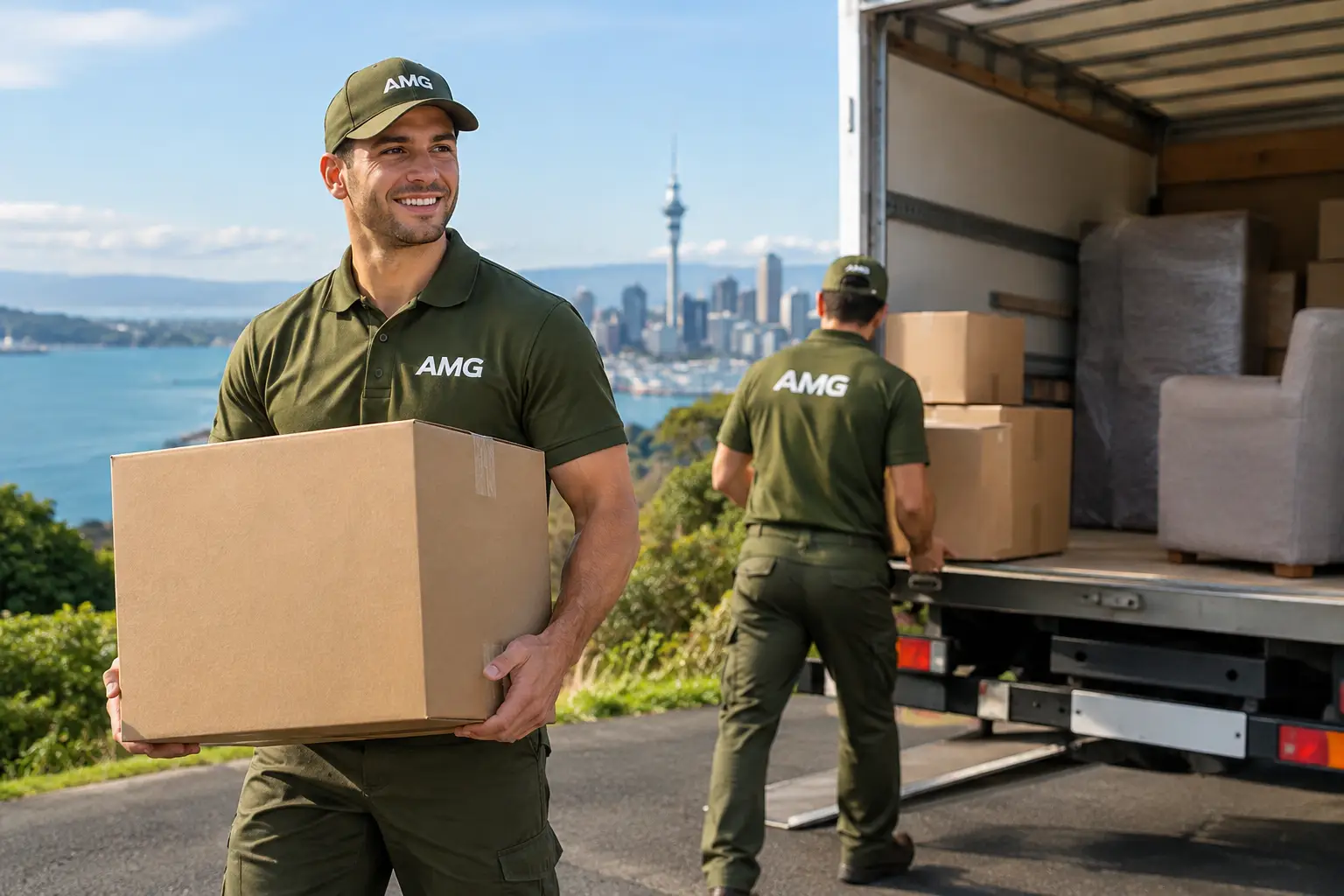
A move from Auckland to Whangarei, Hamilton, or anywhere in between is not simply a local job with more kilometres added. It involves motorway timing, property access at both ends, the right truck capacity and a crew that knows how to secure a full household for intercity travel. This North Island moving guide is designed to help you prepare properly, protect your belongings and avoid the expensive delays that come from poor planning.
Start with the route, not the boxes
The North Island corridor between Whangarei, Auckland and Hamilton is well travelled, but every move has its own practical pressure points. A city-centre apartment may have loading dock restrictions and lift bookings. A rural property can mean a long, narrow driveway, soft ground, low branches or a difficult turning area. A townhouse might require multiple flights of stairs and a tight shared accessway.
Tell your mover about these conditions before moving day. Good information allows the right truck, crew size and equipment to be allocated from the outset. If access is restricted, it may be more efficient to use a smaller vehicle, arrange a shuttle load or schedule the job outside peak building hours. These are not details to leave until the truck arrives.
Traffic also affects timing. Auckland motorway congestion, school-run periods, Friday afternoon travel and holiday traffic can all add time to an intercity move. A professional plan builds reasonable allowances into the day rather than promising an unrealistically fast delivery window.
Get an accurate quote by giving an accurate inventory
The cheapest quote is not always the lowest-cost move. A vague price based on a quick online form can become expensive when the truck is too small, extra labour is needed, or the crew discovers large items that were never mentioned. For time-based work, poor preparation can also add directly to the final cost.
Give a clear picture of what is being moved. Include the major furniture, approximate box count, outdoor items, garage contents and anything stored in a shed, attic or under the house. Mention difficult or unusually heavy items early, including pianos, safes, spa pools, marble tables, statues and large fridges. These items need appropriate handling methods, suitable lifting equipment and enough trained people on site.
Photos or a video walkthrough can be useful where access is complicated. They help identify staircases, corners, balconies, driveways and parking limitations before the move is booked. An experienced operator would rather assess a challenge beforehand than improvise around it with your furniture on the truck.
The North Island moving guide to access and parking
Parking is one of the most overlooked parts of a move. Every extra metre between the truck and the front door means more carrying, more time and more opportunities for damage. In busy Auckland streets, a truck may need a booked loading space, permission from building management or coordination with neighbours. At the destination, make sure gates are unlocked and vehicles are moved from the driveway.
Before the crew arrives, measure any obvious tight points. Check the width of doors, halls and stairwells against large sofas, beds, fridges and cabinets. Remove loose mats, pot plants and other trip hazards from the route. If a lift is needed, confirm its operating hours and protect shared areas as required by the building.
For rural or semi-rural properties, check whether a furniture truck can safely enter and turn around. Wet grass, steep gradients and overhanging branches can change the plan. A long carry is manageable when allowed for, but it should be known in advance so the job is quoted and staffed honestly.
Pack for transport, not just for storage
Boxes packed for a short drive to a storage unit are not necessarily ready for intercity transport. Household goods can shift during braking, cornering and uneven road conditions unless they are packed and loaded correctly.
Use strong, properly taped cartons and keep the weight sensible. Books, tools and records should go into smaller boxes; bedding, cushions and light linen can fill larger ones. Do not overload cartons simply to reduce the number of boxes. A split box creates more work than it saves, and a box that cannot be safely lifted slows the whole crew.
Wrap breakables individually and fill empty space so contents cannot move. Plates are generally safer packed on their edge, while televisions, mirrors and artwork need purpose-made protection or careful professional wrapping. Clearly label boxes by room and note fragile items, but remember that clear labelling does not replace correct packing.
Keep a separate essentials bag with medication, chargers, documents, keys, basic toiletries, a change of clothes and anything needed for children or pets. That bag should travel with you, not in the moving truck.
Prepare furniture before moving day
Furniture is safer and faster to move when it has been prepared. Empty drawers where possible, particularly from tallboys, filing cabinets and heavy bedside units. Remove shelves from bookcases, take glass panels out of cabinets and disconnect appliances according to the manufacturer’s instructions. Fridges and freezers should be emptied, defrosted and dried well ahead of collection.
Beds, dining tables and larger modular furniture may need dismantling. This depends on the item and the access route. A solid table might travel better intact if it can fit safely through the property, while a large bed frame may need to come apart to avoid damage to walls, door frames or the furniture itself.
Do not assume all movers offer the same level of care. Clean furniture blankets, mattress protection, tie rails, straps, trolleys and purpose-built trucks are working tools, not optional extras. They matter most on a full load travelling between cities, where poor restraint can quickly turn a minor bump into damaged furniture.
Choose the people doing the work
A moving booking platform, a lead-generation website and an actual removal company are not the same thing. Some businesses collect your enquiry then pass it to a third party you have never assessed. If something goes wrong, responsibility can become unclear very quickly.
Ask who will perform the move, whether the crew is trained in-house, and whether the company owns or operates suitable furniture trucks. Check that they can explain how heavy or delicate items will be managed, not just assure you that they will be careful. Professional movers should be able to discuss access, load security, equipment and crew numbers in practical terms.
It is also reasonable to ask about transport licensing, insurance arrangements and the process if a problem occurs. No careful operator can promise that every unforeseen issue is impossible, but accountable businesses have clear procedures and take ownership of their work. That is a far better standard than a bargain price from an unknown subcontractor.
Make moving day efficient
Have the property ready before the scheduled arrival time. Complete as much packing as possible, disconnect electronics, clear walkways and identify any items that are not going. If there are pieces that need special instructions, point them out during the initial walkthrough rather than halfway through loading.
One decision-maker should be available throughout the job. They do not need to supervise every lift, but they should be able to answer questions about room placement, access and priority items. At the destination, use room labels or a simple plan so boxes and furniture can go directly where they belong. Rehandling furniture later costs time and can create avoidable damage.
For commercial moves, the preparation needs to be tighter. Confirm which desks, filing systems, stock, IT equipment and signage are moving, and which staff member has authority to make on-the-day decisions. A business relocation is often judged by how quickly normal work can resume, not by how quickly a truck is loaded.
Do not leave specialty items to chance
Heavy and awkward items require their own plan. A piano has different weight distribution and handling requirements from a safe. A spa pool may need drainage, access assessment and specialised lifting. Marble, stone and glass furniture can be damaged by incorrect carrying even when it looks well protected.
Raise these items at the quoting stage and be prepared to provide measurements, weight estimates and photos. The right answer may involve extra movers, specialised equipment or a separate transport arrangement. That can cost more than treating it as standard furniture, but forcing an unsuitable method is false economy.
A well-run North Island move should feel organised rather than rushed. Proper planning, capable equipment and trained people protect both your belongings and your budget. When you choose a direct, accountable moving company such as Auckland Moving Guys Ltd., you are paying for disciplined handling and a plan that holds up once the truck is on the road.



0 Comments