
Moving Services That Protect Your Furniture
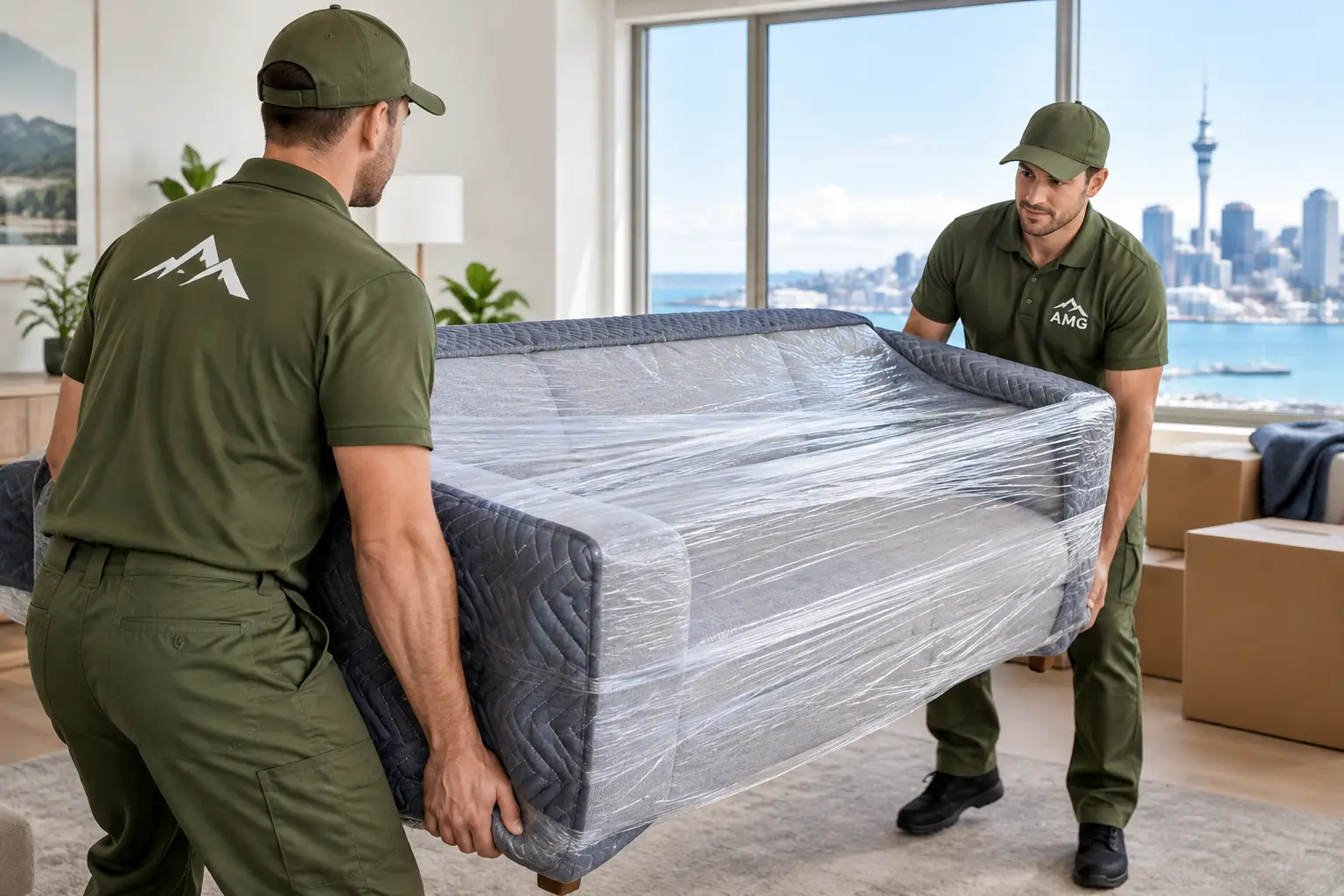
A move can go wrong long before the truck arrives. It starts when a customer books through a lead site that does not employ movers, accepts a vague quote, or assumes every truck operator knows how to handle furniture. Proper moving services are not just about getting boxes from one address to another. They are about protecting your possessions, managing access problems, loading efficiently and being accountable when the work is done.
For a house move, office relocation or intercity job, the cheapest advertised rate can become expensive quickly if the crew is slow, unprepared or working with the wrong equipment. The right mover controls the risks that cost customers the most: damage, delays, avoidable double-handling and confusion over who is responsible.
What professional moving services should include
A professional move begins with a clear understanding of the job. That means the mover asks sensible questions about access, stairs, lifts, parking, furniture size, fragile items and the distance between properties. These details affect the crew size, truck selection, loading plan and time required. A mover who quotes without asking much may be guessing, and guesses tend to surface as problems on moving day.
The crew matters just as much as the truck. Trained furniture movers know how to wrap, lift, carry and secure household goods without taking shortcuts. They understand how to protect timber, upholstery, glass and appliances, and how to manoeuvre awkward pieces through tight hallways and stairwells. Strength helps, but moving furniture safely is a learned trade.
A suitable furniture truck should be clean, enclosed and fitted for the work. Purpose-built trucks allow furniture to be secured properly, with blankets, ties and protection positioned where they are needed. A general freight vehicle, hired van or overloaded ute may look cheaper at first, but it does not offer the same control over valuable furniture in transit.
The difference between a mover and a middleman
Many customers do not realise they have booked an intermediary until something goes wrong. Some websites collect moving enquiries, pass them to another operator and take a fee without performing the work themselves. That can leave customers dealing with a different company on the day, unclear standards and a responsibility gap if furniture is damaged or the crew fails to arrive.
Direct moving companies employ or manage their own crews, maintain their own equipment and stand behind the service delivered. You know who is arriving, who is loading the truck and who to contact if plans change. That direct accountability is not marketing language. It is practical protection for the customer.
Ask who will physically complete your move. Ask whether the company is a mover or a booking platform. It is a straightforward question, and a legitimate operator should answer it plainly.
Choosing moving services for your type of move
Not every move needs the same level of support. A small flat move with easy access may only require a truck and two capable movers. A family home with several bedrooms, outdoor furniture and a piano needs more planning. Office relocation adds another layer, because downtime, data security, workstation set-up and building rules can all affect the schedule.
House and apartment moves
For residential work, accurate information prevents surprises. Let the mover know about narrow driveways, steep paths, flights of stairs, lift bookings, restricted parking and large items that may need partial disassembly. If you are moving from an apartment, check loading dock rules and reserve lift time early. A crew waiting for access is still on the clock, so preparation protects your budget as well as your furniture.
Packing support can be worthwhile where time is tight or fragile items need careful attention. It is not essential for every move, but professionally packed artwork, glassware, mirrors and electronics are less exposed to damage than items placed loosely into reused cartons. Quality packing materials also make loading faster and more stable.
Office and commercial relocations
Commercial moves need an operational plan, not just extra labour. A good mover will identify what must be disconnected, labelled, moved first and placed where at the new premises. Desks, filing cabinets, stock, meeting-room furniture and equipment all require different handling.
The best time to move depends on the business. A weekend or after-hours relocation may reduce disruption, while a staged move can keep essential teams working. It may cost more than a simple daytime job, but the trade-off is often worthwhile when staff downtime is considered. Clear labelling and a floor plan can save hours at the destination.
Heavy and specialty items
Pianos, spa pools, safes, marble tables, statues and oversized furniture should never be treated as ordinary household items. Their weight, balance and fragility create risks for the item, the property and the people moving it. These jobs may require extra movers, specialist handling equipment, access checks or a different transport plan.
Be wary of anyone who promises to move a heavy item without asking for measurements, weight, photographs and access details. The correct answer is sometimes that more preparation is needed. That is professional judgement, not a lack of willingness.
Why preparation keeps moving costs under control
Most local furniture moves are priced around time, crew size and vehicle requirements. Customers naturally focus on the hourly rate, but the more useful question is how efficiently the crew can complete the work. An experienced team with the right truck can represent better value than a lower-priced crew that takes longer, makes extra trips or spends time working around poor access.
Before moving day, reduce what does not need to travel. Dispose of rubbish, donate unwanted items and empty storage areas rather than paying to move things you no longer want. Pack cartons securely, keep them to a manageable weight and label them by room. Set aside valuables, documents, medication, keys and items you will need on the first night.
At both properties, make access as clear as possible. Reserve parking near the entrance where permitted, remove trip hazards and make sure someone can answer questions about placement. If the truck cannot park close to the property, tell the mover beforehand. Long carrying distances can substantially affect the time needed.
Questions worth asking before you book
A reliable mover will not avoid practical questions. Confirm whether the company uses trained in-house movers, what type of truck will be sent, and whether the team has experience with any specialist items in your home or workplace. Ask how they handle access changes, delays and additional work discovered on the day.
It is also sensible to ask about transport licensing, insurance arrangements and membership of relevant industry associations. These are not guarantees that nothing can happen, but they indicate whether the operator takes the business seriously. Furniture moving involves real risk and should be treated as skilled, accountable work.
Read the quote carefully. It should make clear what is included, how travel time is treated, whether there are minimum charges, and what assumptions have been made about access and volume. If a price seems unusually low, find out what has been left out. A cheap headline figure is not a bargain if it does not cover the service you actually need.
A better standard for moving day
On the day, good movers arrive prepared, assess the job before loading and protect vulnerable furniture as they work. They communicate when an item presents a challenge rather than forcing it through a doorway. They secure the load for transport and place items according to sensible instructions at the destination.
That discipline is what customers should expect from Auckland Moving Guys and any moving company trusted with a home or business. A move is a short job with long consequences if it is handled carelessly. Choose movers who ask the right questions, bring equipment suited to the work and accept direct responsibility for the people and possessions in their care.
The best move is rarely the one with the flashiest quote. It is the one where your furniture arrives safely, your time is respected and there is a capable professional at the other end of the phone.


0 Comments