
How to Coordinate Apartment Lifts for Moving
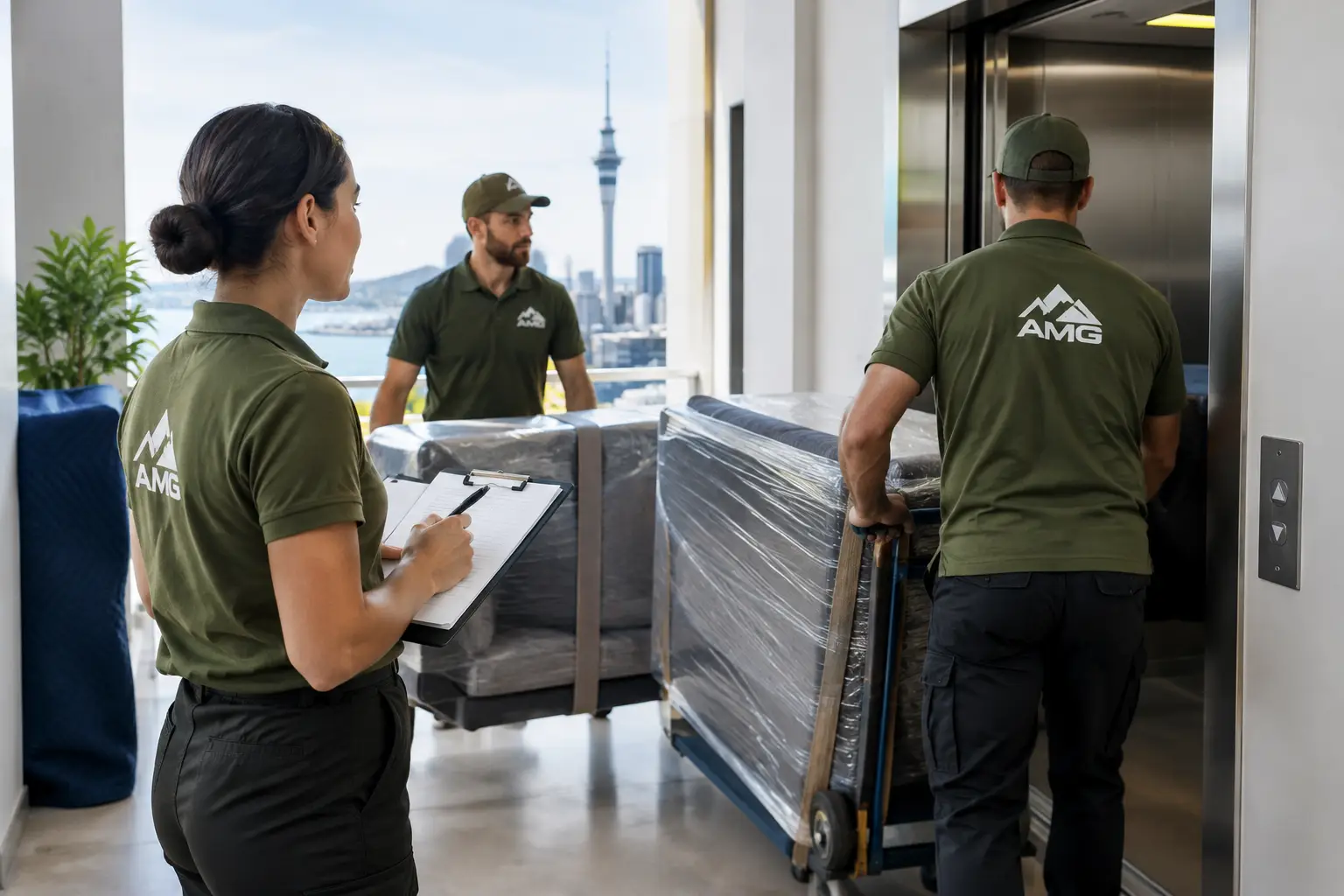
A booked removal truck means very little if the apartment lift is unavailable, too small for key items, or shared with residents during your loading window. Knowing how to coordinate apartment lifts is one of the most practical ways to keep a move on schedule, protect common areas and avoid paying movers to wait while building access is sorted out.
Apartment moves are not simply house moves with more stairs. They involve building rules, lift dimensions, loading docks, access cards, time restrictions and neighbours using the same space. Get those details right before moving day and the job runs faster, safer and with far less stress.
Start with the building manager, not the lift button
Contact the building manager, concierge or strata manager as soon as you have a likely moving date. Do not assume a lift can be reserved just because the building has one. Many apartment blocks require advance notice, a booking form and a refundable bond before they will protect a lift for a removal.
Ask whether there is a dedicated service lift. This is usually the preferred option because it is designed for deliveries and furniture, often connects directly to the loading area and reduces disruption for other residents. If the building has only passenger lifts, management may still allocate one for removals at set times.
Your booking should confirm the date, the exact start and finish time, which lift can be used, and where the truck is permitted to park. A vague confirmation such as “morning is fine” is not enough when a crew, truck and building all need to work to a schedule.
Ask the questions that affect the move
Before you lock in movers, get clear answers on access. The important issue is not merely whether there is a lift, but whether the full route from truck to apartment works for your largest furniture.
Confirm the internal lift dimensions, door width, height and weight limit. Measure bulky items such as fridges, couches, bedheads, large tables and flat-pack furniture. A lift may carry plenty of boxes but still be too narrow for a three-seat sofa or too short for an upright piano. If an item will not fit, your mover needs to know early enough to plan a stair carry, balcony lift or alternative solution where safe and permitted.
Also check the route at both ends. Narrow lobby doors, tight corridors, security gates, turns near the lift and low carpark clearance can cause more trouble than the lift itself. A purpose-built furniture truck cannot enter every basement loading dock. If access is limited, the crew may need to park on the street and use trolleys over a longer distance, which changes the time required.
Ask management about these practical requirements:
- the lift booking fee, bond and cancellation rules
- approved moving hours, including weekend and public holiday restrictions
- loading dock access, vehicle height limits and parking arrangements
- lift keys, swipe cards or security staff needed for access
- protective pads, floor coverings and wall protection required by the building
- any paperwork required from the moving company, such as public liability evidence
These details are not administration for its own sake. They determine the equipment, crew size and realistic duration of the move.
Book enough lift time
A common mistake is booking a two-hour lift slot because the apartment itself is small. The lift booking needs to cover the full process: bringing the truck into position, protecting the lift, loading out, travelling between properties if relevant, unloading, removing protection and clearing the loading area.
For a one-bedroom apartment with straightforward access, a short slot may be workable. For a two- or three-bedroom apartment, or a building with a long path from the loading dock to the lift, allow more time. Multiple trips in a small lift quickly add up, especially when residents must still be able to move through the building.
It also depends on whether you are moving in, moving out or doing both on the same day. You may need reservations at two separate buildings, and the travel time between them needs a sensible buffer. Booking the destination lift too early can leave movers rushing. Booking it too late can mean a loaded truck and crew waiting on the street.
Where possible, choose a quieter period approved by the building. Mid-morning or early afternoon on a weekday can be easier than the first hour of the day, when cleaners, tradespeople, deliveries and residents are using shared access. That said, every building has its own rules. Follow the allocated time rather than trying to squeeze in outside it.
Give your movers the full access information
Professional movers can plan around difficult apartment access, but only if they know about it before arriving. Tell them the floor number, lift dimensions, booking period, loading dock location, truck clearance, parking instructions, stairs, long carries and any building protection rules.
Photos are useful. A quick photo of the lift interior, the loading entrance, the route through the lobby and any tight corner gives a moving coordinator a far clearer picture than “easy access”. If you have a floor plan or building move-in guide, provide that as well.
Be upfront about heavy and awkward items. A marble table, large fridge, safe, spa pool component or piano requires a different handling plan from ordinary cartons. These pieces may not travel safely in a standard lift, and attempting to force them through can damage the item, the lift or common property. Trained movers will assess the route and advise on the right approach rather than taking a gamble on moving day.
Auckland Moving Guys Ltd. plans apartment moves around real access conditions, not assumptions. That matters because time spent finding keys, changing parking positions or dismantling furniture unexpectedly is time added to the job.
Protect the lift and common areas
Most apartment buildings require lift padding and protective coverings for good reason. Timber flooring, painted walls, stainless-steel lift panels and glass entry doors are easily marked by furniture corners, trolleys and cartons. Damage to common property can put your bond at risk and create an avoidable dispute with building management.
Confirm who supplies the lift pads and floor protection. Some buildings keep their own protection on site and require it to be fitted by the concierge. Others expect the moving company to bring it. Never rely on loose blankets as a substitute where the building has a stated protection standard.
Inside your apartment, clear the path to the front door before movers arrive. Remove loose mats, pot plants, shoes, small tables and anything that creates a trip hazard. Keep children and pets safely away from the lifting route. It sounds basic, but clear walkways allow the crew to focus on controlled handling rather than stepping around obstacles with a heavy load.
Keep the lift moving efficiently on the day
The best lift bookings can still be wasted through poor preparation. Pack and label cartons before the crew arrives, and have smaller items ready near the exit without blocking the hallway. Dismantle furniture that you have agreed to dismantle, or make sure movers have been told it needs doing.
Keep your mobile on and be present for the start of the job. You may need to meet the crew at the loading dock, provide access cards, sign in with security or direct them to the correct lift. If building management requires an inspection before and after the move, arrange it early rather than trying to find someone at the end of the booking.
One person should manage communication with the building and the moving crew. When several family members give different directions, small delays multiply. Let the crew know which items are staying, which rooms are priorities and whether anything has changed since the quote.
Do not hold the lift doors open with furniture, cartons or improvised wedges. Apart from damaging the doors, this can trigger a fault or safety shutdown. Use the building’s approved lift mode or access key, and let the crew manage loading in a controlled way.
Have a contingency plan for problems
Lifts occasionally break down, access cards fail and loading docks are unexpectedly occupied. You cannot control every building issue, but you can reduce the impact. Keep the building manager’s mobile number handy, know the alternative street parking option and tell your movers immediately if management changes the booking conditions.
If a lift failure means stairs are the only option, do not assume the original plan still applies. Stair carries are slower and may require extra labour, especially for heavy furniture. In some cases, the safest decision is to delay particular items until lift access is restored. Protecting people and property matters more than forcing a schedule.
A well-coordinated apartment lift is not a small detail. It is the link between your building’s rules and a moving crew’s ability to work safely and efficiently. Confirm access early, allow realistic time and share every restriction with your movers. That preparation gives the day its best chance of finishing with your furniture where it belongs, not stuck in a lobby or waiting at the kerb.



0 Comments