
Do Removalists Disconnect Appliances When Moving?
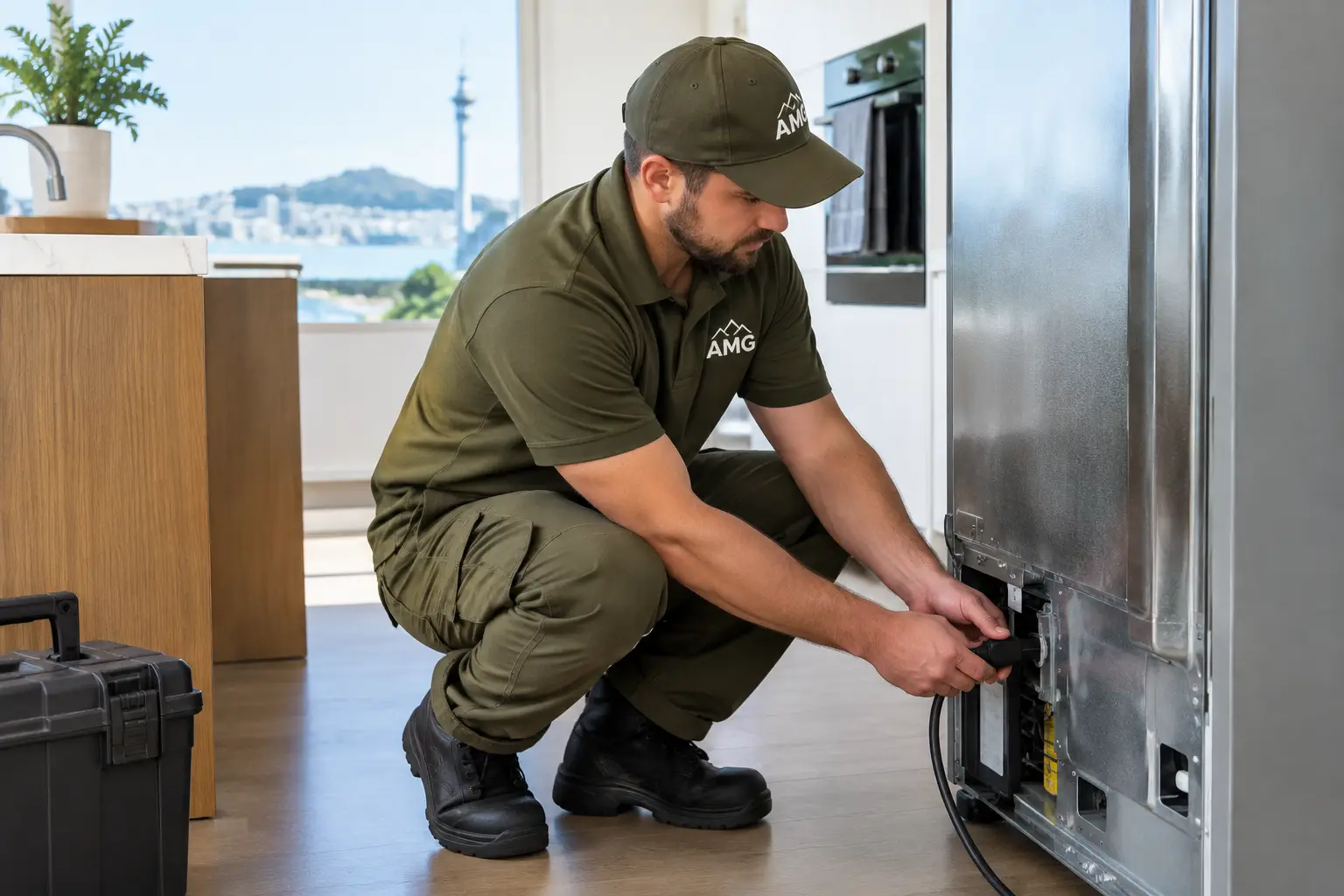
Moving day is not the time to discover that the washing machine is still full of water or the oven is hard-wired to the wall. So, do removalists disconnect appliances? Usually, removalists can unplug and move simple, accessible appliances, but they should not disconnect anything involving fixed electrical wiring, gas, plumbing or specialist installation. Those jobs belong to qualified tradespeople.
That distinction protects you, your property and the people doing the move. A professional moving crew is trained to lift, protect, load and transport furniture and household goods efficiently. They are not there to take on electrical or plumbing work outside their licence and insurance scope.
Do Removalists Disconnect Appliances as Part of a Move?
The answer depends on the appliance and how it is connected. A freestanding microwave, television, desktop computer or fridge with an accessible plug can generally be unplugged before the move. Many removalists will assist with straightforward handling where it is safe to do so, but this should never be assumed. Confirm the scope with your moving company before move day.
Appliances connected to a water supply, gas line, fixed wiring or a specialised vent generally need to be disconnected by the appropriate qualified person. This includes most gas cooktops, built-in ovens, dishwashers, plumbed fridges, washing machines, dryers with fixed vents, heat pumps and hard-wired rangehoods.
Trying to save a small call-out fee by disconnecting these items yourself can create a larger problem. A loose water connection can flood a kitchen. A damaged gas fitting can be dangerous. Incorrect electrical work can affect insurance, cause damage or leave an appliance unsafe to reconnect at the new address.
What Movers Can Usually Handle
Removalists are well placed to transport appliances once they have been properly prepared and isolated. This includes manoeuvring them through tight doorways, protecting finishes, securing doors and loading them safely into a purpose-built furniture truck.
For simple plug-in appliances, the practical preparation is usually straightforward. Unplug the appliance, remove loose shelves and accessories, clean and dry it, then make sure cords are secured so they cannot drag or snag during handling. If an appliance is unusually heavy, built into cabinetry or located upstairs, advise the mover while requesting your quote. Details matter when planning the right crew, access equipment and vehicle space.
A professional crew should also assess the carrying route rather than forcing an appliance around a tight corner. Rushing heavy goods through a home is how door frames, flooring and the appliance itself get damaged. Good moving is controlled work, not brute force.
Fridges and Freezers
A fridge or freezer needs more than a quick unplug. Empty it fully, dispose of perishables, defrost it in advance and wipe up all moisture. Water left in drip trays, ice makers or freezer compartments can leak onto furniture, cartons and truck flooring.
Secure or remove internal glass shelves and drawers according to the manufacturer’s guidance. Doors should be secured for transport without using tape directly on delicate finishes. After delivery, allow the appliance to stand upright before switching it back on. The recommended standing time varies by manufacturer and whether the fridge was tilted during the move, so check its manual rather than relying on guesswork.
If your fridge has a plumbed water dispenser or ice maker, arrange for the water line to be disconnected before the removalists arrive. That is not a moving task.
Washing Machines and Dishwashers
Washing machines must be disconnected, drained and fitted with their transit bolts before transport. Transit bolts stop the internal drum from moving freely and suffering damage in the truck. If you no longer have them, contact the manufacturer or appliance supplier before moving day.
A washing machine may look dry after a cycle, but water often remains in hoses, pumps and filters. Drain it properly and have the inlet and drain hoses removed, emptied and secured. The machine should be dry enough that it will not leak during loading or transport.
Dishwashers also need professional disconnection where they are plumbed in or fixed into cabinetry. Take out racks or secure them, remove any remaining water and ensure the door is held shut. Your removalist can then protect and carry the unit once it has been released safely.
Ovens, Cooktops and Dryers
Freestanding electric ovens may have a standard plug, but many cooking appliances are hard-wired. Gas cooktops and gas ovens must be isolated by a licensed gasfitter. Do not ask movers to disconnect a gas appliance, and do not treat it as a quick DIY task.
Dryers vary widely. A basic plug-in condenser dryer may only need to be emptied and unplugged. A vented dryer could have ducting to remove, while other units may be wall-mounted or stacked with a washing machine. Tell your moving company exactly what you have. A crew arriving without the right information may have to alter the plan on the day, costing time when you are paying for a scheduled move.
Why Professional Boundaries Matter
There is a clear difference between careful moving service and unqualified trade work. A removalist who casually disconnects gas, plumbing or fixed wiring may appear helpful, but that is not good service if it exposes you to avoidable risk.
Accountable movers work within their competence. They arrive with clean, fit-for-purpose equipment, protect the appliance and surrounding property, and secure the load correctly for transport. They also tell you when another professional is required. That is the standard you want when valuable household items and your home are involved.
The same rule applies at the destination. Reconnecting a plumbed fridge, washing machine, dishwasher, gas appliance or hard-wired oven should be arranged separately. Your movers can place the appliance where it needs to go, provided access is clear, but installation is a different service.
A Better Appliance Plan for Moving Day
Book any electrician, plumber or gasfitter early, particularly if settlement dates or tenancy handover times are tight. Ideally, arrange disconnection before the movers arrive and reconnection after the appliances have been positioned at the new property.
Before moving day, make sure appliances are emptied, defrosted, drained and cleaned. Keep transit bolts, manuals, hoses, shelves and fittings together in a labelled box. Do not place small parts loose inside a machine where they can move around or damage internal components.
It is also worth checking access at both properties. Measure tight laundry doors, stairwells and hallways where a large fridge or washing machine may need to pass. Let the mover know about steps, difficult parking, apartment lifts, steep driveways or heavy appliances that need to go upstairs. Accurate information allows the crew to plan properly and helps keep the move efficient.
If you are renting, check what your landlord or property manager expects. Some properties require qualified reconnection work, especially for gas appliances and water connections. Photograph existing connections before they are disconnected if there is any chance of a later condition dispute.
Questions to Ask Before You Book
A good moving quote starts with clear information, not assumptions. Ask whether the crew will unplug accessible appliances, whether appliance handling is included in the quoted service, and what preparation they require before arrival. If you have a piano, spa pool, safe, marble table or other specialist item as well, disclose it upfront so the job can be resourced correctly.
You should also ask what happens if an appliance cannot be moved because it is still connected. A professional operator will be direct about this. It is better to solve the issue before the truck arrives than to have a loaded crew waiting while you try to find an available tradesperson.
Auckland Moving Guys can move prepared household appliances as part of a properly planned home relocation, with the trained crew and equipment needed to protect them in transit. The disconnection work, however, needs to be completed safely by the right qualified person before the lifting begins.
The practical rule is simple: let tradespeople disconnect and reconnect services, then let experienced removalists do what they do best – protect, carry and transport your appliances without turning moving day into a repair job.


0 Comments