
Can Movers Pack Everything? What Stays Your Job
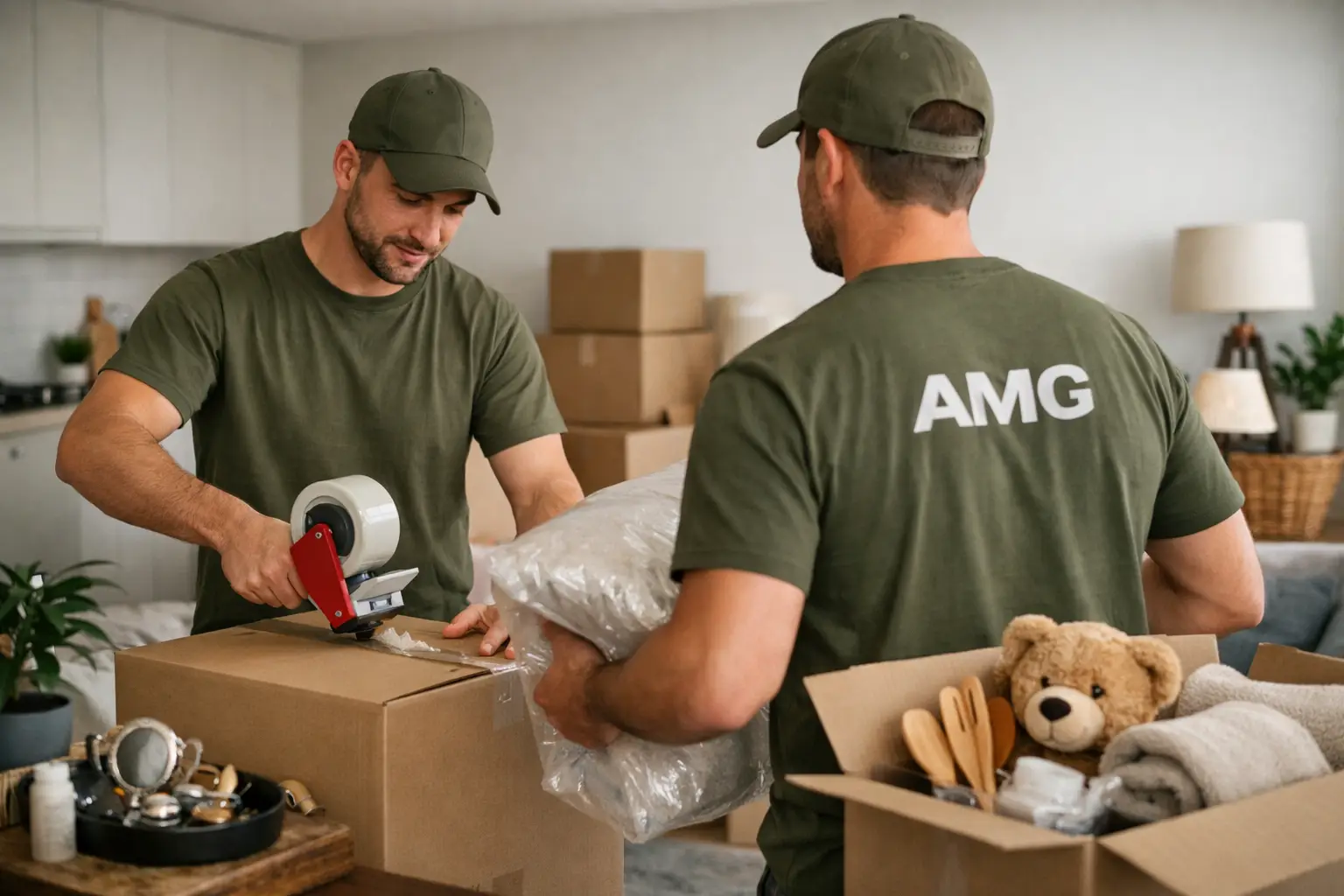
The last boxes are often where a move goes wrong. A drawer full of cables, the cleaning cupboard, a folder of passports, and half-used pantry items can turn an otherwise organised move into a rushed job. So, can movers pack everything? Professional movers can pack most household and office contents properly, but a few categories should never be loaded onto the truck or should remain in your own care.
The difference matters. Packing is not just putting items into cartons. It is about selecting the right carton, protecting fragile surfaces, controlling weight, securing loads in the truck, and avoiding goods that create a safety, legal, or insurance problem. A trained packing crew saves time and reduces risk, but they also need clear boundaries.
Can movers pack everything in a house?
For a normal house move, movers can pack almost all furniture, kitchenware, clothing, books, ornaments, toys, linen, electronics, and garage items that are safe for transport. They can also dismantle suitable furniture, wrap it for protection, and reassemble it at the destination where this has been agreed.
A proper packing service is especially useful for the items people tend to underestimate. Glassware, crockery, artwork, lamps, mirrors, televisions, marble tops, and awkward furniture need more than a few sheets of newspaper. They need suitable wrapping, strong cartons, correct labelling, and safe placement in the truck. Poor packing can create damage before the vehicle has even left the driveway.
That said, “everything” is not a realistic promise from any responsible moving company. Good operators do not accept every item without question just to win a booking. They identify what can be safely packed and transported, explain exclusions before moving day, and protect both the customer and the crew from preventable problems.
What professional movers are well placed to pack
Full-service movers are equipped to handle the bulk of a home or office. They bring furniture blankets, shrink wrap where appropriate, mattress protection, cartons, tape, paper, and the handling knowledge to use them efficiently. This is not the same as asking a couple of casual labourers to load whatever is sitting in the hallway.
Fragile household items
Kitchen and dining items are among the best candidates for professional packing. Plates must be packed on edge, glassware needs individual protection, and cartons must not be overloaded. The same applies to framed pictures, mirrors, decorative pieces, and fragile lamps.
Movers can also prepare televisions and monitors, although original packaging is always useful where available. Cables should be disconnected, labelled, and packed together so the setup at the new property is not a guessing game. If an item is unusually valuable, antique, or delicate, disclose it when requesting a quote so the crew can plan the right protection and handling method.
Furniture and bulky items
Beds, tables, desks, cabinets, lounges, and bookcases generally need wrapping and load restraint rather than cardboard boxes. Large pieces may need partial dismantling to move safely through doorways, stairwells, lifts, or tight accessways.
Heavy and specialty items require an honest assessment before the move. Pianos, spa pools, safes, statues, and stone or marble tables are not standard lift-and-carry jobs. They may need extra movers, specialist equipment, a suitable truck, and a defined access plan. Never assume a heavy item can be handled because it fitted through the door when it was delivered years ago.
Office contents
For office moves, professional packers can prepare desks, chairs, filing cabinets, screens, boxed records, and general equipment. Businesses should nominate a staff member to identify essential files, confidential material, and equipment needed immediately after the move. That keeps the relocation organised without leaving sensitive or operationally critical items mixed into general cartons.
Items movers usually cannot transport
The exact exclusions depend on the moving company, the destination, and transport requirements. However, the following categories commonly need to be disposed of, used up, transported privately, or discussed with the mover well before booking:
- Flammable or hazardous goods, including petrol, gas bottles, solvents, fuels, fireworks, pool chemicals, some paints, and aerosol cans.
- Perishable food, open liquids, and items likely to leak, spoil, attract pests, or create odours in the truck.
- High-value personal items such as cash, jewellery, passports, wills, property documents, prescription medicines, and irreplaceable photographs.
- Illegal goods, weapons, ammunition, and anything that cannot lawfully or safely be carried.
- Loose batteries and damaged battery-powered devices, particularly where they present a fire risk.
These exclusions are not red tape for its own sake. A leaking bottle of cleaner can damage a truck load. A gas bottle or fuel container can put people at risk. A folder containing identity documents can be misplaced during a busy delivery. The sensible approach is to remove these items from the packing area before the crew arrives.
Keep valuables and essential items with you
Even when a company offers a complete packing service, every household should prepare one personal essentials bag or box. Keep it with you in your vehicle, not in the moving truck.
Include medications, chargers, keys, wallets, passports, important paperwork, a change of clothes, basic toiletries, children’s comfort items, and anything needed for the first night. If you are moving with pets, keep their food, leads, bedding, and paperwork close as well. This simple step avoids searching through ten cartons after a long day.
For sentimental items, use judgement rather than relying on a blanket rule. A professional mover can pack family photographs and artwork safely, but a one-of-a-kind heirloom that would cause serious distress if lost or damaged may be better carried personally. The goal is not to distrust the crew. It is to make a sensible decision based on value, fragility, and replaceability.
How to make packing day faster and safer
The best packing crews work efficiently when the home is ready for them. Efficiency matters because wasted time often increases moving costs, particularly on hourly jobs. Before the booking, tell the company about access issues, stairs, narrow driveways, lift bookings, difficult parking, oversized furniture, and any item that needs special handling.
Clear walkways and decide what is staying, going, being donated, or going into rubbish before packing starts. Packers should not have to wait while you decide whether an old cabinet is coming along. If you are packing some items yourself, use strong cartons, avoid excessive weight, and seal and label every box. A carton marked “miscellaneous” tells the delivery crew almost nothing.
It also helps to separate items that must not be packed. Put documents, medications, valuables, hazardous products, and personal bags in one clearly identified area, ideally away from the rooms being packed. Tell the crew directly that these goods are not for loading.
Ask the right questions before booking
A packing service should be clear about scope. Ask whether the quote includes packing materials, carton supply, furniture wrapping, dismantling, reassembly, and unpacking. Confirm which items are excluded and whether specialty goods have been allowed for.
You should also ask who will actually perform the work. Some booking platforms and lead-generation businesses sell a moving job to another operator, leaving customers unclear about who is accountable on moving day. Deal with the company that owns the work, trains its movers, operates suitable trucks, and can answer practical questions about your job.
At Auckland Moving Guys Ltd., the approach is straightforward: assess the load properly, provide trained movers and fit-for-purpose equipment, and make sure customers understand what can travel before the truck is loaded. That is how packing support should work – with preparation, not surprises.
A better way to think about full-service packing
Movers can take a major amount of pressure out of a relocation, including the time-consuming work of packing a whole household. But full service does not mean handing over every item without checking it. The safest move is one where the crew knows what they are handling, the truck contains only transportable goods, and your most important personal items stay under your control.
Set those boundaries early, then let experienced packers handle the work they are trained to do. You will arrive with fewer damaged items, fewer missing essentials, and far less unpacking regret.


0 Comments