
How to Pack a Moving Truck Properly
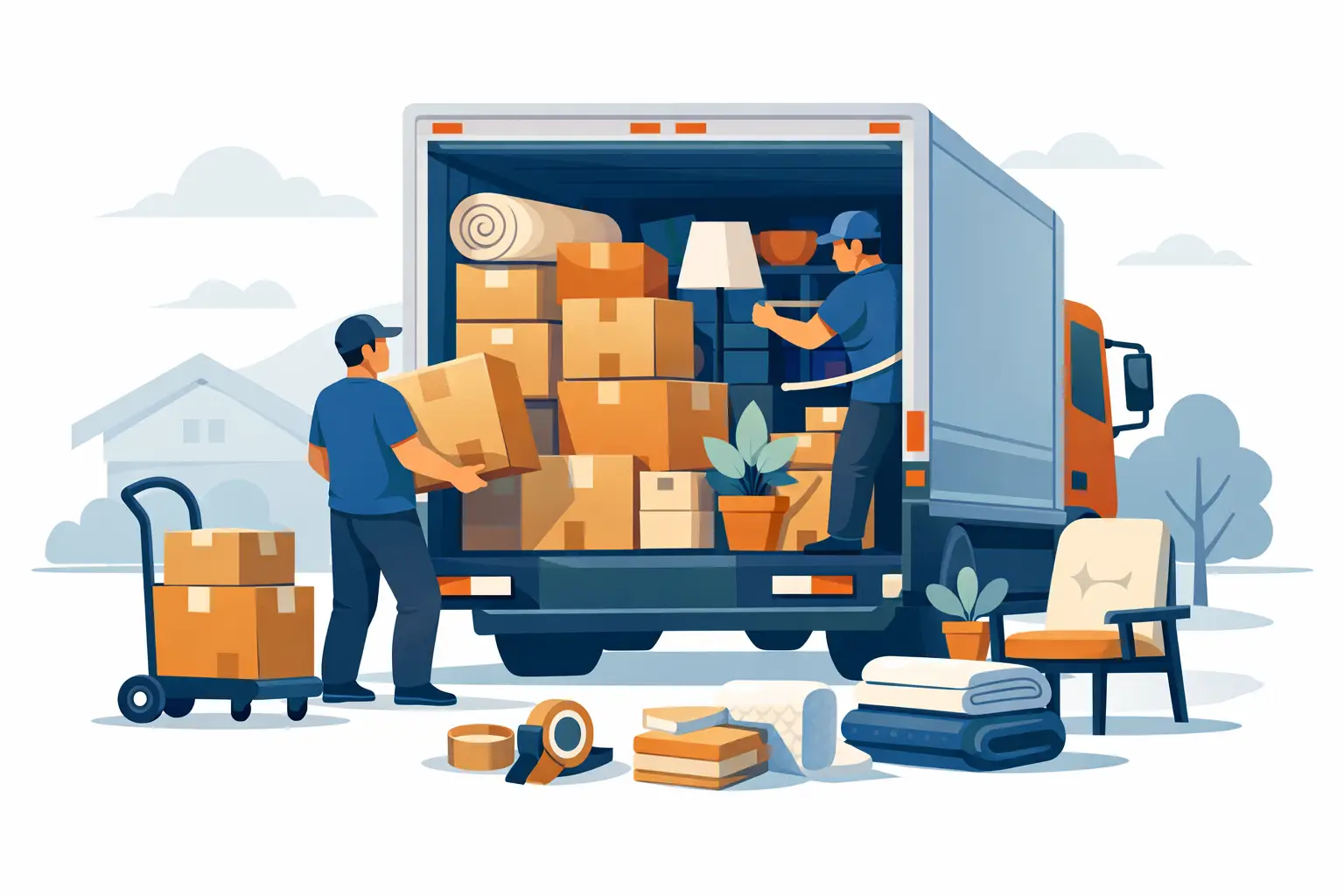
A moving truck can save your move or ruin it. The difference is usually not the truck itself. It is how the load is built, how the weight is balanced, and whether the person packing it understands what shifts, crushes, scratches, or snaps once the truck starts braking and turning.
If you are working out how to pack a moving truck, think less about filling empty space and more about building a stable, secure load. A truck is not a spare room on wheels. It is a moving workspace where poor packing turns into damaged furniture, wasted time, and higher costs if your move is charged by the hour.
How to pack a moving truck without damaging your furniture
The first rule is simple: load heavy, solid, boxy items first. Fridges, washing machines, couches, bed bases, drawers, and packed cartons of books should usually go in before lighter, awkward, or fragile items. These heavy pieces create the base of the load and help stop the rest from shifting.
That does not mean everything heavy gets thrown in at the front. Weight needs to be spread properly across the truck floor. Too much weight on one side affects stability on the road. Too much packed hard against the rear can make unloading difficult and increase movement during transport. The aim is a firm, even load from the front wall backwards, with the heaviest items low and tightly positioned.
Furniture should be prepared before it comes near the truck. Remove loose shelves, empty drawers where needed, bag all screws and fittings, and wrap timber, glass, and polished surfaces properly. If you load unwrapped furniture against other hard items, the damage is already underway before the truck leaves the driveway.
Start with a packing plan, not guesswork
Good truck packing starts inside the house or office. If cartons are scattered, labels are unclear, and fragile items are mixed in with general goods, the truck gets packed badly because the job starts badly.
Set aside essentials, valuables, documents, and anything that should travel separately in your car. Then group the rest by weight, fragility, and room destination. Heavy cartons should be packed small and manageable. Light bulky items can go in larger cartons. If every box is oversized and overfilled, they stack poorly and slow the whole move down.
Flat-pack furniture, mattresses, cushions, and long items like bed slats need their own place in the loading sequence. They are often useful for filling protected gaps, but only after the main structure of the load is built. If they go in too early, they create soft spots that allow heavier pieces to shift.
Build the load from the front wall back
In most truck packs, the front wall is where the load begins. Large appliances and heavy furniture are placed there first, tight and upright where appropriate, then secured. This gives the rest of the load something stable to build against.
Stack cartons in layers, not random towers. Heavier boxes on the bottom, lighter ones on top. Keep the faces square and close together. Gaps are a problem because they allow movement. But not every gap should be crushed shut with force. Some spaces need soft fill, such as cushions, linen, or properly wrapped loose items, so the load stays snug without pressure damage.
Couches can often stand on end if wrapped and packed correctly, but it depends on the type. Some modern frames and recliners should stay in safer positions to avoid stress on joints or mechanisms. The same goes for wardrobes, tallboys, and cabinets. Upright is not always wrong, but it is not always right either. Material, structure, and finish matter.
Protect the weak points
The parts that get damaged in transit are rarely the biggest surfaces. It is the corners, legs, edges, handles, glass panels, and polished faces that wear the cost.
Dining chairs should not be jammed in upside down without protection just because there is room. Marble tops, mirrors, TVs, and artworks need proper wrapping and a secure position, usually upright and cushioned, not laid flat under weight. Mattresses should stay clean and dry. Timber furniture needs moving blankets or suitable padding, not just a thin sheet that slips off halfway through the trip.
If you are moving office furniture, the same principle applies. Desks, monitors, storage units, and filing cabinets need to be packed for transport conditions, not just for carrying. Drawers should be emptied or secured. Loose cables and accessories should be boxed and labelled. A truck pack that looks fine while stationary can become a mess after one roundabout if the contents were never secured properly.
Use tie rails and restraints properly
One of the biggest mistakes people make when learning how to pack a moving truck is assuming a tight load does not need restraints. It does. Even a well-packed truck needs tie-downs at key points to stop forward, backward, and sideways movement.
Straps should secure major sections of the load, not just one random item. If the truck has tie rails, use them. If it does not, that is already a warning sign about the truck setup. Purpose-built furniture trucks are designed to carry household and commercial contents safely. A general freight vehicle or poorly equipped rental may not give you the restraint points or protective gear needed for a proper move.
Restraints should be firm, not crushing. Overtightening can damage furniture just as easily as loose packing can. Appliances, stacked cartons, and delicate sections of the load all need different treatment. This is where experience matters. There is a big difference between owning straps and knowing how to use them.
Leave access for what you need first
A common packing error is loading purely by size and forgetting the order of delivery. If items for the front office, upstairs bedroom, or first stop are buried at the nose of the truck behind everything else, unloading becomes slower and rougher. That costs time and increases handling.
Think through the destination before the truck doors close. Essentials for the first night, frequently needed tools, and any items required for access at the new property should be reachable. For business moves, critical equipment and labelled priority cartons should be easy to identify and unload first.
This is not about leaving half the truck loose for convenience. It is about planning the load so access and stability work together.
What changes with heavy or specialty items
Pianos, safes, spa pools, statues, and stone furniture are not just heavier versions of normal household goods. They change the whole job. Weight distribution becomes more critical, access can be tighter, and the loading method needs to match the item.
For example, a heavy safe loaded badly can damage the truck floor, shift under braking, or create serious injury risk during loading and unloading. A piano needs more than muscle. It needs proper handling angles, equipment, wrapping, and truck placement. With specialty items, the trade-off is straightforward: spending more time on preparation usually saves far more in damage and risk.
That is why many people who are happy to pack their own cartons still bring in trained movers for the truck load itself. It is often the most technical part of the day.
The mistakes that usually cost people money
Overpacking boxes is one. Using weak cartons is another. Loading loose bags, open tubs, and unwrapped furniture into the truck usually ends badly. So does choosing a truck that is too small, which forces a rushed, overstacked pack, or too large, which leaves too much room for movement unless the load is expertly restrained.
Another expensive mistake is assuming all movers pack trucks to the same standard. They do not. Some are trained furniture movers with proper equipment and accountability. Others are labour booked through middlemen who may have little experience, little care, and no real responsibility once something goes wrong. On moving day, that difference shows up fast.
Auckland Moving Guys Ltd. deals with this every week – jobs where people were quoted cheaply, loaded poorly, and left with damaged goods or wasted hours. Cheap loading is rarely cheap by the time the move is finished.
When to do it yourself and when to get help
If you are moving a small flat, using good materials, and have a straightforward load with no fragile or oversized pieces, a DIY truck pack may be manageable. You still need discipline, time, and a proper truck setup.
If you are moving a family home, an office, or anything with difficult access, stairs, long carry distances, or valuable furniture, professional loading usually makes better financial sense. A faster, tighter, safer pack often reduces total labour time and lowers the chance of damage. That matters more than saving a small amount up front.
The goal is not just to get everything into the truck. The goal is to get it to the other end in the same condition, without creating avoidable risk, delay, or cost. Pack for the road, not for the photo, and the whole move tends to go better.



2 Comments
How to Move Office Furniture Without Damage - Auckland Moving Guys Ltd · June 14, 2026 at 3:27 am
[…] loading order matters too. Furniture for the far end of the new office should not be buried behind everything […]
How to Pack Fragile Furniture for Moving - Auckland Moving Guys Ltd · July 28, 2026 at 2:33 am
[…] properly wrapped item can still be damaged in a poorly loaded truck. Fragile furniture should be loaded upright where its structure requires it, secured against […]