
Moving Oversized Furniture Safely at Home
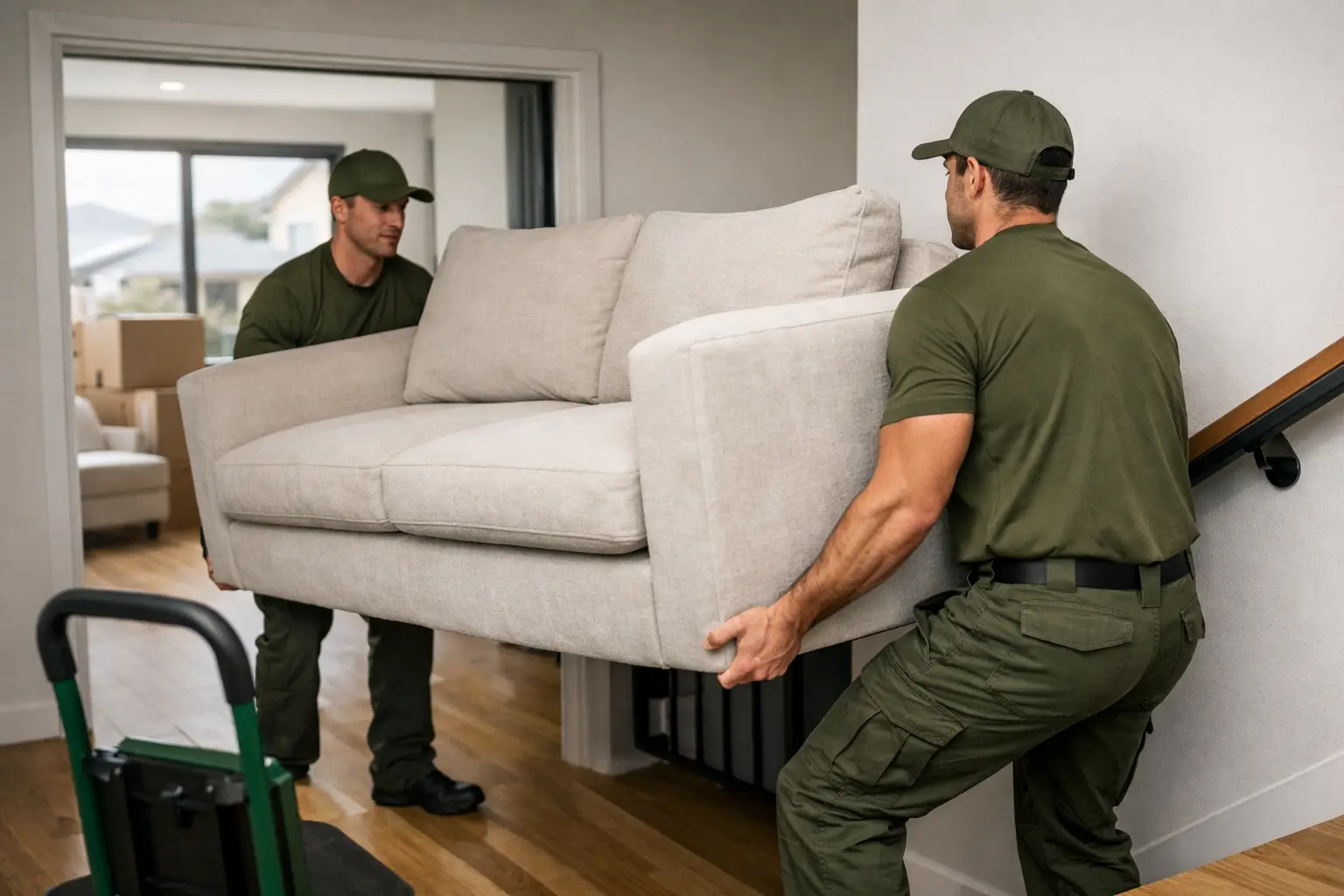
A marble table does not care that it is only moving from one room to another. A piano will not forgive a rushed turn on a stair landing. Moving oversized furniture safely starts well before anyone puts their hands on the item. It starts with an honest assessment of the weight, the access, the people available and the equipment required.
This is where many avoidable damages and injuries begin. A large item may look manageable until it catches a door frame, shifts its balance on a ramp or has to pass through a narrow hallway. The right approach protects the furniture, your walls and floors, and most importantly, the people doing the lifting.
Assess the item and the route before lifting
Measure the furniture at its widest, tallest and deepest points. Then measure every part of the route: doorways, hallways, stairwells, lifts, corners, gates and truck access. Do not assume that an item which entered the property years ago will leave by the same path without issue. Renovations, new flooring, handrails and parked vehicles can change the job.
Weight matters as much as size. A bulky modular sofa may be awkward but reasonably light once separated. A solid timber sideboard, stone dining table or commercial safe can be compact yet exceptionally heavy. These items need different handling plans. Guessing is not a plan, and attempting a lift with too few people usually costs more in repairs, time and risk than arranging suitable help from the outset.
Look for removable components before deciding the item is too large. Doors, legs, drawers, shelves, sofa sections and table bases can often come off, reducing both weight and awkwardness. Keep hardware in labelled bags and tape the bag securely to the relevant item or place it in a clearly marked essentials box. Do not tape directly onto polished timber, leather or delicate finishes.
Check the difficult points, not just the open spaces
The tight turn at the end of a hallway is usually more important than the size of the lounge. The same applies to a steep driveway, a flight of stairs or the distance from the truck to the front door. Consider overhead clearance as well. Tall furniture can strike light fittings, sprinklers, low ceilings or garage doors when tipped upright.
If a route is genuinely unsuitable, a professional moving team may use an alternative access point, mechanical lifting equipment or a different vehicle position. In some cases, dismantling or specialist transport is the sensible answer. Forcing the original plan is not.
Equipment is what makes moving oversized furniture safely possible
Strong people without the right gear are still working at a disadvantage. Purpose-built moving equipment controls the item and protects the property. Furniture blankets prevent rubbing and impact damage, while stretch wrap helps hold padded coverings in place. Corner protection is particularly useful for timber, glass and stone edges.
For heavy pieces, a quality furniture trolley, appliance dolly, lifting straps, ramps and load-rated tie-downs can make the difference between a controlled move and an incident. Equipment must match the job. A small domestic trolley is not suitable for shifting a safe, and household ratchet straps are not a substitute for correctly securing a load in a furniture truck.
Floor protection also deserves attention. Timber floors, tiles and carpet can be marked or torn by dragged legs, grit under furniture pads or a loaded trolley. Use floor runners or boards where required, and never slide a heavy item across a floor because it seems easier than lifting. That shortcut can damage both the furniture and the surface underneath.
Use enough trained hands and a clear lifting plan
Oversized furniture should never be moved by one person trying to prove a point. Even where the item is light enough to lift, its shape may block vision or shift unexpectedly. A controlled team lift needs one person directing the move, clear commands and an agreed place to set the item down if anyone loses grip.
Before lifting, everyone should know which end they are taking, where they are walking and which side will clear the doorway first. Lift from a stable position with the load close to the body. Avoid twisting under weight. If the item needs to turn, the team should stop, reset their footing and move together rather than trying to pivot while strained.
Communication is especially important on stairs. The people carrying the lower end take more of the load, and there is little room to correct a mistake. A stair carry involving a piano, large fridge, safe or stone furniture is not a suitable DIY experiment. These are specialist jobs, often requiring additional crew, stair climbers, lifting systems or a carefully planned alternative route.
Do not confuse a ute with a furniture truck
A ute or trailer can be useful for light, simple jobs, but oversized furniture needs proper protection and secure load restraint. Open vehicles expose furniture to weather, road grime and shifting loads. They also make it harder to load large items at a safe height.
A clean, purpose-built furniture truck has the internal space, anchor points, ramps and protective materials required to carry large items properly. It allows the heaviest pieces to be positioned low and forward, then tied off so they cannot move under braking or around corners. The goal is not simply getting the item into the truck. It is getting it out in the same condition.
Pack and protect each piece for its material
Different materials fail in different ways. Glass and mirrors are vulnerable to point pressure and twisting. Stone can crack if it is carried flat or supported unevenly. Leather can be scuffed by exposed hardware, while polished timber marks easily when blankets slide during transport.
A glass tabletop should be padded, protected at the corners and carried upright where practical. Marble and other stone tops need appropriate edge protection and stable support, with no flex through the middle. Drawers should generally be removed from heavy cabinets to reduce weight, unless their construction means removal compromises the piece. Doors and moving parts should be secured so they cannot swing open during handling.
Avoid wrapping furniture in plastic directly for extended periods, particularly if it is going into storage. Plastic can trap moisture. Use breathable furniture blankets as the primary protection, then use wrap to hold the blankets in place where needed.
Know when a specialist mover is the sensible choice
There is a difference between a large couch and a speciality item with serious consequences if it is mishandled. Pianos, spa pools, safes, statues, commercial equipment and marble tables need a tailored plan. Their weight distribution, fragile components and access requirements can make them unsafe for general labour-only handling.
A professional operator should ask practical questions before quoting: dimensions, estimated weight, photos, stairs, access restrictions, parking and whether the item can be dismantled. If a company gives a confident price without checking any of this, that is a warning sign. Oversized work is not one-size-fits-all, and vague responsibility becomes a problem when something goes wrong.
Auckland Moving Guys uses trained in-house movers, fit-for-purpose trucks and the equipment needed for complex furniture handling. That direct accountability matters. The team booking the work should be the team responsible for protecting the item, rather than a lead-generation middleman passing the job to an unknown contractor.
Prepare the property so the move does not stall
Good access saves time, and time matters on any move charged by the hour. Clear loose rugs, pot plants, toys and boxes from the route. Reserve a parking space as close as possible to the entrance, and check building rules if you are moving from an apartment or commercial premises. Some sites require lift bookings, loading dock access or protection for common areas.
Keep children and pets away from the lifting path. It only takes one unexpected step behind a bulky item to create a dangerous situation. If weather is wet, dry the entry points and use suitable coverings to reduce slips and protect flooring.
For business moves, identify equipment that cannot be tipped, unplugged devices that need specialist reconnection, and items requiring after-hours access. A short site walk-through before moving day can prevent expensive delays.
A careful move is usually the faster move
Rushing oversized furniture is false economy. A few minutes spent measuring, protecting surfaces and assigning the right number of movers can prevent a damaged wall, broken tabletop, injured back or wasted afternoon.
If there is any doubt about the weight, access or handling method, stop and reassess before the lift. The best moving work is controlled, properly equipped and uneventful – exactly how customers want their valuable furniture to arrive.


0 Comments