
Packing Service vs Self Packing: Which Costs Less?
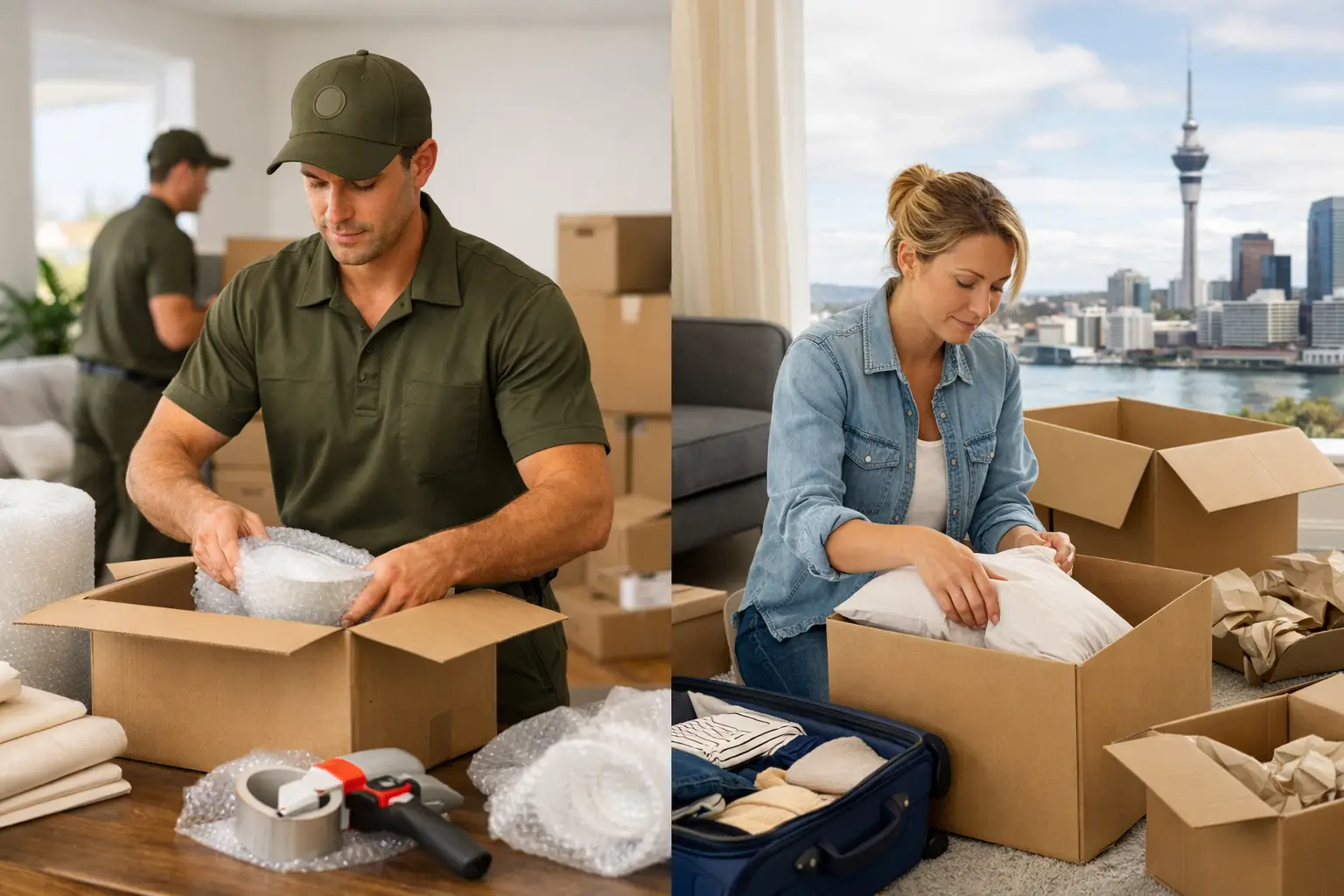
A move can look straightforward until the packing starts. One household can contain hundreds of individual items, from fragile glassware and children’s toys to heavy books, awkward lamps and furniture that needs protecting before it goes near a truck. The packing service vs self packing decision is not simply about paying someone else to use boxes. It is about where you spend your money, your time and your risk.
For some moves, packing yourself is the sensible option. For others, it creates a late-night scramble, poorly protected furniture and a longer moving day that costs more than expected. The right choice depends on the size of the move, the condition of your belongings, the time available and how much preparation you can realistically complete.
Packing service vs self packing: the real difference
A professional packing service means trained movers pack some or all of your household or business contents before moving day. They bring suitable cartons, paper, wrap, tape and furniture protection, then pack items in a way that makes loading, transport and unloading safer and more efficient.
Self packing puts you in control of the process. You decide what goes in each carton, what gets donated or thrown out, and when the work is done. It can reduce your upfront moving bill, particularly for a small flat, a short local move or a household with plenty of time before settlement day.
The problem is that self packing is often priced as if your time has no value and every box will be packed properly. Neither assumption holds true for many busy households. A box that is overloaded, underfilled, unlabelled or held together with weak tape creates problems for everyone on moving day.
When self packing makes good sense
Self packing is a strong option when you have a manageable amount to move and enough lead time to do the job properly. If you are moving from a one-bedroom unit, have already reduced clutter and can pack steadily over two or three weeks, you may not need a full packing crew.
It is also practical when you want complete privacy around personal paperwork, jewellery, sentimental items or collections. Many people prefer to pack these belongings themselves, even when professionals handle the rest of the house.
The key is to be honest about the workload. Packing a kitchen alone can take far longer than expected. Plates, mugs, pantry goods, appliances and glassware need to be sorted, wrapped and packed into cartons that can be lifted safely. Bedrooms add linen, drawers, wardrobes and items you have not looked at since the last move.
Self packing works best when you follow a simple system. Use proper moving cartons rather than worn supermarket boxes. Keep heavy items in small boxes, use larger cartons for lighter bulky goods, fill empty spaces so contents cannot shift, and label every carton by room and broad contents. Do not make boxes so heavy that one person cannot safely lift them.
The hidden cost of packing your own home
Buying boxes and tape is only part of the cost. The larger cost is often time. People commonly leave packing until the final few days, then lose evenings and weekends to a job that needs more attention than they expected.
That pressure leads to rushed decisions: loose items tipped into boxes, furniture left unprotected, liquids packed carelessly, drawers left full of heavy objects and cartons with no labels. These shortcuts can cause damage, delays and confusion at the other end.
Poor packing can also increase a time-based moving cost. Movers may need to repack weak cartons, protect items that were left exposed, separate unsafe loads or wait while customers finish last-minute packing. A well-prepared home lets the crew focus on moving. A half-packed home turns the job into packing, problem-solving and moving all at once.
There is also the physical cost. Packing requires repeated lifting, bending, carrying and working around clutter. It is easy to strain a back while moving boxes of books, or damage a dining chair by trying to wrap it with unsuitable material on the morning of the move.
What a professional packing service does differently
Professional packers do not just put belongings into cartons quickly. The value is in the method. Fragile items are wrapped and packed to minimise movement. Cartons are selected for the job. Furniture is protected for transport, not merely covered to keep dust off it. The crew also understands how items will be stacked in a furniture truck and what protection they need before loading begins.
This matters most for kitchens, glass cabinets, artwork, mirrors, electronics, large televisions and furniture with easily marked surfaces. A marble table, piano, safe or spa pool requires specialised handling well beyond normal household packing. Trying to save money by treating these items as ordinary freight is rarely a sound decision.
A packing service can be full or partial. A full pack is suited to larger homes, families under time pressure, office moves and customers who need the house ready quickly. A partial pack is often the better-value choice when you are comfortable packing clothes, books and everyday items but want trained people to handle the kitchen, fragile belongings and furniture protection.
Professional packing also creates a clearer handover on moving day. The home is organised, cartons are ready to load, and the moving crew can work through the property in a logical order. That helps protect belongings and keeps the job moving at a sensible pace.
Is a packing service worth the extra cost?
It depends on what you are protecting and what your time is worth. A packing service has an upfront cost, but it can be good value when it prevents a rushed move, reduces the chance of damage or avoids an extra day away from work.
Consider a professional service if your move involves a large family home, a tight settlement deadline, young children, limited mobility, valuable or fragile furniture, or an interstate or intercity journey. The longer the transport route, the more important proper carton strength and furniture protection become. A box may survive a short trip across Auckland despite poor packing. It may not fare as well through a longer North Island move with loading, travel and unloading involved.
It can also be worthwhile when you are moving an office. Commercial packing needs careful labelling, secure handling of equipment and a practical plan for getting staff operational again. Lost cables, mixed-up files and unmarked cartons waste productive time after the truck has left.
On the other hand, a professional pack may be unnecessary for a lightly furnished rental where most items are durable, you have several weeks to prepare and the move is local. Paying for help you do not need is no better than cutting corners where protection is required.
A practical middle ground: pack some, outsource the risky parts
Many customers get the best result by dividing the work. Pack personal clothing, books, toys and non-breakable household items yourself. Leave fragile kitchenware, artwork, mirrors, electronics and furniture wrapping to experienced packers.
This approach gives you control over personal belongings while reducing the parts of the move most likely to go wrong. It also makes budgeting more straightforward. Rather than treating packing as an all-or-nothing decision, use professional labour where it has the greatest impact.
If you choose this route, agree on the scope before the day. Identify what the packers will handle, what you will have ready, and any items requiring special care. Tell the moving company about access issues too, such as narrow stairs, lifts, limited parking, long carries or heavy items that cannot be safely moved by a standard two-person crew.
How to decide before booking your move
Ask yourself a few direct questions. Can you pack the entire property without rushing? Do you have proper cartons and protective materials? Are there fragile, high-value or oversized items involved? Will a delayed or disorganised move cost you more in hourly labour, accommodation or missed work? And are you physically able to do the lifting and preparation safely?
If the answer to several of these is no, a packing service is probably not a luxury. It is a practical way to control risk and keep the move on track.
The standard to look for is not simply someone willing to pack boxes. Choose a direct moving operator with trained staff, clean purpose-built trucks, appropriate equipment and clear responsibility for the work. Auckland Moving Guys Ltd. takes that hands-on approach because moving day is not the place for untrained labour or a booking platform passing responsibility elsewhere.
Give yourself permission to make the sensible call. Pack what you can do properly, get experienced help for the work that carries real risk, and start early enough that your new home begins with organised cartons rather than a week of avoidable chaos.


0 Comments