
Can Movers Move a Spa Pool? What It Takes
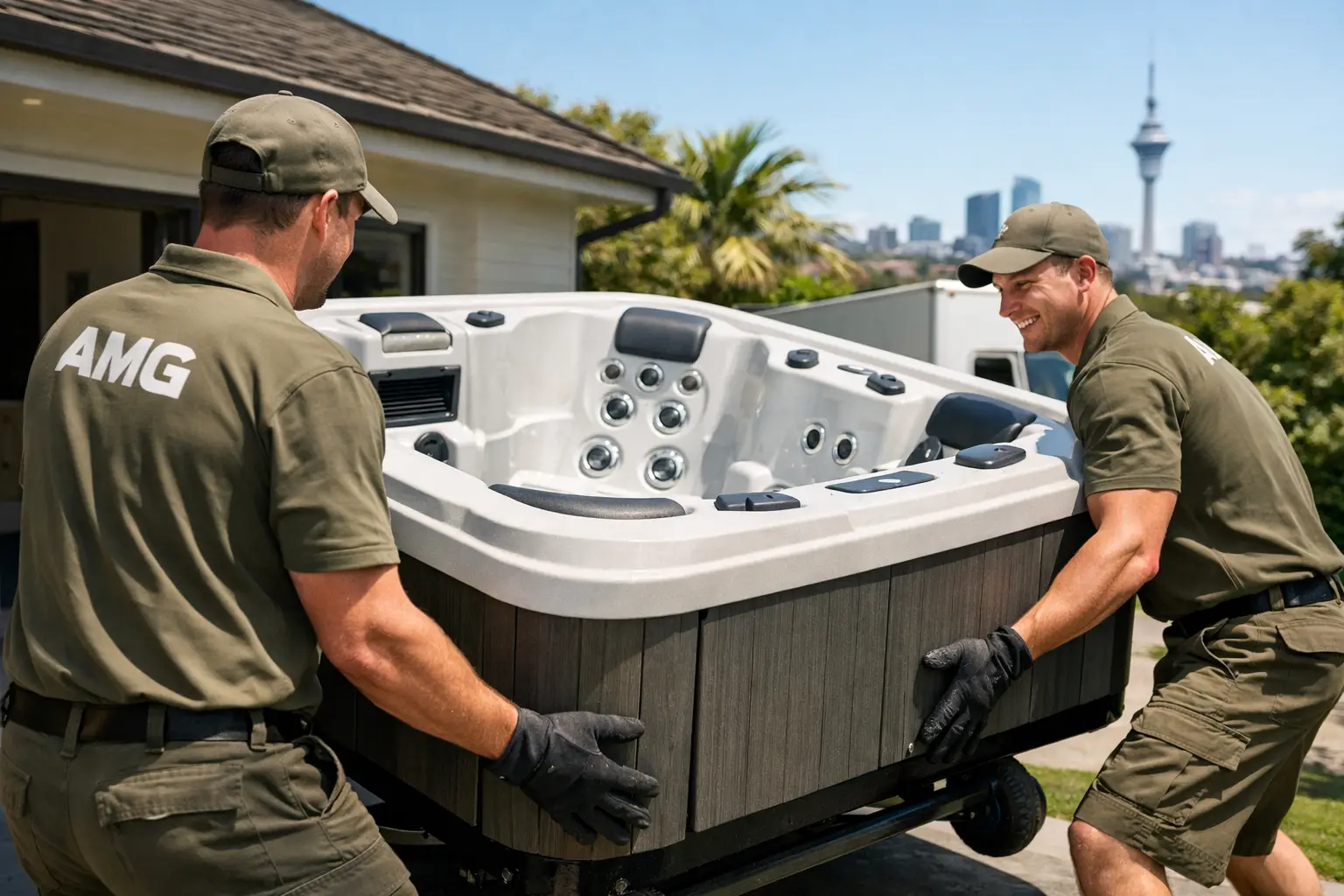
A spa pool is not just another large item to put on the truck. It is heavy, awkwardly shaped, easily damaged if handled incorrectly, and often sitting in the hardest part of the property to reach. So, can movers move a spa pool? Yes, trained movers can, but only after assessing the pool, the access, the lifting method and the destination properly.
The wrong approach can crack the shell, damage the cabinet, tear up paving, injure people or turn a planned move into an expensive recovery job. This is why a professional mover should ask detailed questions before quoting, rather than promising a quick job over the phone without understanding the site.
Can movers move a spa pool safely?
A competent moving crew can transport many spa pools safely, provided the job is within the crew’s equipment and handling capability. The key word is many. A small to mid-sized portable spa with clear, level access is very different from a large swim spa recessed into a deck or positioned behind a narrow house.
Spa pools are usually moved empty and on their side, using purpose-built dollies, lifting straps, protective padding and a suitable furniture truck. The crew needs enough trained people to control the load at every point, especially when turning corners, negotiating slopes or loading it into the truck.
A professional assessment considers more than the dry weight listed by the manufacturer. The shape of the spa, its centre of gravity, fragile plumbing connections, cabinet condition, terrain and available working space all affect the plan. A spa that looks manageable from the driveway may need a completely different solution once the rear access is inspected.
Not every removalist is equipped or trained for this work. A general labour crew with a rented truck and no proper moving gear is not a sensible choice for an item that can weigh several hundred kilograms before anyone starts lifting.
What determines whether your spa pool can be moved
Access is normally the deciding factor. Before a move, measure the narrowest point from the spa’s current position to the truck, including gates, side passages, eaves, steps, corners and overhead lines. Do not assume a gate opening is enough. Movers also need room to turn, tilt and safely control the spa.
The route underfoot matters just as much. Flat concrete is straightforward compared with loose gravel, wet grass, timber stairs or a steep section of driveway. A short route with poor footing can be more difficult than a longer route around the house.
The following details should be supplied when requesting a quote:
- the spa’s make, model and approximate dimensions
- clear photos of the spa and the full access route at both addresses
- gate widths, stair numbers, tight corners and slopes
- whether the spa is freestanding, built into decking or located below ground level
- the distance from the spa to where the truck can park
- any access restrictions, including shared driveways, busy roads or body corporate rules
Photos taken from several angles are useful because they show what measurements can miss. A low roofline, a sharp turn around a fence or a soft lawn after rain can change the job significantly.
When a crane or specialist lift is required
Sometimes the pool cannot safely travel through or around the property. If it is boxed in by buildings, installed over a retaining wall, on a balcony, or behind very narrow access, a crane or other specialist lifting arrangement may be necessary.
That does not mean the move cannot happen. It means the job needs coordination, suitable lifting equipment, competent operators and a clear plan for traffic management or site access where required. Trying to force a spa through an unsuitable passage is not a cheaper alternative. It is how pools, homes and people get damaged.
Large swim spas, concrete spas and permanently installed units may also sit outside the scope of a normal furniture-moving service. These jobs can require a specialist spa contractor, crane company or installer. An honest mover will tell you this upfront rather than taking on a job they cannot execute safely.
Preparing a spa pool for removal
Your spa should be completely drained before the movers arrive. Allow enough time for this, as water left in the plumbing or base adds weight and can leak during transport. Once drained, the power must be isolated by a qualified electrician if disconnection is required. Electrical work is not a moving job.
Remove loose items such as the cover, steps, filters, headrests and accessories. Keep them together and label anything that needs to return with the spa. A cover is light but awkward, so it should be protected rather than folded or jammed around other furniture.
If the spa is connected to fixed plumbing, gas or a hard-wired electrical supply, arrange qualified tradespeople to disconnect it before moving day and reconnect it at the new property. The moving crew can transport the spa, but they should not be asked to alter services outside their trade and authorisation.
It is also worth cleaning and drying the shell. This helps avoid water marks, mildew and grime being transferred to blankets, the truck or the new site. Check the cabinet for pre-existing cracks or loose panels and photograph its condition before the move. Clear records protect everyone if there is later confusion about existing damage.
How professional movers protect the spa and your property
Good spa pool moving is controlled work, not brute force. The pool should be wrapped or padded where appropriate, secured with the right equipment and kept stable while being tipped, rolled and loaded. The truck needs enough internal space and secure tie-down points so the spa cannot shift in transit.
Protection extends to the property as well. Depending on the access, movers may use floor protection, boards over vulnerable ground, corner protection and careful placement of dollies. The crew should communicate before each difficult stage instead of having one person call instructions while others are already carrying the weight.
At the destination, the base must be ready before the truck arrives. A spa pool needs a level, properly supported surface designed for its filled weight. Movers can position the spa where access allows, but they cannot make an inadequate deck, uneven pavers or soft ground suitable for a full spa.
This matters because a pool that is placed in the wrong location may have to be moved again before it is filled. Taking a few minutes to confirm its final orientation, service access and cover clearance can save a great deal of effort later.
Why the cheapest quote can become the costly option
Spa pool moves are often quoted case by case because no two properties are the same. The number of movers, access difficulty, travel distance, equipment requirements and whether a crane is involved all affect the price.
A very cheap price can be a warning sign if no one has asked for photos, measurements or details about the route. It may mean the crew arrives unprepared, adds charges on the day, or attempts a lift with too few people and unsuitable gear. Neither outcome protects your property or your budget.
Ask who will physically carry out the work, what equipment they use, whether the truck is suitable for heavy specialty items and what happens if the proposed route is unsafe. Direct answers matter. A booking platform or lead generator may sell the job, but it is the actual crew on your property who must manage the risk.
At Auckland Moving Guys Ltd., spa pool transport is approached like any serious specialty move: assess first, plan the handling method, provide the right crew and equipment, and do not gamble with a customer’s property to save a few minutes.
Plan early for a safer move
The best time to solve a spa pool access problem is before moving day, while there is time to organise disconnection, improve access or arrange specialist lifting. Send clear photos, be upfront about tight areas and make sure the new base is ready. A properly planned spa move is far less stressful than discovering halfway through the job that the pool will not fit through the gate.



0 Comments