
Business Moving Guide for a Controlled Relocation
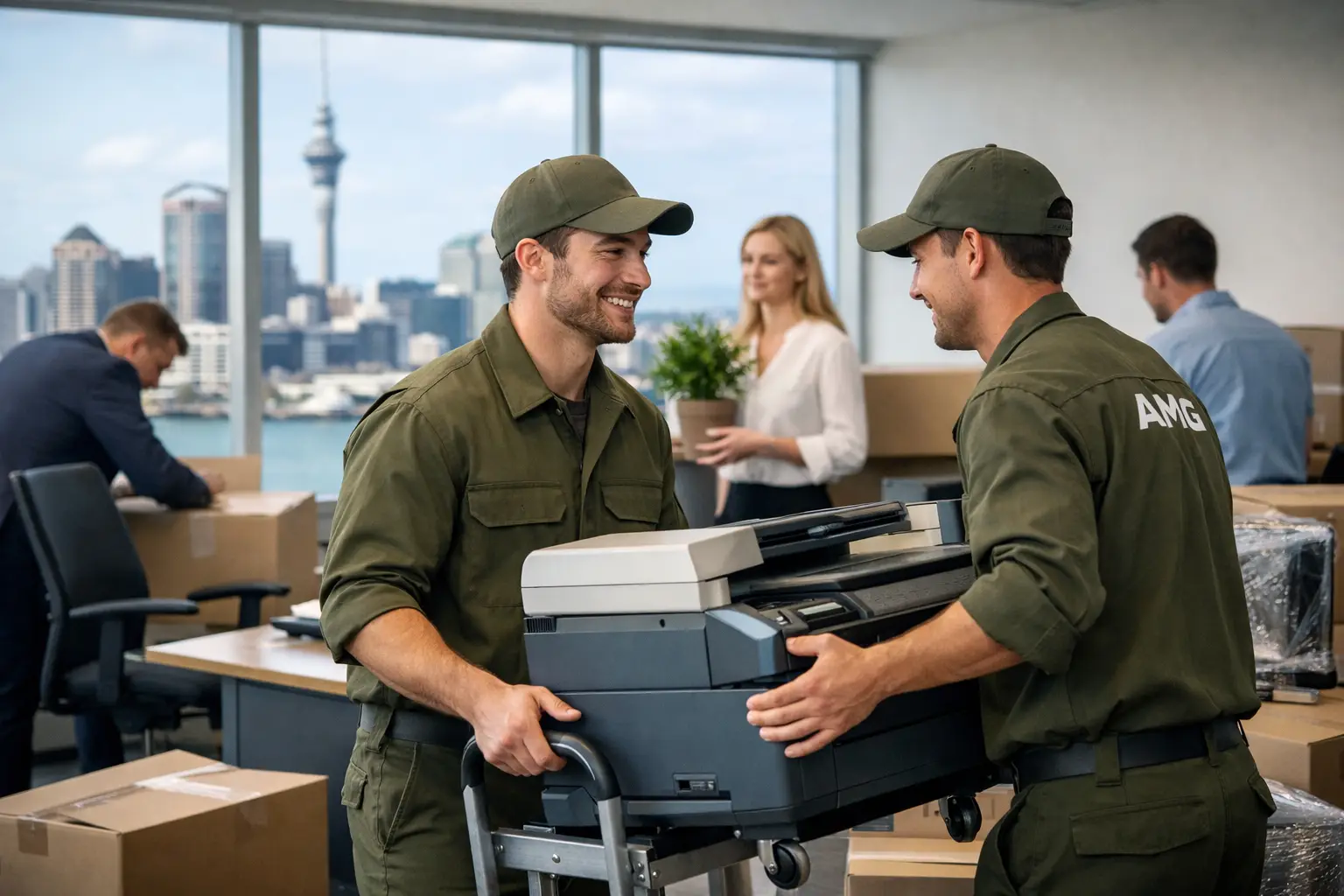
A business move is not just a change of address. It is a live operational project involving people, customer information, IT equipment, furniture, access rules and deadlines that do not move simply because the desks do. This business moving guide is built for Auckland businesses that want the job handled with proper planning, trained movers and clear responsibility from first carton to final placement.
The cheapest quote can become the most expensive choice when a move runs late, workstations are damaged, lift access is missed or staff arrive at the new premises without working equipment. A controlled move protects your assets and gets your team back to work sooner.
Start the business moving guide well before moving day
For a small office, begin planning at least four to six weeks ahead. Larger sites, multi-floor offices, medical rooms, retail premises or relocations involving specialised equipment may need several months. The point is not to create paperwork for its own sake. Early planning gives you time to identify risks that cannot be fixed on the truck.
Nominate one internal move coordinator with authority to make decisions. Movers need one reliable contact for access, last-minute instructions and sign-off, rather than competing directions from several departments. That person should also coordinate with the building manager, IT provider, landlord and any suppliers whose services need to change over.
Walk through both premises before accepting a moving plan. Check loading zones, truck height restrictions, stairs, lifts, corridors, door widths and parking permits. In central Auckland, loading access can be tightly timed. A truck that cannot legally or safely wait outside the building creates delays, and delays increase hourly costs.
A proper site assessment should also identify items that need special handling. Large boardroom tables, compactus units, safes, display cabinets, commercial fridges, artwork and heavy machinery are not standard furniture. They may require extra labour, protection, lifting equipment or a different transport plan.
Build an accurate inventory, not a rough estimate
A vague instruction such as “move our office furniture and a few boxes” is how surprises start. Create a practical inventory by room or department. Include desks, chairs, filing cabinets, shelving, monitors, printers, meeting-room furniture, stock, archive boxes and kitchen items. Note anything staying, being disposed of, going into storage or requiring secure disposal.
Tagging furniture and cartons by destination makes a major difference at the other end. Use a clear location code for each item, such as Level 3, Sales, Desk 14 or Meeting Room B. Place the code on the top and side of cartons so it can be read when stacked. Give the moving crew a floor plan showing where major items belong.
This is particularly valuable when staff are not present during unloading. Without a plan, movers can only place items where they are told at the time. That often leads to double-handling, blocked walkways and wasted time rearranging furniture after the truck has gone.
Protect data, equipment and confidential material
Commercial moves have risks that a household move does not. Computers, servers, client files, staff records, financial documents and medical or legal material need a documented chain of custody. Decide in advance who is responsible for disconnecting, packing, transporting and reconnecting each category.
Your IT provider should manage server shutdowns, backups, network equipment and reconnection. Do not assume a furniture moving crew will disconnect technical equipment unless that service has been specifically agreed. Movers can carefully transport packed and prepared devices, but technical disconnection belongs with qualified IT personnel.
Before moving computers, make sure essential data is backed up and that every device is labelled to match its desk or department. Pack monitors in suitable cartons with protective materials, not loose in a vehicle with chairs and filing cabinets. Printer trays, removable shelves and cables should be secured separately and labelled clearly.
For confidential files, use sealed, numbered crates or cartons and maintain a record of what is being moved. If documents are no longer required, arrange secure destruction before the move. Transporting unnecessary archives costs money and creates another point of risk.
Choose movers who are accountable for the work
A commercial relocation is not the place for a booking platform that passes your job to an unknown operator. You need to know who is arriving, what truck they are bringing and who takes responsibility if something goes wrong.
Ask direct questions before booking. Are the movers trained in-house? Is the company properly licensed for commercial transport? Are the trucks clean, purpose-built furniture vehicles with appropriate tie rails, blankets, trolleys and securing equipment? Can they inspect the site and quote complex work properly rather than guessing over the phone?
Experience matters because commercial buildings present practical problems: limited loading docks, lift bookings, tight turns, building protection requirements and time restrictions. A professional crew works methodically, protects furniture and premises, and avoids the careless handling that causes damage and delays.
Auckland Moving Guys uses trained crews and fit-for-purpose furniture trucks because moving a business is not simply loading items quickly. It is loading them securely, delivering them in the right order and protecting the time your business cannot afford to lose.
Plan the move around downtime, not convenience alone
A Friday afternoon move may sound sensible, but it depends on when your IT systems, phones and access controls can be operational at the new site. If staff need to work Monday morning, leave enough time for unloading, desk placement, IT setup and solving the inevitable small issues.
Many businesses benefit from a staged relocation. Non-essential archives, surplus furniture and storage items can move first. The main operational equipment can then move after hours or over a weekend. This approach may cost more in coordination, but it can sharply reduce disruption to revenue-producing work.
Book building lifts, loading bays and security access in writing. Confirm whether protective coverings are required for lift interiors, foyers or footpaths. Some buildings also require certificates of currency, induction forms or a bond before movers can start. These requirements are not minor details. Missing one can stop a crew at reception.
Keep staff out of the main loading and unloading path. They can pack personal items and label their workstations, but too many people moving around the crew slows the work and raises safety risks. Give employees a clear deadline for packing, then let the movers do their job.
Pack for speed, safety and a clean restart
Good packing is not about filling every carton until it will not close. It is about stable loads that can be carried safely and placed where they belong. Use strong cartons, packing paper, tape and labels designed for moving. Weak supermarket boxes and overloaded archive cartons are false economies.
Keep each carton to a manageable weight. Books, files and dense stock should go into smaller cartons. Lighter items can use larger cartons. Empty drawers where practical, especially in desks that may need to be carried upstairs or through narrow spaces. Lockable filing cabinets should be locked, with keys held by the move coordinator.
Pack a first-day box for the new premises. It should include keys, access cards, chargers, basic tools, tea and coffee supplies, cleaning items, toilet paper, stationery and a printed contact list. It sounds simple, but these are often the items people need before the cartons have been unpacked.
Control the final handover
At the old premises, complete a final walkthrough after loading. Check cupboards, storage rooms, kitchen cabinets, bathrooms, server spaces and loading areas. Photograph the condition of the site if required by your lease, and return keys or swipe cards according to the agreed process.
At the new premises, have the move coordinator check that major furniture, labelled cartons and essential equipment have reached the correct areas. Do not expect every desk to be fully operational before the crew leaves, but confirm that the items needed for the next working day are present and accessible.
Keep a small contingency in both time and budget. A building delay, unexpected lift restriction or furniture item that will not fit through a doorway can happen even on well-managed jobs. The difference between a stressful move and a controlled one is having the right people, equipment and decisions ready when it does.
A business relocation should leave your team ready to work, not sorting through avoidable problems. Plan early, insist on clear accountability and treat professional moving as protection for your assets, your staff and your operating time.



0 Comments