
Office Furniture Removals Done Properly
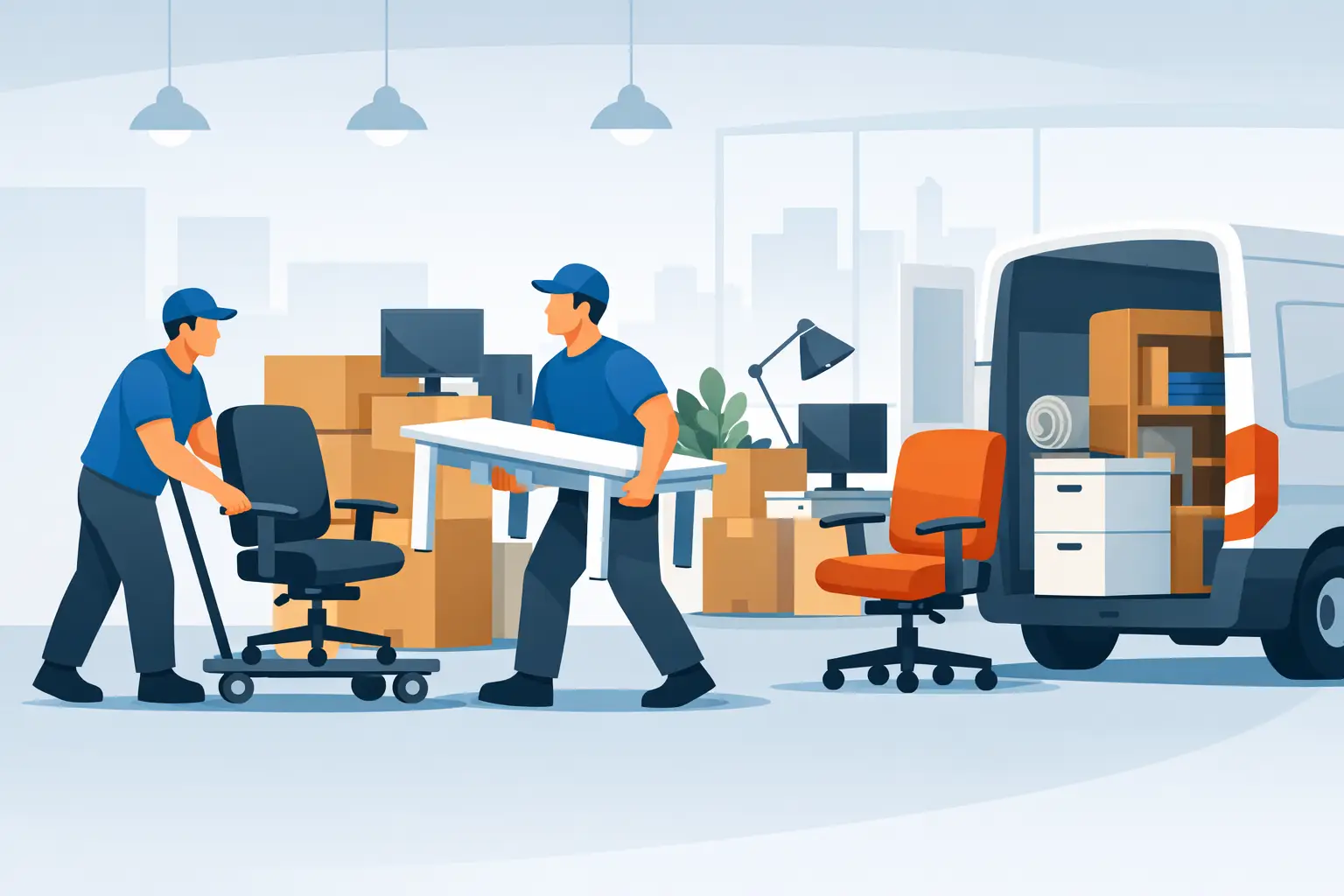
An office move usually goes wrong before the truck even arrives. Desks are still full, cables are tangled, someone assumes the lift is booked, and the cheapest quote turns out to be a bloke with a van and no clear responsibility if anything is damaged. That is why office furniture removals need more than muscle. They need planning, trained handling, suitable equipment and a team that understands that every wasted hour costs your business money.
For most businesses, the real pressure is not just getting furniture from one address to another. It is keeping disruption under control. Staff still need to work, IT needs to reconnect fast, and the new space needs to function from day one. If the move is handled badly, you wear the cost twice – once in moving fees and again in lost productivity, delays and damaged items.
What office furniture removals actually involve
A proper office move is rarely just a line of desks and a few chairs. There are workstations, meeting tables, filing cabinets, reception furniture, storage units, monitors, printers and awkward items that do not fit neatly through standard doors or into passenger lifts. Then there is the layout issue. Furniture often has to come apart, travel safely, and be placed in the right area at the other end so your team is not left rebuilding the office around a pile of parts.
This is where experience matters. An office mover should know how to handle modular furniture, protect finished surfaces, manage tight access, and load in a way that keeps the unload efficient. A clean, fit-for-purpose truck also matters more than many businesses realise. Dirty cargo areas, poor tie-down practices and rough stacking can turn a straightforward relocation into a damage claim.
There is also a practical difference between movers who do the work themselves and businesses that simply sell your job to whoever is available. Middlemen often look tidy on paper, but when there is confusion on the day, accountability gets thin very quickly. If you are trusting someone with your office furniture, keys, building access and schedule, you want to know exactly who is showing up.
Why cheap office furniture removals can cost more
Businesses often compare quotes on price first. That is understandable, but office relocations are one of those jobs where the lowest number can become the highest final cost.
An undertrained crew works slower. A poorly packed truck leads to damage. The wrong vehicle means extra trips. A team that turns up without the right trolleys, blankets, straps or basic disassembly tools loses time at every stage. If you are paying by the hour, inefficiency is not a minor issue. It is the bill.
There is also the cost of disruption. If staff are standing around waiting for access, if key furniture lands in the wrong rooms, or if damaged desks need replacing, the quote you were pleased with stops looking like value for money. Good movers protect your time as much as your furniture.
That is why serious operators put so much emphasis on training, truck setup and process. It is not window dressing. It is how the move stays controlled.
How to plan office furniture removals without blowing out downtime
The best office relocations are planned backwards from the first working hour in the new premises. Start with that deadline, then map the practical steps required to make the space usable.
Furniture inventory comes first. You need a clear view of what is moving, what is being replaced, what needs disassembly and what has special handling requirements. Oversized boardroom tables, glass-top furniture, compactus units and heavy cabinets should be identified early, not discovered halfway through loading.
Next comes site access. Confirm lift bookings, loading zones, stair access, building restrictions and after-hours rules at both ends. A skilled moving team can handle tight conditions, but they should not be blindsided by them. Time lost waiting for a loading dock or arguing with building management is still time on your move.
Internal labelling also makes a bigger difference than people expect. If every desk, chair and cabinet is labelled by team or destination area, the unload is faster and far less chaotic. Without that system, the new office becomes a sorting yard.
If your business cannot tolerate a full-day shutdown, staged moving may be the better option. Some offices move in sections, with storage furniture or archived materials first, then workstations, then shared spaces. It depends on your layout, staffing needs and lease timing. There is no one-size-fits-all answer, which is another reason generic booking platforms struggle with commercial jobs.
The equipment side of office furniture removals
There is no shortage of people willing to call themselves movers. The difference shows up in the equipment.
Office furniture should be moved in trucks set up for furniture transport, not whatever vehicle happened to be free that morning. Proper tie rails, moving blankets, straps, dollies and protective materials are basic requirements. For heavier items, the crew should also have the right handling aids and enough trained hands to move them safely.
Disassembly and reassembly can also affect the speed of the move. Many office desks and workstations are not designed to be dragged through doorways fully built. Taking them apart correctly avoids damage and makes transport safer, but it only helps if the team keeps components organised and can put everything back together properly.
The same applies to specialty pieces. Stone tables, safes, statues and other heavy or fragile commercial items need planning, not guesswork. If a mover treats those pieces like standard furniture, that is a warning sign.
What to ask before you book
A business booking office furniture removals should ask direct questions and expect direct answers. Who actually performs the move? Are the movers trained in-house or subcontracted? Is the truck designed for furniture transport? What experience do they have with offices of your size and layout? How is access handled if there are lifts, stairs or restricted loading times?
You should also ask how they approach hourly efficiency. A professional team should be able to explain how they reduce wasted time through truck setup, crew coordination and move sequencing. Vague promises are not enough. If a company cannot talk clearly about process, they may not have one.
Insurance and licensing matter too, but they should not be used as a substitute for competence. Plenty of problems happen well before a claim is ever discussed. The better question is how the mover works to avoid damage in the first place.
Why trained movers matter more in offices than people think
Home moves and office moves overlap, but they are not identical. Offices bring tighter timeframes, more access restrictions, more repetitive furniture systems and stronger consequences when the job runs late.
A trained office crew understands how to keep the move flowing. They know how to protect wall corners and entry points, how to move cabinets without tipping risk, and how to stack truck loads so the right items come off in the right order. They also understand that professionalism matters in a business setting. Turning up on time, communicating clearly and working in a disciplined way is part of the service.
That is especially relevant for small and mid-sized businesses. You may not have a facilities department running the whole show. Often the office manager, owner or admin team is juggling the move alongside everything else. In that situation, you do not need more uncertainty. You need movers who can take instructions, solve practical issues and get on with the job.
Auckland Moving Guys Ltd. works in that no-nonsense way because commercial clients do not need sales spin. They need capable people, proper trucks and a clear line of accountability.
Good office furniture removals protect more than furniture
The obvious goal is getting desks, chairs and cabinets to the new site without damage. The bigger goal is protecting business continuity. A well-run move keeps staff disruption down, avoids preventable replacement costs and gives you a workable office at the end of the day, not a mess to sort out tomorrow.
That takes more than a quote form and a truck booking. It takes real-world moving experience, suitable equipment and a crew that treats time, access and furniture care as connected issues rather than separate tasks.
If you are planning an office move, the smart question is not just who can carry the furniture. It is who can do it properly, with the least risk to your time, your fit-out and your business. That is the standard worth paying for.

1 Comment
How to Pack a Moving Truck Properly - Auckland Moving Guys Ltd · June 12, 2026 at 3:01 am
[…] you are moving office furniture, the same principle applies. Desks, monitors, storage units, and filing cabinets need to be packed […]