
Best Way to Move Sofas Without Damage or Delay
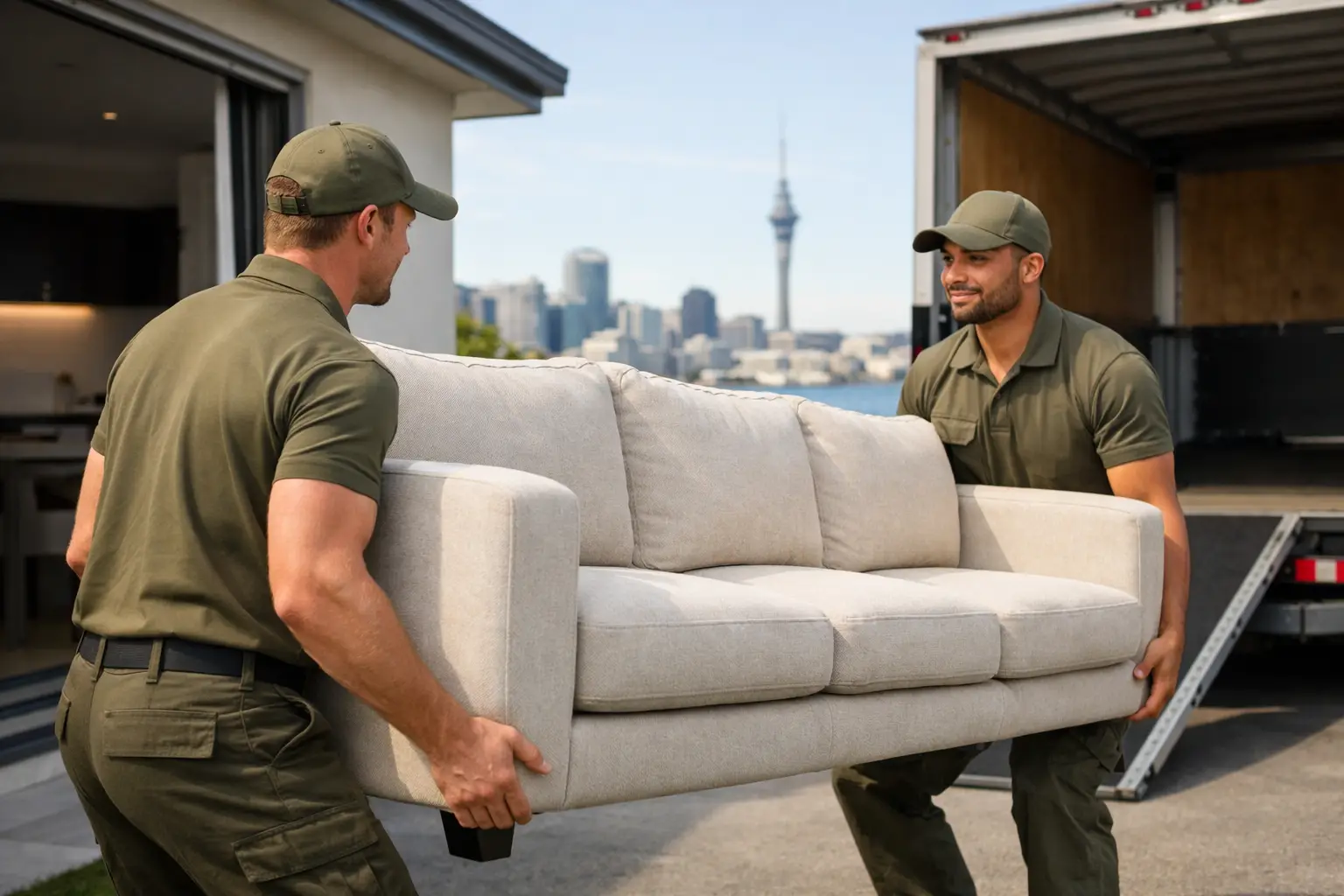
A sofa can be the item that turns a straightforward move into a costly problem. It is bulky, awkward through doorways, easy to mark, and often heavier than it looks. The best way to move sofas is not to simply get more people behind it. It is to plan the access, protect the upholstery and frame, use controlled lifting techniques, and know when a professional furniture crew is the sensible choice.
A rushed sofa move is where ripped fabric, damaged legs, scuffed walls and injured backs tend to happen. Taking ten minutes to assess the job before the sofa leaves the room can save hours of delays and an expensive repair afterwards.
Start by Measuring the Sofa and the Access
Before moving anything, measure the sofa at its widest, deepest and tallest points. Then measure every part of the route it needs to travel: internal doors, hallways, stairwells, lifts, entranceways, gates and the truck loading area. Do not assume a wide front door solves the problem. A tight turn in a hallway or low stairwell can be the real obstacle.
Remove cushions and loose throws first. They make the sofa lighter, prevent items slipping out during carrying, and let you inspect the frame and upholstery for existing marks. Take clear photos before the move, particularly if the sofa is high-value, newly purchased or being moved into storage.
It also pays to check the destination before moving day. Auckland homes can have narrow side access, steep driveways and flights of stairs that are not obvious from the street. For apartment moves, confirm lift dimensions, booking requirements and loading-zone access with building management. A truck waiting while access is sorted out is wasted time, especially on an hourly job.
The Best Way to Move Sofas Through Tight Spaces
Most standard sofas travel best on their side or end, rather than flat. This reduces their width and can make a difficult doorway workable. However, the right position depends on the sofa design, room layout and the clearance available. Recliners, sofa beds and modular pieces need extra attention because their mechanisms and joins can be damaged if the weight is carried incorrectly.
A proper team agrees on the route and commands before lifting. One person should guide the movement and call stops, turns and height changes. The carriers should lift together, keep the load close to their body, and move at a controlled pace. Trying to turn a sofa while one person is guessing what the other is doing is how walls get gouged and arms get trapped.
Never drag a sofa across carpet, timber flooring or tiles. Dragging puts pressure on legs and joints, can tear the underside fabric, and may scratch the floor. Lift it clear, or use suitable furniture sliders where the surface and sofa base allow it. Sliders are useful for repositioning in a room, but they are not a substitute for carrying a sofa through doors, down stairs or onto a truck.
Remove Legs Only When It Makes Sense
Removing detachable legs can make the difference between a sofa fitting through a doorway and becoming stuck halfway through it. Keep screws, washers and fittings together in a labelled bag, then tape the bag securely to the sofa frame or store it with the move essentials. Avoid forcing fixed legs or pulling at decorative feet. What looks removable is not always designed to be removed.
For modular sofas, separate sections where the manufacturer intended. Wrap and label each piece so it can be reassembled efficiently at the new address. Taking apart a sofa beyond its intended connections is rarely worth the risk unless a furniture technician has advised it.
Protect the Sofa Before It Reaches the Truck
A blanket thrown loosely over a sofa is not proper protection. During loading and transport, furniture shifts around corners, through doorways and across ramps. The wrap needs to stay in place and protect vulnerable edges.
Furniture moving blankets are the standard starting point. They cushion the arms, back, corners and base against contact with door frames, other furniture and the truck interior. Stretch wrap can then hold the blankets in place, but it should not be applied tightly and directly to delicate leather, timber trim or fabric for extended periods. Trapped moisture and pressure can create problems, particularly in storage or humid conditions.
Pay particular attention to timber feet, exposed corners and reclining controls. If the sofa has light-coloured upholstery, make sure blankets and hands are clean before wrapping it. Dirty equipment has no place around clean furniture. A purpose-built furniture truck should also be clean, dry and equipped with rails, straps and padding so the sofa is secured rather than left to slide around during transport.
Lift Safely or Do Not Lift at All
Sofas are not just heavy. Their weight is uneven, their shape limits visibility, and their centre of gravity changes when they are tilted. This makes casual lifting risky even for fit people.
Use at least two capable adults for an ordinary sofa, and more people or specialised equipment for a large sectional, sofa bed or heavy recliner. Lift with your legs, not your back. Keep your hands clear of pinch points, wear enclosed footwear with grip, and stop immediately if the load feels unstable. Gloves can improve grip, but they do not make an unsafe lift safe.
Stairs deserve special caution. The person walking backwards down the stairs cannot see their footing properly, while the person below may be taking a greater share of the load. Tight landings make this harder again. If there is any doubt about the weight, clearance or safe carrying position, do not try to muscle through it. Professional movers use trained teams, moving straps, stair equipment and methods developed for exactly these situations.
Load the Sofa Properly for Transport
The safest place for a sofa in a moving truck depends on its size and the other items being carried. In many cases it is loaded upright against a padded truck wall, then secured with straps. This protects the frame, avoids stacking heavy items on the cushions, and gives the crew a stable load to work around.
A sofa should never be balanced loosely between boxes or used as a place to pile awkward items. Heavy furniture, appliances and cartons need to be loaded in a deliberate order. The load must remain stable under braking, cornering and uneven road conditions. A furniture truck is not a hired van with a few blankets in the back. The tie rails, internal layout and securing equipment matter.
For a longer move between Auckland, Hamilton or Whangarei, secure wrapping and load restraint are even more important. More road time means more opportunity for friction, vibration and movement if the job has been packed carelessly.
When Hiring Sofa Movers Is Better Value
Doing it yourself can suit a small, ground-floor move with clear access, a light sofa and enough capable helpers. But the apparent saving disappears quickly if someone is injured, the sofa is damaged, a doorway needs repair, or a hired vehicle is sitting idle while the job goes wrong.
Hiring trained movers is usually the better call when the sofa is expensive, oversized, extremely heavy, going upstairs, travelling long distance, or moving through a tight apartment or townhouse. It is also sensible when the item is a sofa bed, recliner, modular lounge, antique piece or leather sofa that needs careful handling.
Ask who will actually perform the move. Some booking platforms and lead services pass work to unknown operators, creating a gap between the company that took the booking and the crew handling your furniture. Deal with a moving company that employs or directly manages its crews, uses suitable trucks, and can clearly explain its process for protecting and securing furniture.
Auckland Moving Guys approaches sofa moving as part of a controlled furniture move, not a two-person gamble. The right crew, equipment and preparation protect your belongings while keeping the move moving.
Before the sofa is lifted, clear the route, measure twice, remove what can safely be removed, and protect the piece properly. That small amount of preparation is what keeps a difficult item from becoming the worst part of moving day.

0 Comments