
Auckland House Movers Who Get It Done Right
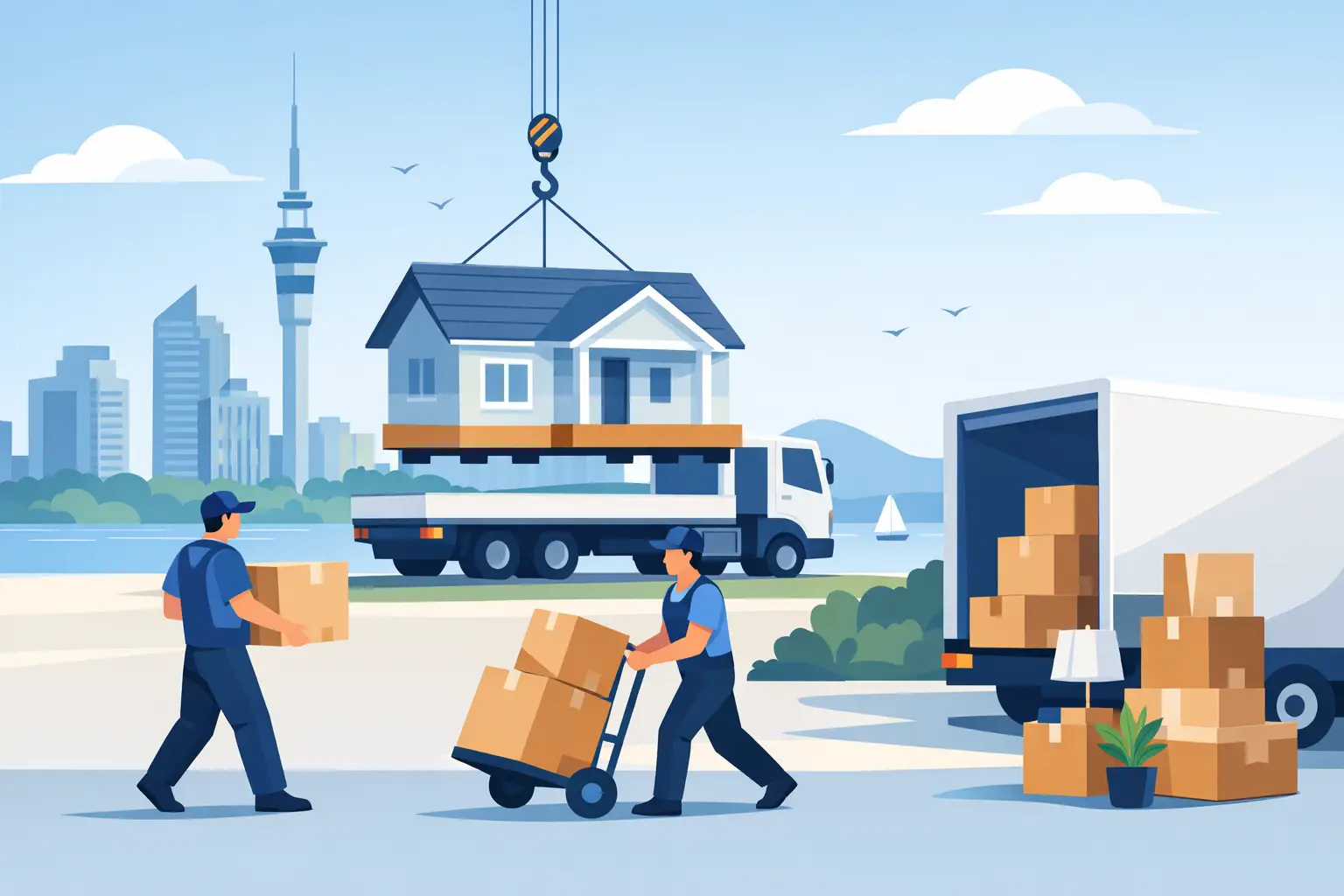
Move day usually goes wrong long before the truck arrives. It starts with a vague quote, a booking made through a middleman, or a crew that turns up with the wrong truck and no clear plan. If you are comparing Auckland house movers, that is the real issue to focus on. Not just price, but who is actually turning up, how they work, and what happens if something is handled badly.
A house move is one of those jobs that looks simple from the outside. Furniture goes out, furniture goes in. In practice, it is a timed operation where access, truck loading, protection methods, lifting technique, and crew discipline all affect the result. A cheap hourly rate can become an expensive move very quickly if the team is slow, careless, or poorly equipped.
What good Auckland house movers actually do
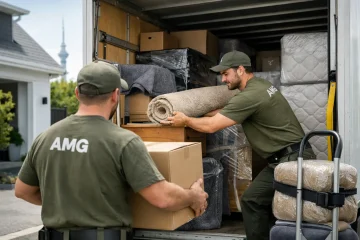
The difference between a proper moving crew and a casual labour team is obvious within the first half hour. Professionals arrive with a suitable furniture truck, clean moving blankets, straps, trolleys, and a loading plan. They do not waste time debating what to do with a fridge, trying to work out how to protect a timber table, or dragging furniture across the floor because no one brought the right gear.
Good movers also understand that speed only matters when it is controlled. Rushing and smashing through a move is not efficiency. Real efficiency comes from preparation, trained handling, and loading the truck in a way that protects the load while reducing wasted trips and rework. That matters whether you are moving from a small unit, a family home, or a multi-level property with difficult access.
There is also accountability. Some operators quote jobs they never intend to carry out themselves, then hand them to whoever is available. That creates a responsibility gap. The person who sold the move is not the person lifting your dining table, managing your sofa through a tight stairwell, or answering questions when something goes wrong. For customers, that is where risk starts.
Price matters, but value matters more
Everyone has a budget. That is fair. But house moving is one of those services where the cheapest number on paper often hides the highest real cost.
An undertrained crew takes longer. A dirty or unsuitable truck can damage furniture. Poor packing or stacking can turn a straightforward move into a repair bill. If the team does not know how to handle bulky or delicate pieces, you are the one carrying the stress and the loss. Paying a bit more for trained movers, proper equipment, and a fit-for-purpose truck is often the cheaper outcome overall.
This is especially true for hourly jobs. If a company cannot load efficiently, protect items properly, and move with purpose, the clock keeps running while standards drop. Customers who understand that tend to look beyond the headline rate and ask better questions.
Questions worth asking before you book
Ask who will actually complete the move. Ask whether the movers are trained in-house or subcontracted casually. Ask what type of truck is being sent and whether it is set up for furniture transport. Ask how mattresses, whiteware, timber furniture, glass, and awkward items are protected. Ask what happens with stairs, tight driveways, long carries, and oversized pieces.
If the answers are vague, that tells you plenty. A serious operator should be able to explain the process clearly because they do this work every day.
Why the right truck and equipment change the whole move
A house move is not just about manpower. Equipment directly affects speed, safety, and furniture condition.
Purpose-built furniture trucks make a real difference because they are designed for secured transport. That means better internal space, better load restraint, and a better working setup for blankets, straps, and stacked furniture. Compare that with a random hire vehicle or a truck that is not properly set up for removals, and the risk goes up fast.
The same applies to moving gear. Trolleys, dollies, ties, blankets, and protective materials are not optional extras on a proper job. They are basic tools of the trade. Without them, movers compensate with brute force, makeshift methods, and wasted time. That is when walls get clipped, table legs get stressed, and appliances get treated like general freight.
Specialty items are where experience shows
Most moves include at least one item that changes the job. It might be a piano, a safe, a marble table, a spa pool, a large fridge, or a bulky lounge suite that barely fits the doorway. These pieces need more than confidence. They need judgement, lifting technique, route planning, and the right equipment.
This is where experienced movers stand apart from general labour crews. Knowing when to tilt, when to disassemble, when to pad heavily, and when a larger crew is needed can prevent expensive mistakes. It can also prevent injuries, which matter just as much as scratched furniture.
House moving is won in the planning
A good move starts before the first item is lifted. Access conditions, parking, stairways, lift bookings, weather, driveway slope, and room layout all affect how the day should run. If these details are ignored during quoting, the move can fall apart on site.
That is why clear communication matters. A house with easy front-door access is a different job from a third-floor apartment with a narrow lift and limited parking. A standard three-bedroom move is different again if there is a piano in the lounge, a workshop in the garage, or storage to collect on the way. None of this is a problem when it is identified early. It becomes a problem when the crew finds out on the day.
Customers can help by being upfront about difficult items and access. Good movers should also know what to ask. That back-and-forth is not admin for the sake of it. It is how a move stays efficient and controlled.
Packing support is not just for people who are short on time
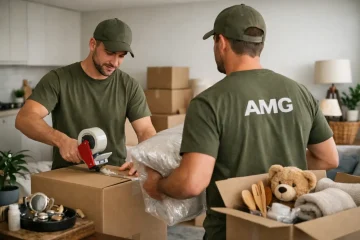
Some customers want a full packing service. Others prefer to pack themselves and just need boxes, wrapping supplies, or help with fragile items. Both approaches can work, but the key is being realistic.
Self-packing can save money if it is done properly. The risk is that rushed packing usually creates delays and damage. Underfilled boxes collapse. Overfilled boxes split. Loose kitchenware, unprotected frames, and badly packed electronics all slow the move down because the crew has to compensate on the spot.
Professional packing support is often worth it for kitchens, breakables, artworks, and anything with awkward value. Even partial packing assistance can save time and reduce headaches. The right answer depends on budget, schedule, and how much risk you are prepared to carry yourself.
Choosing movers for local and intercity jobs
Not every company that can handle a local Auckland move is set up well for longer-distance transport. Intercity work calls for tighter scheduling, stronger load security, and more disciplined handling because the load is in transit for longer. The margin for poor packing or lazy stacking is much smaller.
That matters for moves between Auckland and surrounding North Island areas as well. If furniture is travelling any real distance, you want a team that treats transport as part of the job, not an afterthought. Licensing, route planning, and truck suitability all matter more once the journey gets longer.
For that reason, many customers prefer dealing directly with an operator that actually performs the work rather than an online booking platform or lead seller. The less distance there is between the quote and the crew, the fewer surprises there tend to be.
The standard to look for in Auckland house movers
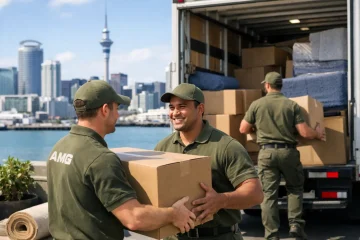
When people say they want trustworthy Auckland house movers, they usually mean something very practical. They want a crew that turns up on time, works hard, protects the furniture, uses the right truck, communicates clearly, and takes responsibility for the job from start to finish.
That should not be a premium extra. It should be the baseline.
Auckland Moving Guys Ltd. is built around that standard – trained movers, proper transport, direct accountability, and a clear focus on protecting the customer’s time and belongings. That approach suits homeowners, renters, families, and businesses that would rather pay for the job to be done properly than pay twice for shortcuts.
If you are planning a move, trust your instincts when something feels too vague, too cheap, or too disconnected from the actual work. A good moving company should make the process feel more controlled, not more uncertain. When the team, truck, and planning are right, the whole move gets simpler – and that is usually the difference people remember.

0 Comments