
Best Truck Size for Moving Without Paying Twice
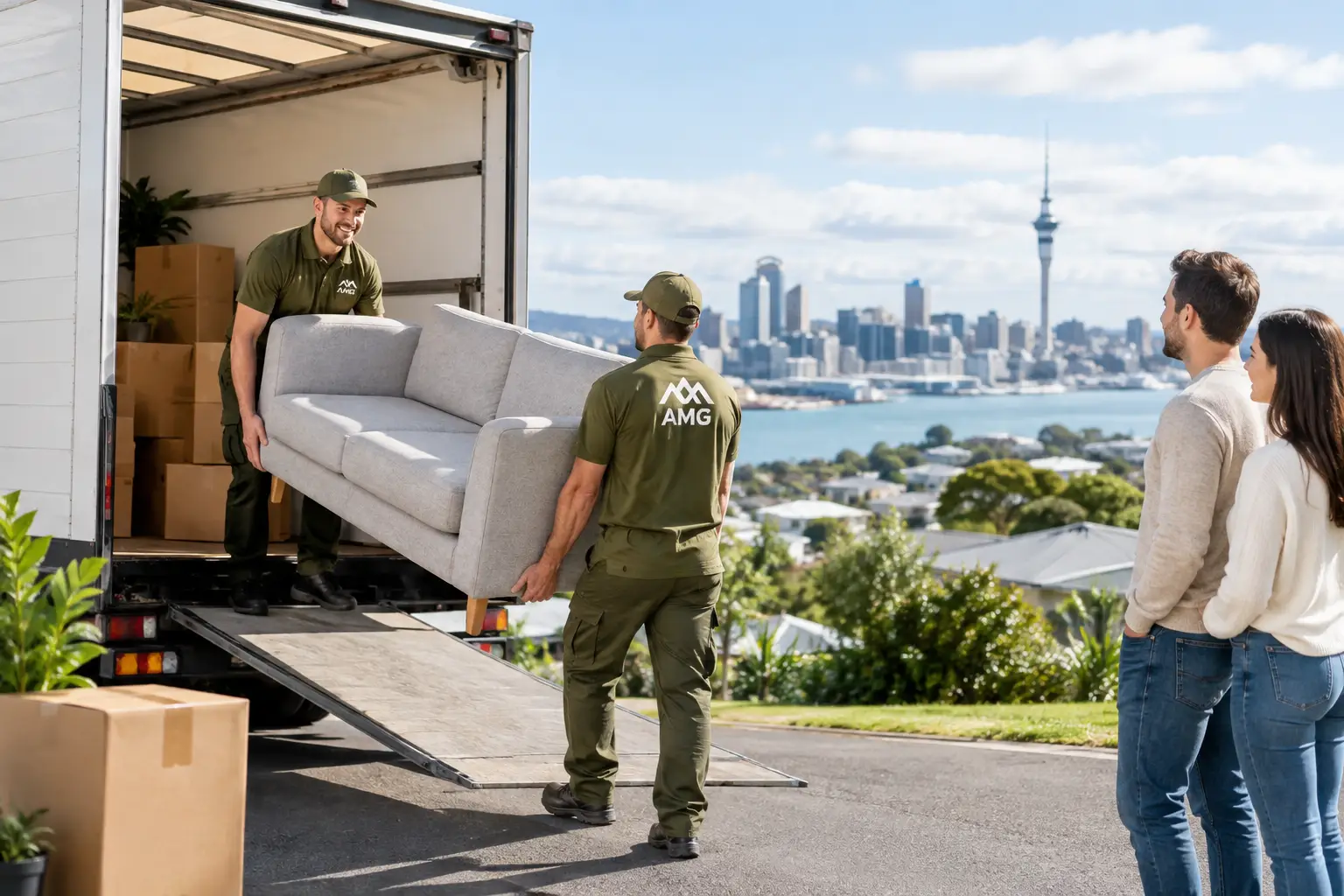
A truck that looks big from the footpath can become very small once you add a lounge suite, whiteware, mattresses, cartons and the items that do not stack neatly. Choosing the best truck size for moving is not about hiring the largest vehicle available. It is about giving trained movers enough protected loading space to complete the job safely, efficiently and, ideally, in one trip.
Get it wrong and the cost is not limited to a second journey. A cramped truck creates rushed loading, poor stacking and avoidable handling. An oversized truck may be harder to position at a narrow driveway, apartment loading zone or busy commercial site. The right answer depends on the volume of furniture, access at both ends, and how the load needs to be secured.
Why truck size affects more than the number of trips
A purpose-built furniture truck is not an empty box on wheels. Its usable capacity depends on the layout, tie rails, protective blankets, loading equipment and the need to keep furniture stable in transit. Good movers do not simply fill every gap until the rear door closes. They build a load that prevents items shifting, crushing or rubbing together.
This matters particularly with timber furniture, glass cabinets, marble tops, appliances and upholstered pieces. A truck that is too small forces compromises: cartons on top of fragile furniture, mattresses bent around awkward items, or a load that has to be unpacked and rebuilt halfway through. Those are not efficient moving practices.
Truck size also affects the crew’s time. When furniture can be loaded in sensible order, with heavy items secured low and bulky pieces placed where they can come off efficiently, the unloading process is quicker and more controlled. For hourly moves, that planning directly protects your budget.
Best truck size for moving by home size
Every household is different. A minimalist three-bedroom home may take less room than a heavily furnished two-bedroom flat with storage, garage contents and a full outdoor setting. Still, the following ranges provide a useful starting point when discussing a move with a professional removalist.
Studio, one-bedroom flat or small unit
A small move often suits a compact furniture truck, generally around 10 to 15 cubic metres. This can accommodate a bed, small lounge, dining setting, appliances and a reasonable number of cartons, provided there is no major storage area or unusually large furniture.
Do not assume a ute or trailer is the cheaper option. They leave furniture exposed to weather, require more individual handling, and often mean several trips. A covered truck with furniture pads and proper restraint points is usually the safer choice for a complete household load.
Two-bedroom home or apartment
A two-bedroom move commonly needs around 20 to 30 cubic metres. This category varies widely. A couple moving from a lightly furnished apartment may fit comfortably into the lower end, while a family with a double fridge, sectional sofa, office furniture and a storage locker may need substantially more room.
Apartment access can be as important as volume. Lift bookings, basement height limits, loading docks and long corridors influence the type of truck that can attend. A capable moving company assesses access before simply sending its largest vehicle.
Three-bedroom house
For a standard three-bedroom household, a truck of approximately 30 to 40 cubic metres is often appropriate. This is where one-trip planning becomes particularly valuable. There may be multiple beds, bedroom furniture, a full lounge and dining room, whiteware, garage tools, outdoor furniture and many more cartons than expected.
If the household includes a study, children’s equipment, a shed or a packed garage, move towards the larger end of that range. A truck should have enough room for furniture blankets, secure stacking and a proper load plan, not just enough cubic metres on paper.
Four-bedroom or larger family home
Larger homes often require a 40-cubic-metre-plus furniture truck, a second vehicle, or a carefully planned staged move. The right approach depends on how much furniture is actually coming with you. Large homes can contain relatively little, while a smaller home may hold years of stored belongings.
This is also the point where specialist items deserve separate attention. Pianos, spa pools, safes, statues and heavy stone or marble furniture cannot be treated as ordinary freight. They may need additional crew, lifting equipment, tailored protection and a loading position that keeps the truck balanced and the item secure.
Start with volume, then check access
Most customers can describe rooms, but furniture volume tells the more useful story. Before requesting a quote, walk through the property and include the areas people commonly forget: wardrobes, linen cupboards, the garage, garden shed, storage cage, attic space and outdoor areas. If it is coming with you, it belongs in the truck calculation.
Then look at access honestly. Consider the driveway width, turning space, low branches, parked cars, stairs, lift availability and the distance from door to truck. A large furniture truck may be ideal for volume but unsuitable for a tight inner-city lane or restricted apartment basement. In some cases, a smaller truck, shuttle vehicle or additional labour provides better value than trying to force one oversized vehicle into poor access.
For intercity moves between Auckland, Whangarei and Hamilton, capacity planning has even more weight. A return trip is not a quick run around the corner. Accurate inventory information helps the mover allocate the correct truck and avoids last-minute decisions that can delay the move.
Do not confuse truck size with loading quality
Two crews can load the same truck very differently. The professional standard is not to pile furniture into an empty space and hope for the best. It is to use clean furniture pads, wrapping where needed, tie-down systems and sound loading order.
Heavy appliances and solid furniture should be positioned to support the load. Delicate pieces need separation and protection. Cartons should be closed, clearly labelled and strong enough to stack. Loose rubbish bags, open boxes and poorly packed items may appear to save time before moving day, but they slow the crew down and make damage more likely.
A well-equipped truck should also carry the practical gear needed for real moves: trolleys, straps, ramps, blankets and equipment suited to awkward items. A vehicle without the right equipment is not a professional furniture-moving solution simply because it has a large cargo area.
When a second trip makes sense
One trip is usually the most efficient outcome, but not at any cost. There are legitimate situations where two loads are smarter. Restricted access can prevent a large vehicle attending. Settlement timing may require items to go to storage before the new property is available. A commercial relocation may need staged delivery so staff can keep operating.
There are also cases where customers choose to move low-value, non-fragile items themselves and engage professionals for the main furniture load. That can work if it is organised properly and does not interfere with the truck’s access or the crew’s loading schedule.
The key is that a second trip should be planned, not discovered when the truck is already full. A direct moving company should explain the options clearly, including what affects time, vehicle allocation and labour requirements.
How to give your mover the information they need
A precise quote and truck recommendation start with accurate details. Tell the mover the number of bedrooms, but also mention large or unusual items, including oversized sofas, treadmills, large fridges, pool tables, pianos and safes. Provide photos where requested, especially for staircases, difficult access and speciality furniture.
Be clear about what is not going. Selling, donating or disposing of unwanted furniture before moving day can materially reduce the required truck size and handling time. It also stops the crew from loading items that were never meant to leave.
If you are packing yourself, have cartons ready before the truck arrives. Last-minute packing turns professional movers into waiting labour and can push a well-planned load into overtime. The more accurate the inventory and access information, the more confidently the right vehicle can be assigned.
Choose a truck backed by accountable movers
The best truck size is only part of the decision. The vehicle should be purpose-built, clean, properly equipped and operated by trained people who are responsible for the work from collection to delivery. Booking through a middleman may leave you unsure who is actually arriving, what truck they are bringing or whether they understand the job.
Auckland Moving Guys assesses moves based on the furniture, access and the protection required, rather than relying on a one-size-fits-all promise. That is how a truck becomes part of a controlled moving plan, not a gamble on the day.
Before you lock in your moving date, take ten minutes to walk through every room and storage space. That small effort gives your mover the facts needed to send a truck that fits the move, protects your belongings and keeps the day moving forward.


0 Comments