
Moving Truck Loading Guide for a Safer Move
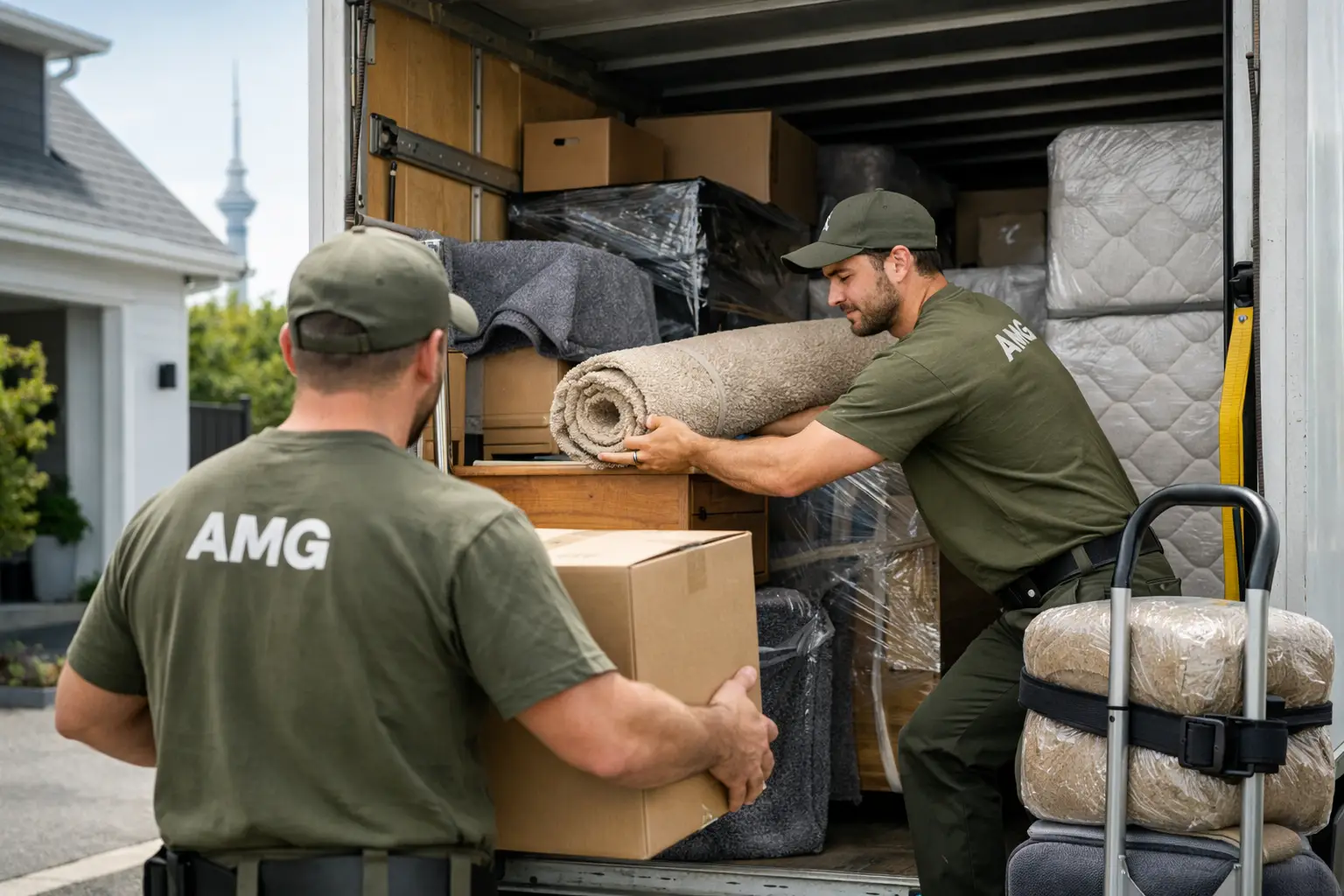
A truck can look fully loaded and still be loaded badly. The difference shows up at the first roundabout, on a steep driveway, or when a heavy item shifts into a dining table halfway through the trip. This moving truck loading guide explains the order, restraint and judgement needed to move furniture safely – without wasting truck space or adding unnecessary time to the job.
For most household moves, loading is not about filling every gap as quickly as possible. It is about building a stable load from the front of the truck to the rear, keeping weight low and protected items separate from hard, moving surfaces. Get that sequence right and unloading is faster too.
Start with the truck, access and a clear plan
Before anything goes aboard, inspect the truck. A proper furniture truck should be clean, dry and fitted with tie rails, blankets, trolleys and straps. A dirty or unsuitable vehicle can mark mattresses, upholstery and timber before the move has even begun. Loose items left in the load area should be removed, and wet floors need to be dried.
Think through the access at both ends. Note stairs, lifts, narrow hallways, tight turns, low branches and driveway gradients. This affects what gets loaded first and where it should sit. Items required immediately at the new property, such as a bed base, essential cartons or a work desk for an office move, should not be buried behind the heaviest furniture unless there is a good operational reason.
Preparation also keeps hourly moving costs under control. Have cartons sealed, drawers emptied where appropriate, pathways clear and parking arranged before the truck arrives. A professional crew can move quickly, but no crew can make up time lost searching for keys, clearing a footpath or repacking loose belongings at the truck.
Keep these essentials separate from the main load:
- keys, wallets, medication, chargers and important documents
- a basic tool kit, tape measure and scissors
- bedding, toiletries and a change of clothes for the first night
- fragile valuables, jewellery and personal items best kept with you
- any parts removed from beds, tables or appliances, clearly labelled
The correct moving truck loading order
The general rule is simple: heavy, tall and durable pieces go against the front wall of the truck first. This is the wall directly behind the cab. The load should then be built in sections, with each section secured before the next one begins.
Load large furniture first
Start with appliances, wardrobes, bookcases, buffets, sofas, mattresses and bed components. Their exact order depends on shape and weight, but the heaviest pieces should sit low on the floor. Avoid placing a tall cabinet at the outer edge of the load where it can lean or shift sideways.
Furniture should be wrapped in clean moving blankets, particularly polished timber, glass-fronted cabinets, painted surfaces and upholstered pieces. Blankets prevent rubbing damage, but they are not a substitute for restraint. A blanket-wrapped dresser can still become a serious hazard if it is not tied off correctly.
Upright loading often saves space, especially for sofas, mattresses and some tables. However, it depends on the item. Marble tops, delicate antiques, flat-pack furniture with weak joints and glass pieces may need a different approach. Weight distribution and the item’s construction matter more than trying to fit one extra carton into the truck.
Build a stable wall, not a pile
A sound load is built like a wall. Heavy items create the base, then lighter items fill protected spaces around them. Keep the weight balanced from left to right. Loading all the heavy furniture down one side may make manoeuvring less predictable and places unnecessary stress on the load.
Use furniture pads between hard surfaces. Chairs can be nested only when they are protected and stable. Table tops should be wrapped and positioned so their edges are not exposed to pressure from boxes or appliances. Never rely on a stack of cartons to support heavy furniture; cartons crush, especially when they have been packed with mixed household goods.
Once a section is complete, use rated straps or ropes attached to the truck’s tie rails. The aim is to stop movement in every direction, not merely stop an item from falling backwards when the rear door opens. Check the tension after the first section is in place and again before departure.
Use cartons to fill gaps, not carry the load
Cartons are useful for creating a tight, supported load, but they belong above or beside heavier items, not underneath them. Put book boxes, tools and other dense cartons on the floor where their weight can be managed safely. Lighter cartons containing linen, cushions, toys or clothing can fill upper spaces.
Keep box labels facing out where possible. This sounds minor, but it saves considerable time at the destination. A clearly labelled carton can go straight into the right room instead of being opened in a driveway while everyone tries to work out what is inside.
Do not leave voids that allow items to gather momentum. Use mattresses, cushions, wrapped chairs or suitably packed cartons to close gaps. That said, do not force cartons into spaces where they put pressure on fragile furniture. A tight load is good. A compressed load that bows a cupboard door or cracks a table leg is not.
Special care for appliances and fragile items
Fridges, washing machines and dryers demand more than brute strength. They should be prepared according to the manufacturer’s instructions, emptied and secured with doors protected. Most appliances travel upright. If an appliance has had to be tilted for handling, allow it appropriate standing time before switching it on at the new address, following the manufacturer’s guidance.
Televisions, mirrors, artwork and glass table tops need purpose-made protection and should be loaded in a position where they cannot flex or be struck by other items. A television should not travel face-down under cartons, and a mirror should not be wedged loosely beside a metal appliance. These are common shortcuts that create avoidable claims and disappointment.
Pianos, safes, spa pools, statues and marble furniture are not standard household items. Their weight, balance points and access requirements can exceed the capacity of basic trolleys, casual helpers or a rented truck. For these pieces, specialist equipment and trained handlers are the sensible option. Saving a small amount on labour is poor value if the result is damaged flooring, a strained back or an item that cannot be safely removed from the truck.
What not to load in the truck
Some items should travel separately or not at all. Hazardous materials, flammables, gas bottles, corrosive chemicals and leaking containers create risk for people, property and the vehicle. Check any restrictions that apply to your hire truck or moving provider before moving day.
Living things need separate arrangements too. Pets, plants and people do not belong in the furniture compartment. Keep them secure and comfortable in an appropriate vehicle. It also makes the loading area safer for the crew, who need clear access and predictable conditions while carrying heavy items.
The final checks before the doors close
Walk through the truck from front to rear. Look for unrestrained tall items, exposed corners, loose straps, cartons perched above shoulder height and items that could slide into a gap. Open drawers, dangling cords and removable legs should be secured. The rear of the load deserves particular attention because braking can place force on this section.
Then check the property. Cupboards, sheds, garages, roof spaces and under-stair storage are often missed. Confirm that no furniture has been left behind and that the route to the truck remains clear until the final item is loaded.
A good loading job should look deliberate rather than hurried. It protects furniture, helps the truck travel predictably and makes the unload orderly. When the move includes valuable furniture, difficult access or heavy specialty items, experienced movers such as Auckland Moving Guys bring the trained labour, proper truck setup and accountability that a casual loading job often lacks.
The best test is simple: if the truck had to brake sharply or take a tight corner, would every item stay where it is? If the answer is not clearly yes, take the extra few minutes to pad, reposition and restrain the load before leaving.


0 Comments