
Professional Movers Benefits That Matter
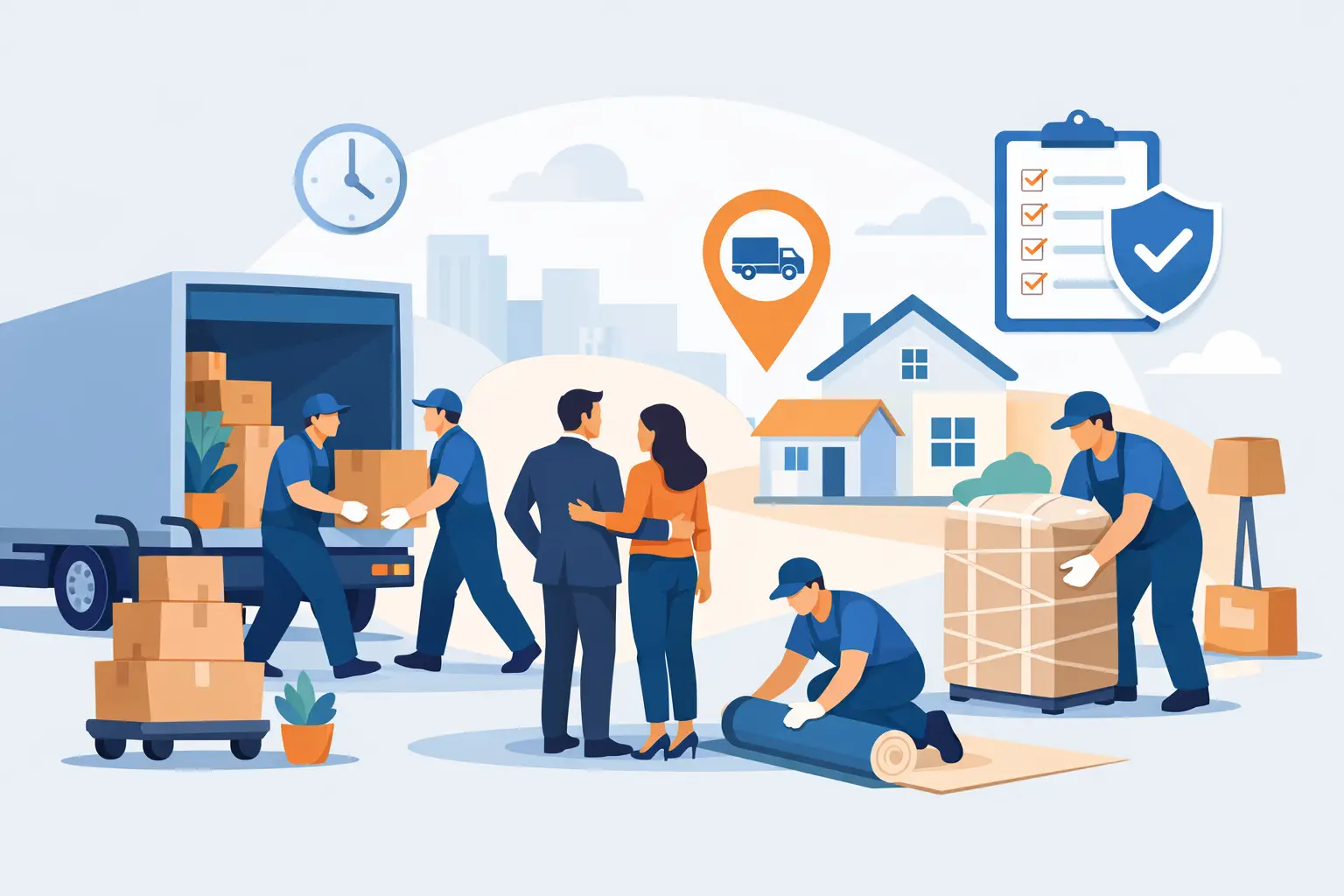
A move usually goes wrong in the same places. Furniture gets scraped in a stairwell, boxes are packed badly, the truck turns up too small, or the people doing the work are not the people who took the booking. That is where the real professional movers benefits show up – not in sales talk, but in fewer mistakes, better protection, and a move that stays under control.
If you are moving house, shifting offices, clearing space for renovations, or transporting heavy items, the difference between a trained moving crew and a cheap, loosely arranged service is not subtle. It affects your time, your costs, your stress levels, and the condition of your belongings when the day is done.
Professional movers benefits start with accountability
One of the biggest advantages of hiring a proper moving company is knowing who is actually responsible for the job. That sounds basic, but plenty of customers find out too late that the person who quoted the work is just a booking source, not the operator turning up with the truck.
When you deal with professional movers, there should be a direct line between the quote, the truck, the crew, and the business standing behind the work. If something needs to be clarified, adjusted, or handled carefully, there is no fog around responsibility. That matters when you are trusting people with your household furniture, office equipment, or high-value specialty items.
Direct accountability also improves communication before moving day. A crew with real operational experience can ask the right questions early – access conditions, stairs, driveways, lift bookings, oversized pieces, fragile items, and timing constraints. That planning reduces delays and costly surprises.
Better handling is one of the clearest professional movers benefits
Furniture moving is skilled physical work. It is not just about strength. It is about technique, judgement, and knowing how to protect both the item and the property around it.
Trained movers know how to carry lounges through tight hallways, angle tallboys around corners, secure whiteware in the truck, and move awkward items without turning walls and door frames into impact points. They also know when an item needs wrapping, when it needs two people, and when extra equipment is the safer option.
That is especially important for items that are difficult, heavy, or expensive to replace. Pianos, marble tables, safes, spa pools, statues, and large office furniture all need more than effort. They need a crew that has done this before, with the right lifting methods and the right gear.
The trade-off is simple. You might pay less upfront for untrained labour, but the savings disappear quickly if furniture is damaged, access is misjudged, or loading takes twice as long as it should.
The right truck and equipment save time and reduce risk
Not every truck is suitable for furniture moving. This gets overlooked until moving day, when belongings are being loaded into a dirty, undersized, or badly set up vehicle. A proper furniture truck is not just transport. It is part of the protection system.
Purpose-built moving trucks are designed to carry furniture securely and efficiently. They allow better stacking, safer restraint, and cleaner separation of household or business items. That reduces shifting in transit and helps the crew load and unload in a more organised way.
The same applies to moving equipment. Trolleys, ties, blankets, ramps, and packing materials are not optional extras on a serious move. They are basic operational tools. Without them, crews waste time improvising, and customers wear the risk.
A professional operator should arrive ready for the job, not hoping the job is easier than expected.
Faster work can mean better value, not just a higher hourly rate
A lot of people compare moving quotes on the hourly figure alone. That is understandable, but it is not always the smartest way to judge value. In moving, slow and cheap can easily become expensive.
Experienced movers work with rhythm. They know how to sequence loading, protect key items quickly, use truck space properly, and avoid the sort of back-and-forth that burns time. That matters if you are paying by the hour, but it also matters if you are trying to keep disruption to a minimum.
For families, faster execution means less time managing children, pets, keys, cleaners, and settlement deadlines while strangers move through the property. For businesses, it can mean less downtime, less disruption to staff, and a faster return to normal operations.
There are cases where a lower-cost service makes sense – for example, a very small labour-only move with easy access and basic items. But once the move involves stairs, distance, bulky furniture, commercial assets, or anything fragile, experienced crews often deliver better value because they reduce the hours lost to poor planning and poor handling.
Packing support is not just convenient – it protects the whole move
Packing is where many moving problems begin. If boxes are overloaded, underfilled, badly labelled, or packed with the wrong materials, the crew inherits a harder and riskier job. Items shift, cartons collapse, and loading becomes slower.
Professional packing support helps in two ways. First, it protects contents more effectively. Second, it makes the move itself more efficient because the truck can be loaded in a stable, logical order. Good packing materials also make a difference. Strong cartons, proper wrapping, and furniture protection are part of damage prevention, not cosmetic extras.
Some customers prefer to pack themselves, which is fair enough. If that is the plan, it still helps to get advice on materials, fragile items, and what should be left for the movers to wrap. A little preparation can save a lot of trouble later.
Professional movers benefits matter even more on complex jobs
Simple moves exist, but many are not simple at all. Intercity relocations, office moves, renovation shifts, storage reshuffles, and specialty-item transport all introduce extra variables. Timing, coordination, access, inventory control, and safe handling become far more important.
An office relocation, for example, is not just a furniture move. It may involve desks, monitors, filing systems, staff timing, building access rules, and the need to minimise business interruption. A household move across the North Island corridor brings different pressures, including transport planning, load security, and confidence that the truck and crew are suited to the distance.
This is where experience shows. Professional movers do not just carry items. They manage moving conditions. They can identify the pressure points early and structure the job around them.
Standards and training separate serious operators from the rest
The moving industry has a wide gap between disciplined operators and anyone with a truck and a mobile. Customers often do not see that gap until things go wrong.
Training matters because moving is repetitive, high-risk manual work involving customers’ most valuable everyday possessions. Standards matter because consistency is what protects those possessions across hundreds of different move scenarios. Licensing, association membership, equipment maintenance, and in-house crews all point to a business that takes the work seriously.
That does not guarantee perfection. No honest operator should promise that every move is effortless or that every site condition is ideal. Weather changes, access can be tighter than described, and some items are genuinely difficult. But trained movers are far better at managing those variables without losing control of the job.
For risk-aware customers, that is the point. You are not paying for a promise of magic. You are paying for reduced risk, better judgement, and a crew that knows what to do when conditions are less than ideal.
Choosing movers based on professionalism, not just price
If you are comparing companies, look past the headline quote. Ask who is actually doing the move, what truck is being used, whether the crew is trained, how specialty items are handled, and what support is available for packing and access planning. Those answers tell you more than a bargain rate ever will.
A professional moving service should be clear, direct, and comfortable discussing the practical side of the job. If the answers are vague, if responsibility feels blurred, or if the equipment sounds like an afterthought, that is usually a warning sign.
For Auckland households and businesses, the best moving experience often comes from choosing operators who treat furniture moving as a real trade, not casual labour. That is the standard Auckland Moving Guys Ltd. believes customers should expect.
A move puts your possessions, your schedule, and your peace of mind in someone else’s hands for a day. Choose the people who act like that responsibility means something.


0 Comments