
How to Protect Antique Furniture When Moving
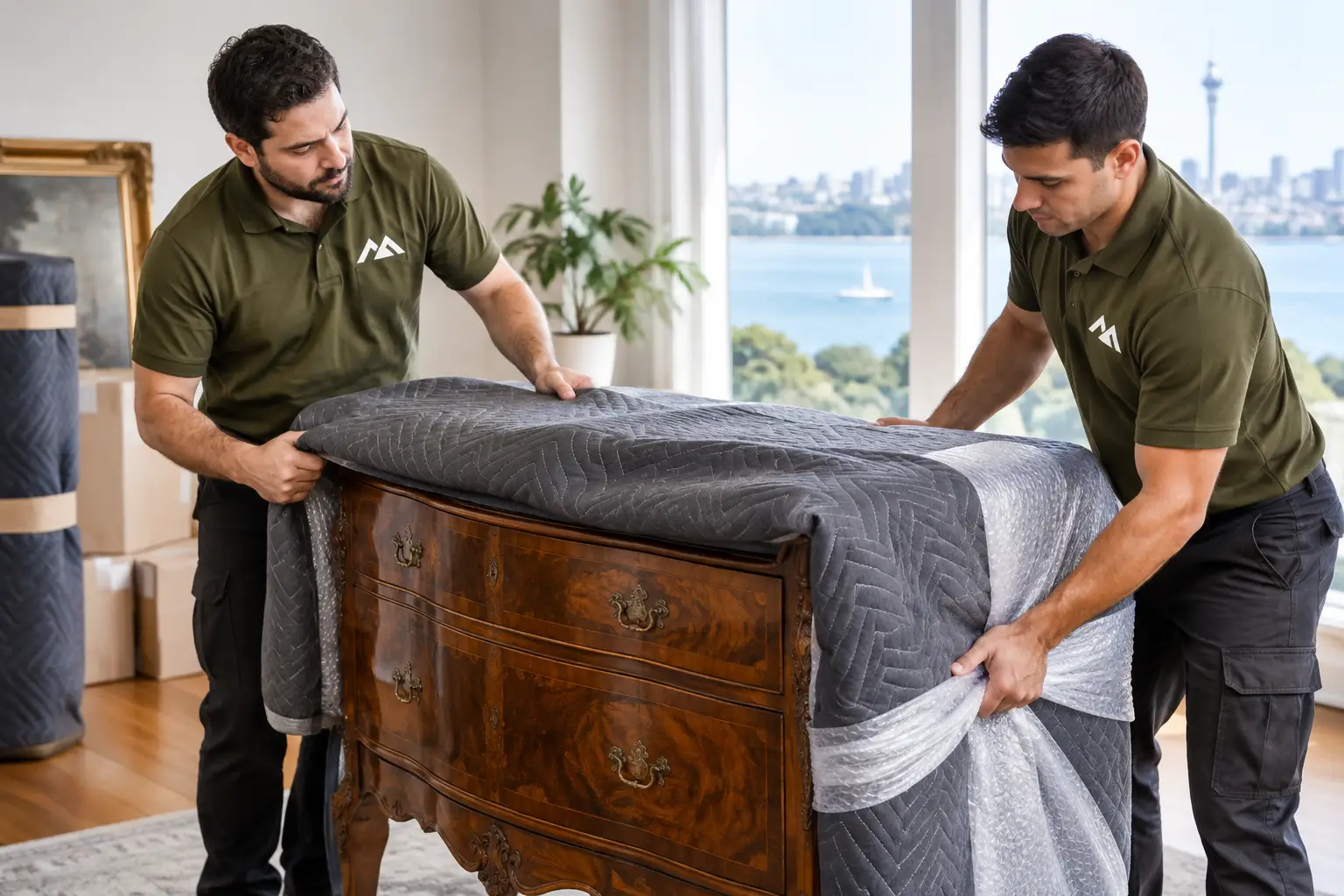
A small split in old veneer, a loose marquetry panel or a warped timber top can turn a valuable piece into an expensive repair job. Knowing how to protect antique furniture is less about piling on blankets and more about controlling the risks that cause lasting damage: poor handling, moisture, pressure, vibration and unsuitable storage.
Antique furniture was often made with materials and joinery that behave very differently from modern flat-pack or mass-produced pieces. A chest that has stood for 120 years may look solid, yet its glue joints, finish, castors and decorative details can be vulnerable to a rushed lift or a badly secured truckload. Treat it as a specialist item from the moment you start planning the move.
Start with a condition check before packing
Before anything is moved, inspect each piece in good light. Photograph the front, back, sides, top and any existing marks, including scratches, fading, chips, loose handles and damaged veneer. This is not about assuming something will go wrong. It gives you a clear record of the furniture’s condition and helps you notice issues that need attention before transport.
Open drawers and doors carefully. Check whether hinges are loose, locks catch, drawers run freely and castors are secure. If a drawer sticks, do not force it. Older timber can swell with changes in humidity, and forcing a tight drawer can damage its runners or front panel.
Remove loose components where practical. Marble tops, mirrors, detachable legs, shelves, finials and glass panels should normally travel separately and be clearly labelled. Keep original screws, brackets and fittings in a sealed bag attached to the relevant item, rather than loose in a carton where they can disappear.
If a piece has an active structural problem, such as a wobbly leg or lifting veneer, tell the movers before moving day. The handling plan may need to change. In some cases, a conservator should stabilise the furniture before it travels.
Clean gently and avoid last-minute treatments
Dust antique furniture with a soft, dry microfibre cloth or a soft brush before packing. Dirt trapped beneath wrapping can rub against the finish during transport. Avoid spraying polish, oil or water-based cleaner immediately before a move. Fresh products can react with old finishes, leave residue or make surfaces more likely to mark under wrapping.
Do not use sticky tape directly on timber, lacquer, leather, upholstery or gilded surfaces. Tape can lift old finish, leave adhesive behind and pull away fragile veneer. If labels are needed, place them on the protective wrapping, never the furniture itself.
The same caution applies to household cleaning products. A quick wipe with the wrong chemical can create a bigger problem than ordinary dust. When you are unsure what finish you are dealing with, less intervention is usually safer.
Use the right protection, in the right order
The best protection depends on the item, but the principle stays the same: create a clean barrier against dust and abrasion, then add padded protection against knocks. Furniture blankets, padded covers and purpose-made moving wraps are generally suitable for timber pieces when used correctly.
For delicate polished timber or painted finishes, place a clean, breathable layer such as acid-free tissue or unprinted paper over vulnerable surfaces before adding padded blankets. Corners, carved legs and protruding mouldings need extra padding because they are the first parts to strike a doorway, stair rail or truck wall.
Avoid wrapping antique furniture tightly in plastic for extended periods. Plastic can trap moisture, especially in Auckland’s changeable conditions, and that moisture may cause mould, cloudy finishes or swelling. Plastic can have a role as a short-term outer weather barrier during loading in rain, but it should not sit directly against the furniture or remain in place for long-term storage.
Bubble wrap also needs care. It is useful around detached glass, marble and small decorative pieces, but should not be pressed directly onto a delicate polished surface for days or weeks. Changes in temperature can make the material cling or leave an imprint. Put a clean paper layer between the finish and any plastic-based protection.
How to protect antique furniture during the lift
Most damage happens while furniture is being lifted, turned or manoeuvred through tight spaces, not while it is sitting in a truck. That is why preparation around the property matters. Measure narrow doorways, stairwells, lifts and sharp corners before the move. Remove rugs, pot plants and other trip hazards, and protect door frames where clearance is tight.
Never drag an antique cabinet across carpet, timber flooring or concrete. Dragging puts strain through legs, feet and joints that were not designed to take sideways force. Lift from the strongest structural points, usually the lower frame or solid rails, rather than from handles, drawer fronts, decorative arms or a marble top.
A heavy piece should be carried by enough people to keep it level. Tilting can shift drawers, stress old joints and place unexpected weight on one leg. For tall cabinets, bookcases and wardrobes, assess whether doors, shelves or drawers need to be removed first. Emptying drawers is generally the safe option, even when they appear light. Their contents can move, damage the interior or add enough weight to strain the frame.
Pianos, large sideboards, grandfather clocks, marble tables and substantial display cabinets are not jobs for improvised lifting. They need the right equipment, trained hands and a clear path. A low quote is poor value if it relies on untrained labour, a dirty truck or people who have never handled a fragile, heavy item properly.
Secure antiques properly in the truck
A purpose-built furniture truck should be clean, dry and equipped with furniture blankets, tie rails and proper restraints. Antique furniture should travel upright where its construction allows, well padded and secured so it cannot slide, topple or rub against other items as the truck brakes or turns.
Do not stack boxes, tools or other heavy goods on top of antique furniture. Even a seemingly light carton can leave pressure marks on an old top or crush a delicate gallery rail over a long journey. Keep hard-edged items, such as bed frames and appliances, separated from fine timber furniture with adequate padding.
Load order matters. Heavy, stable items need to be placed and restrained first, while fragile antiques should be protected from movement without becoming trapped under weight. This is one reason experienced movers are worth using. Packing a truck is not simply filling empty space. It is about managing weight, access, vibration and the forces created on the road.
For intercity transport between Auckland, Hamilton or Whangarei, allow for extra vibration and longer exposure to changing weather conditions. Ask how the item will be wrapped, restrained and protected from other freight. Direct accountability matters here. You want to know who is actually carrying your furniture, not be passed through a booking platform with unclear responsibility.
Control humidity and temperature in storage
If antique furniture is going into storage, choose a clean, dry and well-managed facility. Damp garages, garden sheds and shipping containers with poor ventilation can cause timber to swell, veneers to lift and mould to form. Extreme heat can dry out timber and loosen old glue joints, while damp conditions may attract insects and create musty odours in upholstery.
Keep furniture raised off the floor on pallets or clean blocks where appropriate, particularly if there is any risk of moisture. Leave space around pieces for airflow and do not press furniture tightly against an exterior wall. Use breathable covers rather than sealed plastic, and never store antiques with damp textiles, wet cartons or freshly cleaned rugs.
For long-term storage, inspect the items periodically. Look for signs of damp, pest activity, movement in joints or changes in finish. Catching a problem early is far easier than repairing a severely warped panel or mould-affected fabric later.
Know when professional handling is the sensible choice
You can protect a small, sturdy antique table yourself with careful preparation and enough help. The calculation changes when the piece is heavy, structurally delicate, unusually valuable or difficult to get through the property. Stairs, narrow access, steep driveways and tight turns all increase the risk.
A professional moving team should ask sensible questions about the item, access and destination before quoting. They should arrive with clean equipment, suitable padding and a plan for lifting and loading. At Auckland Moving Guys, that practical preparation is central to handling specialist furniture properly, rather than treating it like another carton in the back of a vehicle.
Your antique furniture has already survived decades of daily life. Give it the same respect during a move: prepare early, protect the finish, avoid shortcuts in the lift, and put it in the hands of people who understand that one careless moment can cause damage no amount of polish will hide.




0 Comments