
12 Best Moving Day Essentials for a Smooth Move
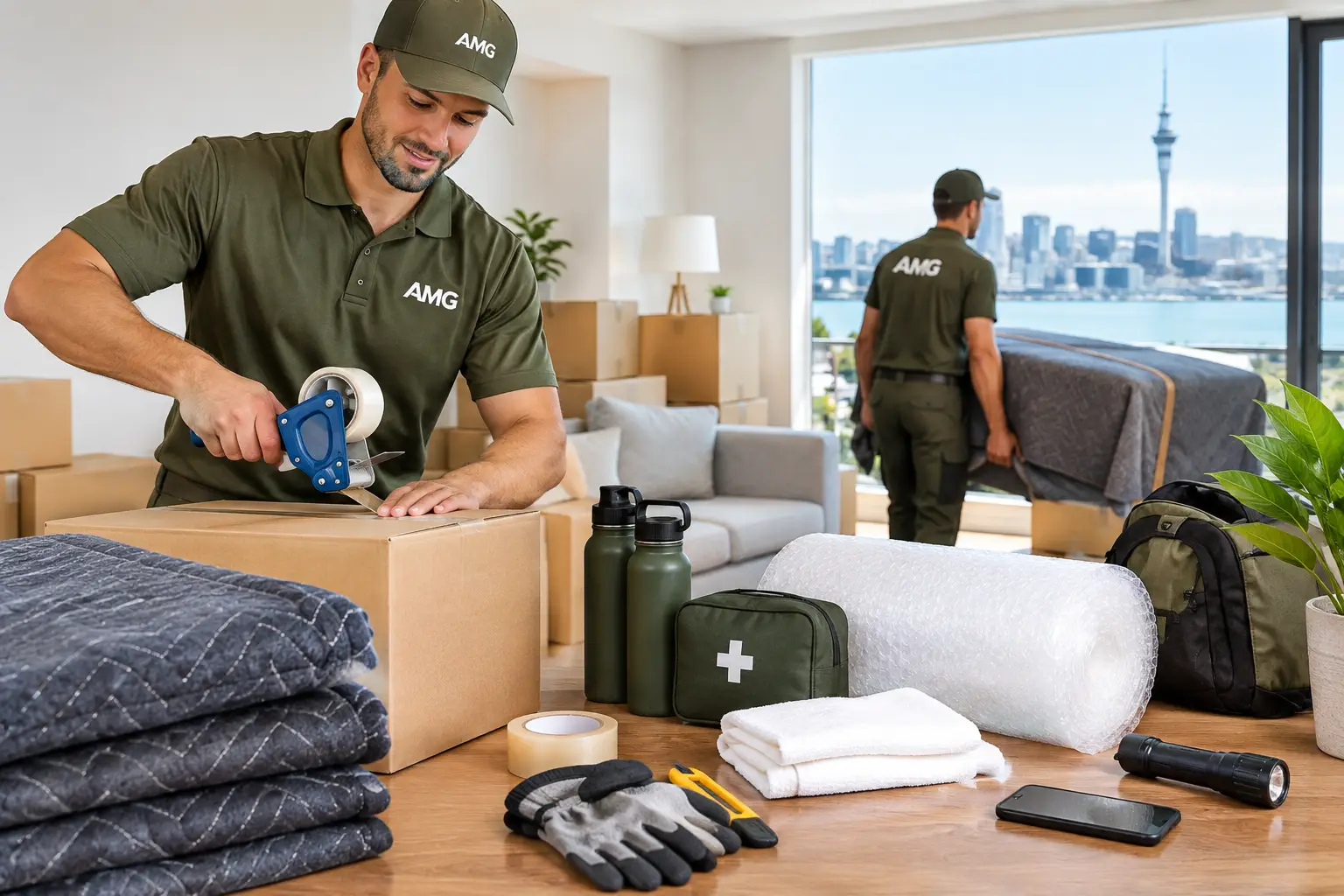
A move can be fully packed and still go wrong at 8 am because the keys are missing, the mobile is flat or nobody knows where the lift booking confirmation went. The best moving day essentials are not just boxes and tape. They are the small, controlled details that keep people moving, protect your belongings and prevent avoidable delays that add cost and stress.
This is the practical kit worth preparing before the truck arrives. Keep it separate from packed cartons, clearly labelled and with you – not buried in the back of a wardrobe box.
The non-negotiable moving day essentials
Start with one sturdy bag, crate or small suitcase that does not go on the truck until you are ready. It should carry your critical paperwork, keys, medication, wallets, chargers and a basic change of clothes. If you are moving with children or pets, prepare a separate day bag for them too. Trying to locate these items halfway through loading is a poor use of anyone’s time.
Your key documents should include photo identification, tenancy or settlement paperwork, removal booking details, new property access instructions and any parking or building-management approvals. Take clear photos of important documents as a backup, but do not rely solely on your phone. Batteries go flat, screens crack and reception can be unreliable in lifts or new developments.
Bring every key, remote and access device you may need: house keys, mailbox keys, garage remotes, fobs, alarm codes and storage-unit keys. Put them in a labelled pouch. Do not hand over keys until you have checked cupboards, sheds, garages and outdoor areas at the old address.
A fully charged mobile and power bank are equally important. Moving crews, agents, building managers and family members all need to reach you. Keep the charging cable in the same bag rather than packing it with office equipment. For longer intercity moves, a car charger is sensible insurance.
Essentials that make the move run on time
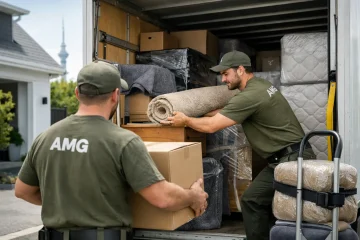
Professional movers work efficiently when access is ready. That means the driveway, loading area and route to the front door are clear before the truck arrives. Move cars where necessary, unlock gates and remove obstacles from paths, hallways and stairwells. If parking is tight, organise the required permit or reserve a suitable space in advance.
Apartment and office moves need extra preparation. Confirm lift times, loading-dock access, height restrictions and building rules with management well before moving day. A large furniture truck cannot simply stop wherever it suits, and a missed lift booking can turn a straightforward job into a slow, expensive one.
Keep these practical items available near the door:
- A marker pen, labels and a notepad for last-minute instructions
- A box cutter or scissors, used carefully and stored safely away from children
- Cleaning cloths, paper towels, rubbish bags and multipurpose cleaner
- Toilet paper, hand soap and a hand towel for the new property
- Bottled water, simple snacks and a kettle or coffee supplies if the day runs long
These are not glamorous purchases, but they stop minor problems becoming time-wasting searches. They also make the new place usable while the rest of the household is still in cartons.
Furniture protection is not optional
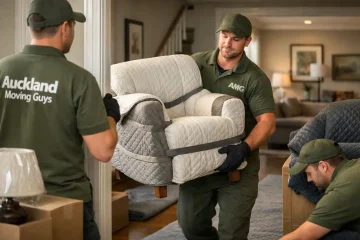
The best moving day essentials for furniture are the ones that prevent impact, rubbing and moisture damage during handling and transport. Quality movers should arrive with clean, fit-for-purpose trucks and proper protection, including furniture blankets, straps, trolleys and equipment suited to the job. That is part of professional moving, not an upgrade customers should have to chase.
There are still jobs to do before the crew arrives. Empty drawers where practical, particularly from heavy pieces such as filing cabinets, tallboys and sideboards. Remove loose shelves, glass panels and detachable legs if they are designed to come off. Put screws, brackets and small fittings into labelled bags, then tape the bag securely to the relevant item or keep all hardware in your essentials crate.
Use bubble wrap or packing paper for fragile pieces, but understand its limits. A thin layer of wrap will not make a marble tabletop, mirror or television safe if it is loaded poorly. Heavy, awkward or high-value items need the right handling method, secure placement in the truck and experienced people who know where the risks are.
Take photos of valuable furniture and electronics before the move, especially if an item already has a scratch or mark. This gives everyone a clear reference point and helps prevent confusion later. It is a sensible record, not an accusation.
Keep a first-night box out of the truck
Pack one clearly marked box for the first few hours in the new home. Include bedding, pyjamas, towels, basic cookware, plates, mugs, cutlery, a torch, light bulbs, cleaning supplies and a few pantry basics. Add pet food, baby supplies or school essentials where relevant.
The purpose is simple: you should be able to sleep, wash up and make a cup of tea without opening ten cartons. If possible, carry this box in your own vehicle. It should be the first thing you unload, not the last thing you find.
Special items need a proper plan
Pianos, spa pools, safes, statues, large aquariums and stone furniture are not standard household cartons. They may need additional labour, specialist equipment, route planning or a different vehicle setup. The same applies to oversized refrigerators, commercial cabinets and heavy gym equipment.
Do not leave these items off the inventory in the hope the crew can “have a go” on the day. Give your mover accurate dimensions, photos, weights where known and details of stairs, tight corners, steep driveways or restricted access. A proper operator will assess the risks and advise what is required. This protects the item, the property and the people doing the lifting.
For a piano, for example, a furniture trolley and blankets alone are not the full answer. Weight distribution, stair angles, securing points and the truck layout all matter. Cutting corners around heavy items is where damage and injuries happen.
What not to pack in the moving truck
Some essentials need to stay with you because they are dangerous, temperature-sensitive or too valuable to be out of your control. Check with your mover about their specific conditions, but as a general rule, keep cash, jewellery, passports, medication, important documents and irreplaceable personal items in your own vehicle.
Avoid packing hazardous goods such as fuel, gas bottles, paint, chemicals, fireworks and loose batteries without first confirming safe transport requirements. These items can create serious safety issues in an enclosed truck. Drain and clean equipment such as lawnmowers where required, and make sure the movers know about anything unusually heavy or potentially hazardous.
Plants also deserve thought. They can spill soil, leak water and suffer in a hot vehicle. Short local moves may be manageable if plants are properly contained, but longer transport can be less forgiving. It depends on the season, distance and the plant itself.
The final 30-minute check
Before departure, walk through every room methodically, including wardrobes, cupboards, the laundry, garage, shed, letterbox and outdoor areas. Open every door rather than trusting memory. Check behind doors and on high shelves, where small but important items are often left behind.
At the new address, direct the crew before unloading begins. Confirm which rooms are which, point out fragile flooring or tight access areas, and identify where large furniture should go. Clear instructions early are far better than repeatedly shifting a heavy sofa between rooms later.
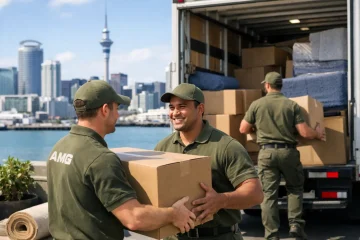
Auckland Moving Guys Ltd. sees the difference preparation makes every day. When access is ready, the inventory is accurate and essentials are kept close, trained movers can focus on the work that matters: loading safely, protecting furniture and getting you settled without wasted time.
Moving day rarely feels perfectly calm, but it should feel controlled. Pack your essentials bag early, keep the route clear and deal with special items honestly before the truck is booked. Those simple decisions give the move a far better chance of finishing the way it should – with your belongings where they belong and your first night already manageable.

0 Comments