
Residential Movers Who Protect Your Home
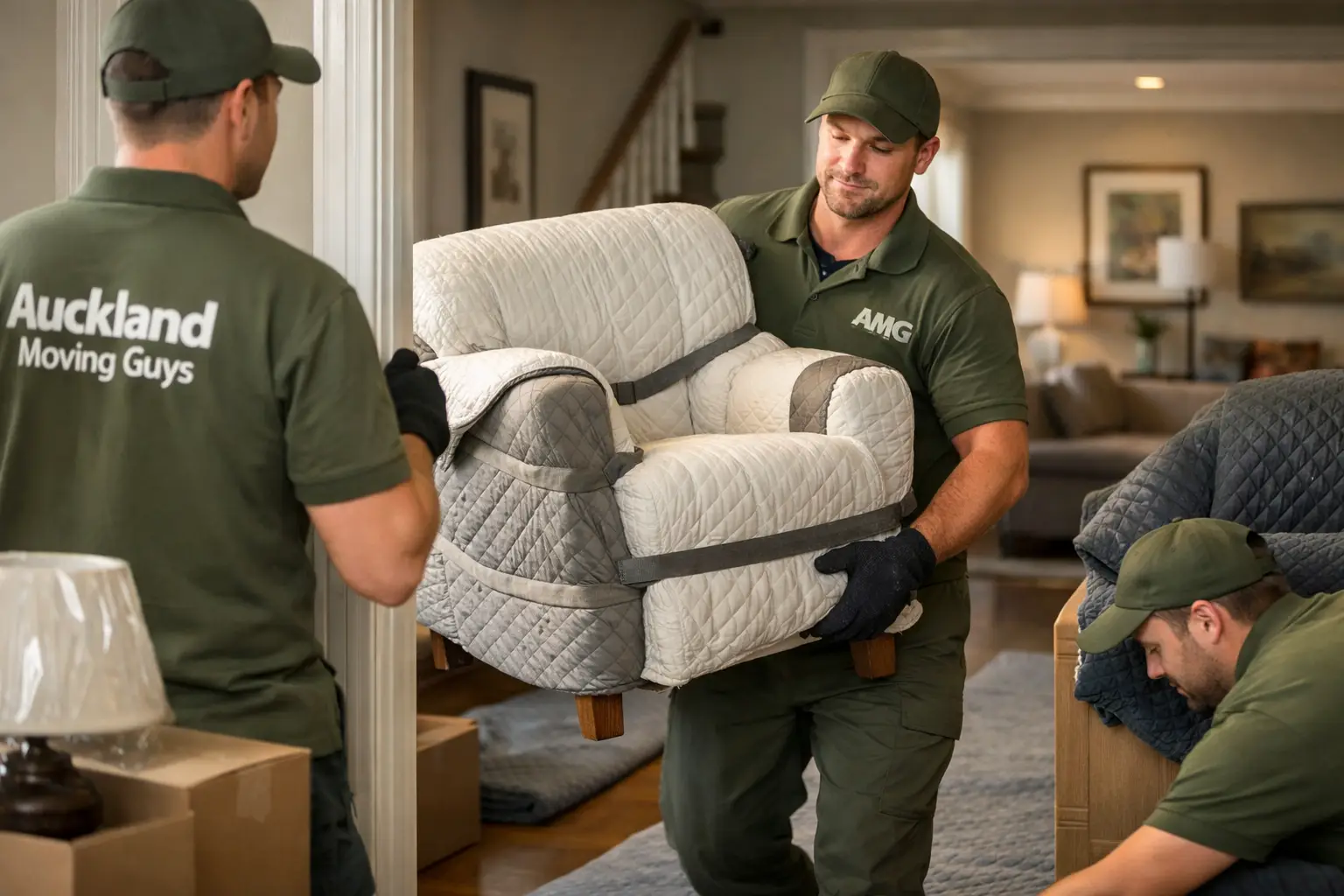
The expensive part of a house move is rarely the truck. It is the damage, delays and stress that follow when the wrong people are trusted with a full home. Good residential movers do more than carry boxes from one address to another. They plan access, protect furniture, load in the right order and keep the day moving without treating your belongings like replaceable freight.
That distinction matters whether you are moving a one-bedroom flat, a family home, or a large property with heavy furniture and difficult access. A cheap quote can look attractive until a crew arrives late, lacks the right equipment, or burns hours working around problems an experienced operator would have identified before the job began.
What Residential Movers Are Really Responsible For
A residential move is a chain of decisions. Parking, stairs, lifts, tight driveways, fragile items, dismantling, loading order and delivery access all affect the result. If one part is poorly handled, the rest of the day slows down.
Professional movers take responsibility for that chain. They should ask sensible questions before quoting, including where the truck can park, whether there are stairs or lift bookings, what large items need attention, and whether access at either end is restricted. This is not unnecessary paperwork. It is how a mover sends the appropriate truck, crew and equipment rather than turning up hoping the job is straightforward.
The crew itself matters just as much. Furniture moving is physical work, but it is also skilled work. A trained mover knows how to wrap and carry a solid timber table without damaging its corners, manoeuvre a sofa through a narrow hallway, secure a load so it does not shift in transit, and protect walls, floors and door frames while doing it. Strength without technique is not a moving service.
The Difference Between a Moving Company and a Booking Middleman
Many customers assume the business taking their enquiry is the business doing the move. That is not always the case. Some websites generate leads and pass the work to whoever is available. When something goes wrong, responsibility can become unclear very quickly.
Dealing directly with the company that supplies the truck and crew gives you a clearer line of accountability. You know who is arriving, who manages the job, and who you can contact if plans change. It also reduces the risk of a booking being sold on to an unfamiliar subcontractor with different standards, equipment or pricing expectations.
Ask plainly whether the company employs or directly manages its movers, whether it operates its own vehicles, and who is responsible for your goods from collection to delivery. A professional operator will answer directly. Vague language about a “network” or an “available team” deserves closer attention.
The Equipment Behind an Efficient Move
A clean, purpose-built furniture truck is not a cosmetic extra. It is a working tool designed to protect household goods and allow a crew to load efficiently. The vehicle should have enough space for the move, suitable tie rails and securing systems, furniture pads, trolleys and the equipment required for awkward or heavy items.
An undersized truck can create an expensive problem. It may require additional trips, extend labour time and expose furniture to more loading and unloading than necessary. On the other hand, sending an unnecessarily large vehicle to a small job can be poor value if access is tight or the job does not warrant it. The right truck depends on the volume of goods, the distance, access conditions and whether specialist items are involved.
Protection materials are equally important. Mattresses, sofas, timber furniture, glass tables and appliances need appropriate coverings and careful placement in the truck. Heavy pieces should be secured so they cannot move under braking or around corners. Fragile items need to be loaded where they will not be crushed by a rushed final load.
This is where trained crews earn their keep. They do not simply fill empty space. They build a stable, protected load that arrives in the same condition it left.
How to Compare Residential Movers Properly
Comparing moving quotes is sensible, but comparing only the bottom number is not. Two prices may cover very different levels of service, crew capability and accountability.
Start by checking what the quote actually includes. Is the rate based on the right number of movers and the right size truck? Does it account for stairs, long carries, difficult parking, lift delays or travel between locations? Are packing materials, dismantling and reassembly included when required, or charged separately? Clarity before moving day prevents arguments after the truck is loaded.
It also pays to consider how the company handles special items. A piano, spa pool, safe, marble table or large statue cannot be treated like a standard dining chair. These items may require extra labour, specific equipment, a site assessment or a separate quote. A mover who promises everything without asking questions is not necessarily making your life easier. They may be failing to prepare.
Look for practical proof of standards. Transport licensing, relevant industry membership, well-maintained vehicles and experienced in-house crews all indicate that moving is the company’s actual work, not an occasional add-on. Auckland Moving Guys Ltd. operates on that direct-accountability basis because customers need the people who quote the job to understand what it takes to complete it safely.
Your Preparation Can Save Time Without Cutting Corners
Professional movers should handle the hard work, but a little preparation helps keep the job efficient. The goal is not to do their work for them. It is to remove avoidable delays.
Before the crew arrives, make sure accessways are clear, parking arrangements are confirmed and children or pets are safely out of the moving path. Set aside essentials such as medication, passports, chargers, keys and documents so they do not disappear into a box. If furniture is staying behind, label it clearly. If anything requires particular care, point it out before loading starts rather than after it is already on the truck.
For packed boxes, use sturdy cartons, avoid overfilling them and label the room they are going to. A box marked simply “miscellaneous” slows unloading and makes the first night in a new home harder than it needs to be. Keep boxes manageable in weight, especially books, kitchenware and tools.
Good preparation also means being honest about what needs moving. That includes items in garages, sheds, storage units, roof spaces and on balconies. The crew can only plan for what they know about. A last-minute pile of heavy garage gear or a large outdoor setting can affect truck space, labour time and the order of the load.
When Packing Help Is Worth It
Packing yourself can reduce the direct cost of a move, particularly when you have time, suitable materials and a modest amount of household goods. But it is not always the cheaper choice overall. Poorly packed cartons break, take longer to load and can create disputes about pre-existing or packing-related damage.
Packing assistance is particularly useful for busy families, people moving on a tight settlement timeline, and homes with fragile collections, glassware or high-value furniture. It can also make sense when a move is combined with a renovation, downsizing or temporary storage. The trade-off is simple: you pay more for skilled packing, but you gain time, better protection and a more orderly moving day.
Whether you pack yourself or use a professional service, do not use rubbish bags for items that can be crushed, torn or confused with actual rubbish. Proper cartons, wrapping and labels make a measurable difference.
A Better Standard for Moving Day
The best move is not necessarily the fastest-looking one. It is the one completed efficiently without shortcuts that put your belongings, home or budget at risk. A disciplined crew works at a steady pace, communicates clearly, protects vulnerable surfaces and adapts when access is more difficult than expected.
You should feel comfortable asking questions before work begins: who is leading the crew, how will fragile items be protected, what is the loading plan, and what happens if there is a delay at the delivery address? Straight answers are a good sign. So is a crew that takes a few minutes to inspect the job before lifting the first item.
Choose movers who are prepared to carry the responsibility, not just the furniture. When your household is on the truck, careful planning and capable hands are worth far more than a bargain that only exists on paper.



0 Comments