
How to Prepare for Movers Without Delays

A truck parked two streets away, a lift booking that was never confirmed, or loose items still scattered through the kitchen can turn a straightforward move into an expensive, drawn-out day. Knowing how to prepare for movers is not about making everything look perfect. It is about giving a trained crew clear access, safe loads and the information they need to get your belongings from A to B without wasted time or avoidable damage.
Professional movers can handle the lifting, loading and transport. Your preparation determines how efficiently that work can be done. The better the site is organised, the more time the crew can spend protecting and moving furniture rather than waiting for decisions, hunting for boxes or working around access problems.
How to prepare for movers before moving day
Start with a realistic plan well before the truck arrives. If you are moving a full household, allow several weeks to sort, pack and arrange access. A smaller flat or office may need less time, but the same principle applies: do not leave the decisions until the last night.
First, reduce what needs to travel. Moving unwanted furniture, broken appliances and bags of rubbish costs time, space and money. Sell, donate, recycle or dispose of items you no longer need. Be honest about bulky pieces that have not been used for years. A move is often the best opportunity to stop paying to transport and store them.
Then make a simple inventory of the larger items. Include furniture that needs dismantling, fragile pieces, heavy items and anything with unusual access requirements. This is especially useful for pianos, safes, spa pools, marble tables, statues and oversized commercial equipment. A standard furniture truck and trained team can manage many difficult items, but only if the mover knows what is involved before quoting and allocating the right crew and equipment.
Take measurements where access is tight. Check stairwells, lift doors, hallways, gates and the new property’s entrances. Measure large sofas, fridges, bedheads and cabinets if there is any doubt. A furniture item that fits through one home’s wide doorway may not clear a narrow townhouse stairwell or apartment lift at the other end.
Confirm access at both addresses
Access is one of the biggest influences on moving time. Reserve building lifts and loading bays if you are moving from or into an apartment, unit complex or commercial building. Ask the building manager about permitted moving hours, insurance requirements and whether protective coverings are required in common areas.
At houses, make room for the truck as close as possible to the entrance. Move cars from the driveway, clear bins and outdoor furniture, and make sure gates can open fully. If parking is limited, arrange the necessary permits or speak with neighbours early. A crew carrying furniture over a long distance, up multiple flights of stairs or around parked vehicles will need more time than a crew loading from a clear driveway.
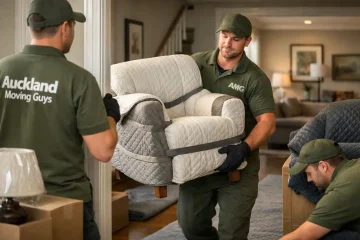
Walk through both properties and remove trip hazards. Roll up loose rugs, clear toys and garden tools, secure pets, and keep children away from loading areas. Good movers work carefully, but a clear path gives them the safest conditions to do their job properly.
Pack for protection, not just for speed
Packing is where many moves go wrong before the truck even arrives. Grocery boxes, thin cartons and loosely filled bags may be fine for a short trip in your own car. They are not always suitable for stacking in a moving truck with the weight of other household goods around them.
Use strong moving cartons in sensible sizes. Keep heavy items such as books, files and tools in smaller boxes. Use larger cartons for lighter belongings such as linen, cushions and clothing. Fill empty spaces with packing paper or other suitable cushioning so contents do not shift, but do not overfill boxes until the bottoms bulge or lids cannot close.
Label every box on at least two sides with the destination room and a brief description of what is inside. “Kitchen – everyday plates” is far more useful than “miscellaneous”. Mark genuinely fragile cartons clearly, but pack them correctly as well. A fragile label does not prevent breakage if glassware is loose inside a weak box.
Keep all packed boxes sealed and ready to load before the crew arrives. If you need packing help, arrange it in advance rather than expecting the moving team to pack an entire house during a loading slot. Packing assistance can be a smart choice for busy families, offices or fragile collections, but it needs to be planned as part of the service.
Prepare furniture and appliances properly
Empty drawers, shelves and cabinets unless your mover has specifically advised otherwise. Loose contents add weight, shift during handling and can damage the furniture itself. Remove lampshades, detachable glass shelves and decorative items. Pack screws, remote controls and small fittings in labelled bags, then tape the bag securely to the relevant item or keep it in your essentials box.
Defrost and dry the fridge and freezer at least 24 to 48 hours beforehand, depending on the appliance. Empty water from washing machines and disconnect appliances according to manufacturer instructions. Gas, electrical and plumbing disconnection should be handled by the appropriate qualified tradesperson where required.
Do not assume every item can travel in a moving truck. Flammable liquids, gas bottles, chemicals, ammunition and some batteries may be restricted or unsuitable for transport. Ask your mover in advance if you are unsure. It is better to clarify this before the truck is loaded than discover a prohibited item at the door.
Separate the things movers should not carry
Keep valuables, critical paperwork and personal necessities with you. This is not a reflection on the crew. It is sensible risk control. Passports, jewellery, cash, medications, laptops, keys, legal documents and irreplaceable photographs are best transported in your own vehicle where possible.
Prepare one clearly marked essentials box or overnight bag for the first 24 hours. Include chargers, medications, toiletries, basic kitchen items, cleaning supplies, snacks, drinking water, toilet paper and bedding. When you arrive tired at a new home, the last thing you want is to search through 40 cartons for a phone charger or the kettle.
If you are moving an office, treat business-critical items the same way. Back up files, secure confidential documents, label IT equipment carefully and nominate one person to make decisions on the day. A commercial move runs more smoothly when staff know what is moving, what is staying and where each workstation is going.
Give the moving crew the full picture
The quote is only as accurate as the information provided. Tell your mover about stairs, narrow access, difficult parking, long carries, lift bookings, oversized furniture, storage stops and any change to the item list. This is not about creating excuses for extra charges. It allows a professional operator to send the right number of trained movers, the appropriate truck and the equipment required to protect your belongings.
On moving day, be available when the crew arrives. Walk them through the property, point out items that are not going, identify fragile or high-value pieces and confirm the destination address and access arrangements. If possible, use simple labels such as “do not move” on anything that stays behind. Clear instructions at the start prevent confusion later.
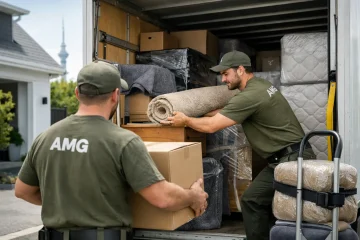
Avoid directing every lift or trying to rush safe handling. Experienced movers have loading methods designed to secure furniture, distribute weight and reduce damage in transit. Your role is to provide information, access and timely decisions. Their role is to carry out the move with discipline and care.
Before the truck leaves, do a final check of cupboards, wardrobes, sheds, garages and outdoor areas. At the new address, direct boxes and furniture into the correct rooms as they come off the truck. It may take a few extra moments at the door, but it saves hours of shifting heavy cartons around after the crew has left.
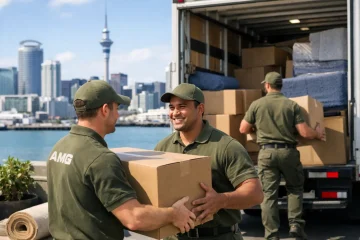
A well-prepared move is not the one with the most colour-coded labels. It is the one where the right people, equipment and information are ready before the first piece of furniture is lifted. That is how you protect your belongings, control moving time and arrive with a home or workplace you can actually start using.

2 Comments
Best Way to Move Sofas Without Damage or Delay - Auckland Moving Guys Ltd · July 14, 2026 at 5:39 am
[…] the sofa is lifted, clear the route, measure twice, remove what can safely be removed, and protect the piece properly. That small […]
Commercial Relocation Guide for Auckland Firms - Auckland Moving Guys Ltd · July 20, 2026 at 2:46 am
[…] a final walk-through of the old site. Check cupboards, storage rooms, kitchens, server areas, parking spaces and behind […]