
How to Choose Movers Without Costly Mistakes

The wrong mover usually looks fine on the phone. The problems show up later – late arrival, undertrained staff, a dirty truck, damaged furniture, and a vague answer about who is actually responsible. If you are working out how to choose movers, that is the real job: separating a genuine moving company from a cheap booking service or a rushed operator who turns your move into a longer, riskier, more expensive day.
A good move is not just about getting items from one address to another. It is about planning, handling, loading, transport, access, timing, and accountability. When a company gets those basics right, your costs stay controlled and your belongings are better protected. When they do not, every hour becomes more expensive.
How to choose movers by checking who actually does the work
One of the biggest mistakes people make is assuming the company taking the enquiry is the company doing the move. That is not always the case. Some businesses are lead generators or booking platforms. They collect the job, pass it on, and sit between you and the people who turn up on moving day.
That creates a responsibility gap. If there is damage, delay, or a dispute about what was promised, you can end up dealing with finger-pointing instead of solutions. Ask a direct question: are these your own movers, your own trucks, and your own booking? If the answer is unclear, keep looking.
A professional mover should be able to tell you exactly who will attend, what kind of truck will be used, and how the job will be staffed. That is basic accountability, not a premium extra.
Training matters more than people think
Furniture moving is skilled physical work. It is not just lifting boxes and hoping for the best. Proper movers need to know how to protect timber, wrap upholstered items, secure loads, manage stairs, deal with tight access, and move heavy pieces without damaging walls, floors, or themselves.
This is where cheaper operators often come unstuck. If the crew is casual, inexperienced, or poorly supervised, the move slows down fast. Large items take longer to get out, packing in the truck is less efficient, and breakage risk goes up. That does not save money. It usually means you pay for extra hours and wear the stress that comes with them.
When you ask how staff are trained, you are not being difficult. You are checking whether the company treats moving as a profession or just labour hire with a truck.
Ask what equipment is used on the day
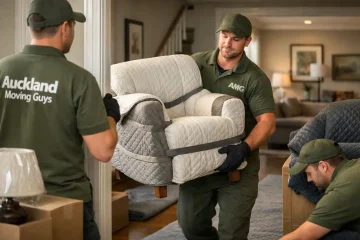
The quality of equipment tells you a lot about the operation. Purpose-built furniture trucks, clean moving blankets, proper trolleys, straps, ties, and protective materials are not cosmetic details. They affect how safely and efficiently your belongings are handled.
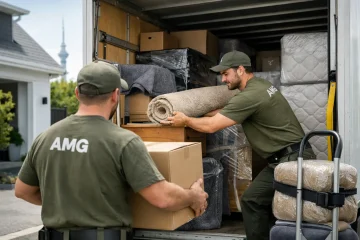
A tidy, fit-for-purpose truck also matters. Furniture should not be loaded into a vehicle that is dirty, poorly organised, or unsuitable for household goods. The wrong truck setup increases movement in transit and raises the chance of scuffs, crushing, and wasted loading time.
If you have awkward or oversized items such as pianos, safes, marble tables, statues, or spa pools, ask whether the mover handles those items regularly. Specialty transport is not the same as a standard lounge suite and fridge move.
Do not compare quotes without comparing the job properly
A lot of customers think choosing movers comes down to price. It does not. It comes down to what is included, how realistic the quote is, and whether the company has understood the move.
A low quote can be based on too few movers, the wrong truck size, vague access assumptions, or missing details about stairs, long carries, disassembly, or heavy items. That cheap number looks good until moving day runs over by several hours.
A proper quote should reflect the real conditions of the job. Be clear about the property type, access at both ends, parking, lift access, fragile items, oversized furniture, packing requirements, and whether anything needs to go to storage or a second address. The more accurate the information, the more useful the quote.
What a good quote conversation sounds like
It should feel detailed, not rushed. A professional mover will ask sensible questions because they are trying to price and plan the move properly. If someone gives you a figure in two minutes without asking much, they are probably guessing.
You should also ask how charges work. Is it hourly, fixed-rate, or a mix depending on the job? Are there minimum hours? Is travel time included? What happens if access is worse than expected? Clear answers now prevent arguments later.
Look for licensing, standards, and real business credibility
Moving companies handle valuable belongings, enter homes and workplaces, and operate commercial vehicles. That should come with proper standards.
If you are serious about how to choose movers, check whether the business is licensed to operate its transport properly and whether it presents itself like a real long-term operator. Association membership, established branding, commercial-grade vehicles, and a clear physical service model all matter. They show the business is set up to do this work professionally, not casually.
This does not mean every small operator is bad and every large one is good. It means you should look for evidence of discipline. A genuine moving company should be able to explain its process, its equipment, its coverage area, and its responsibility for the job without hesitation.
Reviews help, but ask better questions
Reviews can be useful, but not if you only look at the star rating. Read for patterns. Do customers mention punctuality, care with furniture, problem-solving, and clear communication? Or do they mention damage, time blowouts, hidden extras, and crews that seemed unprepared?
It is also worth asking the company direct questions based on the risks that matter to you. How do you protect whiteware and timber pieces? What happens if access is difficult? Have you done moves like mine before? How do you handle office furniture, delicate items, or intercity transport?
The quality of the answer usually tells you more than the marketing does. Experienced movers answer calmly and specifically. Inexperienced ones stay vague.
Match the mover to the type of move
Not every move is the same, and not every company is suited to every job. A small flat move within the same suburb is different from a family home relocation, a commercial move, or a North Island intercity job with storage and fragile items involved.
That is why specialisation matters. If you are moving an office, you need a team that understands timing, access, and minimising disruption. If you are relocating a house with heavy furniture and packing support required, you need enough crew, proper truck capacity, and a process that keeps the day moving. If you are transporting specialty items, you want movers who do not treat those pieces like just another booking.
Auckland Moving Guys Ltd. has built its service around exactly these practical differences – trained in-house movers, purpose-built trucks, and direct accountability for the work. That model matters because moving day is not the time to find out your booking was just passed along.
Watch for red flags before you book
Some warning signs are obvious. Others are easy to miss because people are focused on dates and price.
Be cautious if a mover is hard to pin down on who will attend, avoids detailed questions, cannot explain charges clearly, or seems too relaxed about access challenges and heavy items. Be equally cautious if the quote is far below everyone else’s without a solid reason. In moving, unrealistically cheap often means unrealistically planned.
Another red flag is poor communication. If the admin side is messy before the job, there is a fair chance the move itself will be the same. Good operators are usually prompt, clear, and practical from the first call.
The best choice is usually the mover with the least uncertainty
Most people do not book movers often, so they focus on what they can easily compare – usually price. A better approach is to compare risk. Who actually does the work? How well are they trained? What truck and equipment are they using? Have they understood the move? Are they clear about responsibility if something goes wrong?
That is how to choose movers sensibly. Not by finding the cheapest promise, but by choosing the company that looks prepared, accountable, and capable of protecting your time and your belongings.
If a mover gives you confidence before the truck even leaves the depot, that is usually a sign you are talking to the right people.


0 Comments