
Furniture Packing Supplies Auckland Guide

A sofa wrapped in the wrong material can come off the truck with scuffs on the corners, stretched fabric, or moisture trapped where it should never be. That is why choosing the right furniture packing supplies Auckland customers use for home moves, office relocations, storage, or intercity transport is not a small detail. It directly affects damage risk, loading speed, and what your move ends up costing in time.
Most people underestimate packing supplies because they focus on boxes first. Boxes matter, but furniture is where damage gets expensive. Dining tables, bed frames, marble tops, office desks, TVs on units, and oversized lounge suites all need the right level of protection for their material, shape, and destination. A short move across Auckland is one thing. A longer run between Auckland, Hamilton, or Whangarei is another.
What furniture packing supplies Auckland moves actually need
The right materials depend on whether you are protecting against scratches, impact, dust, moisture, or movement inside the truck. One supply rarely does every job well. That is where a lot of DIY packing goes wrong.
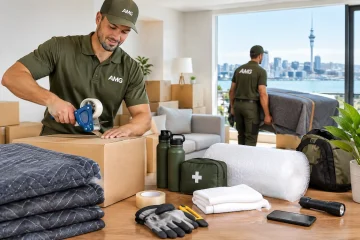
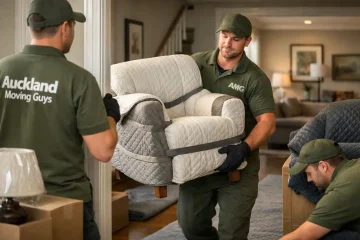
Moving blankets are the workhorse for furniture protection. Good quality blankets cushion timber, painted surfaces, entertainment units, office desks, and whiteware from rubbing during loading and transport. They are far more reliable than old doonas, sheets, or random towels, which shift easily and leave corners exposed.
Stretch wrap is useful, but only when used properly. It keeps blankets in place, secures drawers and doors, and helps bundle loose parts together. What it should not do is sit directly on delicate timber finishes, leather, or polished surfaces for extended periods, especially in warm conditions. Plastic against the wrong finish can mark, sweat, or leave residue.
Bubble wrap has its place, but not for every item. It is effective for glass inserts, mirrors, decorative panels, and detached fragile parts. It is less useful as a first layer on large furniture because it can pop under pressure and does not provide the same broad cushioning as a blanket. For some finishes, it also needs a protective layer between the surface and the plastic.
Cardboard edge protectors are often overlooked. They make a real difference on table corners, framed items, shelving, and office furniture with sharp edges. Those are the pressure points that cop the worst knocks in tight hallways, lifts, truck bodies, and storage units.
Mattress bags and furniture covers matter for hygiene as much as protection. A clean mattress loaded into a dusty truck without a sealed cover is asking for trouble. The same goes for fabric lounge pieces going into storage or travelling over distance.
Cheap materials usually cost more
There is a reason professional movers are fussy about packing supplies. Low-grade tape splits. Thin cardboard crushes. Cheap stretch film tears under tension. Weak covers rip when dragged around corners or lifted through narrow stairwells. Once that happens, the item underneath wears the damage.
This is also where people burn money without realising it. Poor materials slow the move down. If a crew has to stop and rewrap furniture, tape up torn covers, or deal with drawers falling open, the clock keeps running. Saving a few dollars on supplies can add far more to labour time, especially on hourly jobs.
For business relocations, the stakes can be even higher. Office desks, boardroom tables, filing units, screens, and reception furniture need to arrive ready for setup, not ready for repair. A disorganised packing job creates delays on both ends of the move.
Matching supplies to the furniture matters
Not every piece should be packed the same way. Timber furniture usually needs padded protection first and securing film second. Glass needs cushioning, edge protection, and upright handling where possible. Upholstered items need clean coverings that protect against dirt and tears without crushing the fabric.
Heavy items need a different mindset again. Safes, marble tables, spa pool components, statues, and pianos are not just heavy versions of normal furniture. They need packing supplies that work with lifting technique and equipment, not against it. If the wrapping shifts while an item is being manoeuvred, that becomes a safety issue as well as a damage issue.
Flat-pack furniture is another common trap. People assume it is easier because it came in pieces once before. In reality, once assembled, many flat-pack units are weaker in transit than solid timber furniture. Overwrapping can hide weak points, but it does not strengthen them. These pieces often need careful handling, selective disassembly, and realistic expectations.
Furniture packing supplies Auckland customers should not rely on
Improvising with household materials is one of the fastest ways to create preventable damage. Newspaper can transfer ink. Loose sheets slip off. Rope can dent edges. Bin liners tear too easily. Masking tape is not moving tape. Even supermarket boxes can fail if they are holding dense items or stacked in a truck.
The other issue is false confidence. A piece of furniture can look well packed in the lounge room and still be poorly protected for transport. The move itself is where weak methods get exposed – tight doorways, uneven driveways, rain, truck loading pressure, and stacked freight all reveal what was done properly and what was not.
When buying supplies makes sense, and when service matters more
If you are handling your own packing, buying the right materials upfront is sensible. It gives you control over timing and lets you prepare room by room. That works well for straightforward moves where the furniture is standard, access is easy, and there are no unusual handling issues.
But supplies alone do not solve poor packing decisions. The material is only half the job. The other half is knowing how to wrap a dining table so the legs are protected, how to secure a fridge without damaging seals, how to prep a bed base for narrow access, or how to protect a marble top without creating pressure points.
That is where experienced movers earn their keep. Proper packing reduces damage risk, yes, but it also keeps the move moving. Efficient loading, stable stacking, and clear truck placement all come from knowing what each wrapped item can and cannot handle.
For customers who care about accountability, this matters. There is a difference between a company that actually moves furniture every day and a booking service that outsources the job to whoever is available. One knows what supplies are required because they are responsible for the result. The other often is not.
How to judge whether your packing plan is good enough
A useful test is simple. Ask whether each item is protected from friction, impact, dirt, and movement. If the answer is no to any one of those, the packing is unfinished.
Then consider the route. Ground-floor pickup with wide access is one thing. Apartment lifts, tight villas, wet weather, gravel drives, and long carry distances all increase risk. Intercity transport adds more road movement and more need for secure wrapping. Storage adds another layer again because furniture may sit packed for weeks or months.
If you are moving office furniture, think beyond transport. Can the item be identified, unpacked, and placed efficiently at the other end? Supplies should support that process, not turn it into a guessing game with tape and plastic everywhere.
A practical approach to furniture packing supplies Auckland households can trust
Start with the furniture that would hurt most to replace or repair. That usually means solid timber pieces, upholstered lounge furniture, mattresses, electronics-related furniture, antiques, and anything awkwardly shaped. Use proper moving blankets, strong tape, quality stretch wrap, and purpose-made covers where needed. Add corner protection for exposed edges and bubble wrap only where it genuinely adds impact protection.
Do not overpack to the point that handling becomes harder. Too much plastic can make items slippery. Too much cardboard can hide grip points. Too much tape can damage surfaces during removal. Good packing protects the item while still allowing safe lifting and secure loading.
And be honest about your limits. If the move includes stairs, oversized furniture, fragile finishes, or heavy specialty items, the cost of getting it wrong is usually higher than the cost of getting proper help. That is one reason experienced operators such as Auckland Moving Guys put so much emphasis on trained crews, suitable trucks, and the right packing materials from the start.
A well-packed piece of furniture does not attract attention on moving day. It gets lifted, loaded, transported, and placed without drama. That is the goal. If your supplies and packing method reduce risk, save time, and protect what you own, they are doing their job.

1 Comment
Moving Oversized Furniture Safely at Home - Auckland Moving Guys Ltd · August 23, 2026 at 5:42 am
[…] at a disadvantage. Purpose-built moving equipment controls the item and protects the property. Furniture blankets prevent rubbing and impact damage, while stretch wrap helps hold padded coverings in place. Corner […]