
Packing and Moving Services Auckland Guide
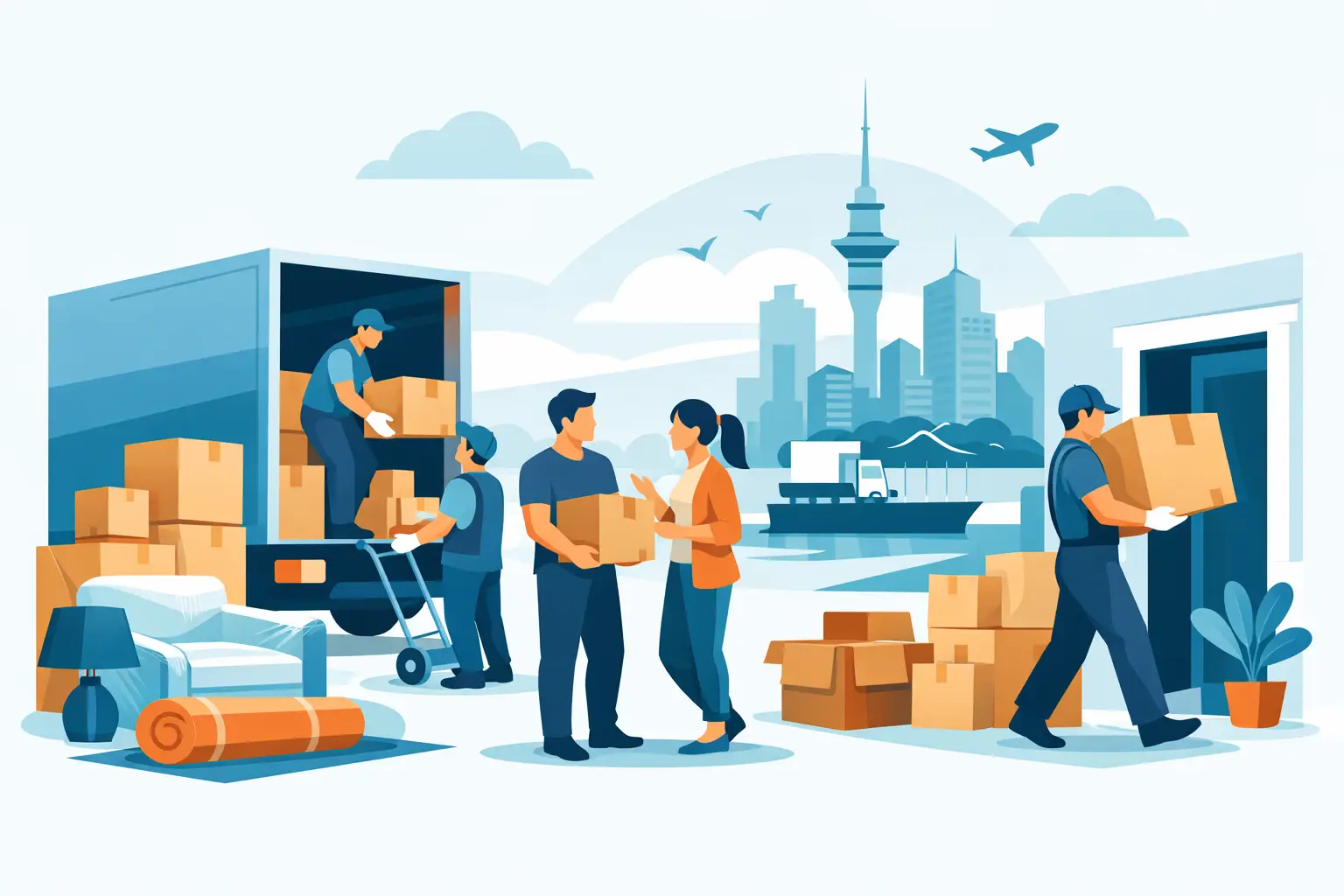
If you are comparing packing and moving services Auckland households and businesses rely on, the real question is not who can turn up with a truck. It is who can pack properly, load efficiently, protect your furniture in transit, and take responsibility when the job gets difficult. That difference shows up fast on moving day – in the condition of your belongings, the time the move takes, and how much avoidable stress lands back on you.
A proper move is an operational job, not a casual labour task. Packing, access planning, truck loading, furniture protection and handling heavy pieces all affect cost, risk and timing. When any one of those parts is done poorly, the customer pays for it through delays, damage, or both.
What good packing and moving services in Auckland actually cover
A lot of people assume packing is just boxes and tape. It is not. Good packing starts with knowing what needs cartons, what needs wrapping, what should travel upright, what has to be dismantled, and what cannot be stacked. A mover with experience will look at the volume, the access, the fragile items, and the heavy furniture before the first box is sealed.
For a house move, that often means protecting beds, sofas, dining tables, whiteware, TVs, artwork and anything awkward or easily marked. For an office move, it means a different kind of planning – workstations, chairs, IT equipment, filing systems and staged relocation so the business is not offline longer than necessary. The packing part and the moving part are tied together. If one is sloppy, the other becomes slower and riskier.
That is why full-service support matters. Some customers want a complete pack, move and unload. Others only need packing help for fragile items and labour for the heavy lifting. There is no single right option. It depends on your budget, timeline, and how much risk you are willing to take on yourself.
Why training matters more than low hourly rates
Cheap rates can look attractive when you are getting quotes. Then the truck arrives late, the crew is not trained, the furniture is not wrapped properly, and the clock keeps running while they figure out basic loading. A low hourly rate stops being cheap very quickly when the move drags out.
Experienced movers work faster because they know how to prepare, lift, stack and secure properly. They do not waste time debating how to get a couch through a tight hallway or guessing how to protect a marble top. They have done it before, and that experience protects both your belongings and your final bill.
Training also matters for safety. Heavy and specialty items such as pianos, spa pools, safes, statues and large stone furniture are not standard household freight. They need the right number of movers, the right equipment, and the right method. If a provider treats these items like just another chair and table job, that is a warning sign.
The truck matters more than most customers realise
One of the biggest gaps in the market is the difference between a purpose-built furniture truck and a vehicle that is simply available. A clean, suitable truck with the right tie rails, blankets, straps and loading setup helps prevent shifting, crushing and surface damage during transport. It also improves loading speed because the crew can build the load properly from the start.
A dirty or unsuitable truck is more than an appearance issue. It raises questions about standards. If the vehicle is poorly maintained, if the storage area is unclean, or if there is not enough protective equipment on board, customers are already carrying unnecessary risk.
Good operators take equipment seriously because it affects every move. That includes trolleys, ramps, blankets, shrink wrap, straps and packing supplies. When the equipment is right, the job runs smoother. When it is not, the customer becomes the one absorbing the consequences.
How to compare packing and moving services Auckland wide
The best way to compare providers is to look past the headline price and ask who is actually doing the work. Some businesses quote the job and then pass it elsewhere. That creates a responsibility gap straight away. If something goes wrong, customers can end up dealing with excuses, subcontracting confusion, or finger-pointing between parties.
Direct operators are generally the safer option because the people quoting, planning and performing the job are part of the same business. Accountability is clearer. Standards are easier to maintain. Communication is usually more direct as well.
It also helps to ask practical questions. Are the movers trained in-house? Is the business properly licensed for transport work? Do they handle residential, commercial and intercity moves regularly, or only occasionally? Can they provide packing supplies and packing labour if required? Do they have real experience with oversized or high-risk items?
These are not minor details. They tell you whether the provider runs a disciplined operation or is simply filling a booking diary.
When full packing is worth paying for
Not every move needs full packing. If you are moving from a small flat and have time to prepare, you may prefer to pack your books, clothes and kitchen items yourself, then book movers for the furniture and transport. That can be sensible.
But there are situations where professional packing is worth every dollar. Family homes with breakables, time-poor households, renovation moves, deceased estate clearances, office relocations and long-distance moves usually benefit from proper packing support. The same goes for customers with expensive furniture or fragile pieces they do not want to risk.
Professional packing can also reduce total move time. That sounds counterintuitive until you see what happens on the day. Clearly labelled cartons, correctly wrapped furniture and ready-to-go rooms allow the crew to load faster and unload with less confusion. If movers are waiting while customers scramble to finish packing, the clock keeps running anyway.
Residential, office and intercity moves are not the same job
A house move in Auckland traffic is one thing. An office relocation with access restrictions and downtime pressure is another. An intercity move between Auckland, Hamilton and Whangarei brings a different set of transport and scheduling considerations again.
That matters because experience should match the move type. Office relocations often need tighter sequencing, clearer inventory control and better coordination. Intercity moves require careful load security and realistic timing. Residential moves often involve stairs, narrow access, family schedules and a high volume of mixed household contents.
If a mover treats every booking like a basic local furniture shift, the planning may not be strong enough for a more complex job. Experienced operators adjust the approach to fit the move, rather than forcing every customer into the same process.
What drives moving costs up or down
Customers usually ask one fair question first – how much will it cost? The honest answer is that it depends on volume, access, travel distance, crew size, truck size, packing level and any specialty items involved.
There are, however, a few consistent patterns. Good preparation lowers cost. Easy access lowers cost. Accurate quoting lowers cost because the right truck and crew are allocated from the beginning. Poor packing, bad access information, underestimating the job volume, or leaving difficult items unmentioned can all increase time and labour.
This is another reason cheap quotes should be treated carefully. If the provider has not asked proper questions, the quote may not reflect the real job. That often leads to disputes, last-minute changes, or a move that starts under-resourced.
A fair quote is not just about being low. It is about being realistic.
The standard you should expect on moving day
By the time moving day arrives, you should not be wondering whether the crew knows what they are doing. A professional team should arrive prepared, communicate clearly, protect key items before handling, and work with urgency without turning the job into a rush. Fast is good when it comes from experience. Fast and careless is expensive.
You should also expect professionalism in the basics – clean presentation, suitable equipment, practical problem-solving and respect for your property. Floors, walls, entrances and shared building areas all matter, especially in apartments, offices and tight access homes.
This is where experienced operators stand apart from casual competitors. They understand that moving is not just transport. It is handling people’s homes, businesses and valuable possessions under time pressure. The service has to reflect that responsibility.
Auckland Moving Guys Ltd. builds its reputation on that exact point – trained movers, proper trucks, real accountability and no middleman confusion.
If you are planning a move, the best choice is usually the provider that asks the right questions early, explains the process plainly, and treats your furniture like it matters. That is the sort of service that saves money the right way – by avoiding damage, delays and second-rate handling in the first place.


0 Comments