
Office Relocation Auckland Done Properly

At 8:30 on a Monday, an office move can either look controlled or completely avoidable. The difference usually comes down to planning, crew quality, and whether the company handling your furniture and equipment actually knows commercial moving. If you are planning an office relocation Auckland business owners can rely on, the real goal is not simply getting desks from one address to another. It is protecting work time, reducing disruption, and avoiding the sort of damage and delays that cost more than the move itself.
Office relocations are different from house moves. There are more people involved, more fragile equipment, tighter building access, and usually less tolerance for wasted time. A cheap hourly rate can look good on paper, but if the crew is slow, poorly organised, or turning up with the wrong truck, your cost climbs quickly.
Why office relocation in Auckland needs proper moving discipline
Auckland adds its own pressures to any commercial move. Traffic windows matter. Loading zones matter. Lift bookings matter. So does the ability to work around building managers, parking restrictions, and limited access in the CBD, city fringe, or busy suburban commercial areas.
That is why office relocation Auckland projects need more than basic labour. They need sequencing. Good movers think about what loads first, what needs extra protection, what can travel assembled, and what must be reassembled on site without holding everyone up. They also understand that time spent standing around is not just frustrating – it is billable.
For a small or midsize business, downtime is often the biggest cost in the whole process. If staff cannot log in, answer phones, access files, or use meeting spaces, the business feels it straight away. A disciplined move protects continuity. A careless one creates a backlog before the first day in the new office has even started.
What separates a proper office moving team from a risky one
A lot of problems start before the truck arrives. Some companies quote the work and then pass it on. Others rely on casual labour with limited commercial moving experience. That creates a gap in accountability, and it is usually the customer who wears the risk.
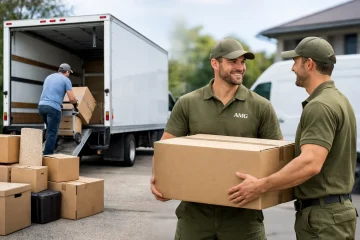
A proper office moving team should be trained, direct, and equipped for furniture transport. That means using fit-for-purpose trucks, proper blankets and tie-downs, trolley systems that suit office fit-outs, and crews who know how to handle workstations, boardroom tables, filing systems, monitors, and awkward commercial furniture without guessing on the job.
It also means understanding what not to do. Overstacking chairs, dragging desks, loading screens without protection, or mixing heavy items loosely in the truck are not minor mistakes. They are the reason businesses end up with scratched joinery, damaged electronics, and blown timelines.
If a mover cannot explain who will actually carry out the work, what truck is being used, or how the move will be staged, that should raise questions. In office moving, vague answers usually lead to expensive outcomes.
The planning stage that saves money later
Most office moves do not go wrong because the furniture was heavy. They go wrong because the planning was light. A practical relocation plan should map access at both sites, identify bulky or sensitive items, confirm parking and lift use, and decide the order in which teams, furniture, and equipment will move.
This is also where businesses need to be realistic. Not every office can be packed up Friday afternoon and operating perfectly by Monday morning without preparation. Sometimes the best option is a staged move. Sometimes key departments need priority. Sometimes old furniture should be removed from scope altogether so time is not wasted transporting items that will not be used.
Labelling matters more than many businesses expect. If desks, screens, chairs, boxes, and shared equipment are not clearly assigned, the unpack at the other end slows everything down. The moving crew can only work efficiently if the business has made clear decisions about what goes where.
For that reason, the best office relocation jobs are a partnership. The mover brings transport discipline, handling skill, and execution. The business provides clear floor plans, staff coordination, and decision-making. When both sides do their part, the move runs faster and cleaner.
Furniture, equipment and the hidden risk points
Office furniture can look straightforward until it meets a narrow stairwell, a shared lift, or a glass entry. Workstations may need partial disassembly. Large meeting tables often need careful handling to avoid twisting or surface damage. Filing cabinets can become a safety issue if they are moved incorrectly, especially when contents shift inside.
Electronics add another layer. Screens, printers, desktop computers and specialist devices all need proper packing and loading. Even when an item is not visibly damaged, rough transport can create faults that only show up later. That is one reason experienced businesses would rather pay for competent handling than gamble on a bargain crew.
Heavy or specialty items need even more care. Safes, marble tops, statues, and other awkward pieces cannot be treated like standard office furniture. They require planning, the right equipment, and movers who understand weight distribution, access risk, and truck loading balance. This is not the place for trial and error.
Why the right truck matters more than people think
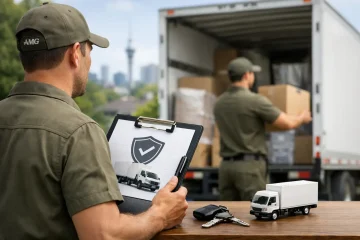
One of the simplest ways to tell whether a moving company takes commercial work seriously is to look at its equipment. Clean, purpose-built furniture trucks are not a cosmetic detail. They affect protection, efficiency, and load security.
A truck set up for furniture transport allows better stacking, better restraint, and less handling damage. It also helps crews load in a way that avoids crushing lighter items under heavier ones. By contrast, a general freight vehicle or an untidy truck can add risk before the move has even left the car park.
The same goes for moving gear. Trolleys, straps, blankets and protective materials are not extras for difficult jobs. They are the basics. If a team arrives without enough proper equipment, they make up for it with more manual handling, more delay, and more chance of damage.
How to keep business disruption under control
A good office move is not measured by how hard everyone worked. It is measured by how quickly the business is functional again. That usually means making practical decisions early.
If some teams can work remotely during the move, use that flexibility. If an after-hours or weekend move reduces downtime, it may be worth more than saving a little on the booking. If old stock, broken furniture or archived files can be cleared before moving day, do it. Every unnecessary item in the truck adds time.
It also helps to nominate one person inside the business to make decisions on the day. Without that, small questions turn into delays. Movers need quick answers about placement, access, priorities and any changes to plan. A single point of contact keeps the job moving.
This is where experienced operators earn their keep. They do not just carry furniture. They manage flow. That is especially important when time-based moving costs are in play. Efficient loading, disciplined transport, and organised unloading protect the budget as much as they protect the furniture.
Choosing an office relocation Auckland provider carefully
If you are comparing movers, do not focus only on the quote total. Look at what sits behind it. Ask whether the crew is in-house or subcontracted. Ask what sort of truck will be used. Ask how they handle disassembly, protection, loading, and difficult access. Ask who is accountable if something goes wrong.
You should also pay attention to how specific the answers are. Experienced commercial movers usually speak plainly because they do this work often. They know what the common problems are and how they manage them. Vague sales language is not a good substitute for operational detail.
For Auckland businesses, reliability matters more than polished promises. A move that starts on time, uses trained movers, and is carried out with proper equipment will usually deliver better value than a cheaper booking that burns hours through poor handling and confusion. That is the standard Auckland Moving Guys Ltd. builds around – direct service, trained crews, and real accountability for the job.
An office move is one of those jobs where prevention is cheaper than repair. Protect the furniture, protect the equipment, protect the working day, and the move does what it should – get your business into the next space without dragging old problems in with it.


2 Comments
Direct Movers vs Quote Websites - Auckland Moving Guys Ltd · June 24, 2026 at 3:24 am
[…] sofa may need to go over a balcony or a marble table may need extra hands and proper protection. An office move may need to happen after hours to avoid disruption. These are not small details. They affect time, […]
Why Trained Furniture Movers Save Your Move - Auckland Moving Guys Ltd · July 24, 2026 at 2:49 am
[…] same thinking applies to office relocations. Desks, filing cabinets, boardroom tables, IT equipment and stock need to be moved in an order that […]