
Movers Auckland: What Good Operators Do
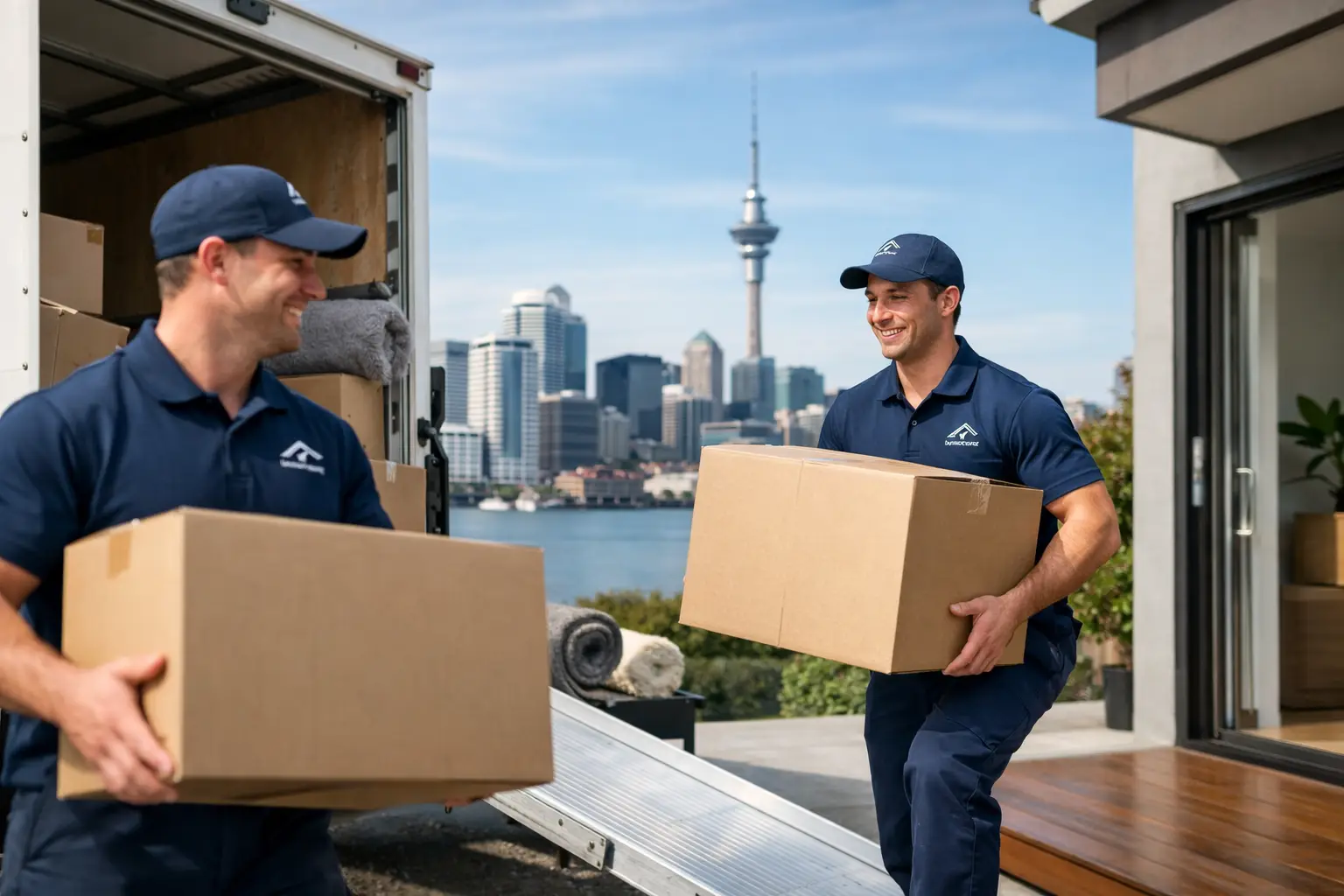
A bad move usually does not start with a dropped sofa. It starts earlier, when someone books a cheap quote without asking who is actually turning up, what truck they are bringing, or whether the crew knows how to handle more than cardboard boxes. If you are comparing movers Auckland households and businesses can rely on, that is where the real difference sits – not in the sales pitch, but in the standard of the operation behind it.
Moving is physical work, but it is also a timing job, a planning job and a responsibility job. When those three parts are handled properly, your move runs faster, your furniture is better protected and you are less likely to pay for wasted hours. When they are handled poorly, small problems stack up quickly. A truck is too small, the movers are not trained, access was never checked, heavy items are improvised on the day, and suddenly a straightforward move turns into an expensive mess.
What separates professional movers Auckland customers can trust
The moving industry has a wide spread of standards. Some operators run trained crews, proper furniture trucks and disciplined systems. Others act more like booking agents, passing jobs on to whoever is available. That distinction matters because accountability gets murky the moment the company taking your booking is not the company doing the work.
A professional mover should be able to tell you, plainly, who is handling your job, what kind of truck is being used, how furniture is protected, and how access issues are managed. If they cannot answer those questions clearly, that is a warning sign. Vague language usually means vague responsibility.
Training is another dividing line. Moving a home or office properly is not just brute force. It involves loading sequence, weight distribution, lifting technique, wrapping methods, stair handling and protecting both items and property. A crew without training may still get the job done, but often slower and with more risk. That extra time costs you money if the move is charged by the hour.
Cheap quotes can cost more on moving day
Plenty of people start with price, and that is understandable. But the cheapest number on paper is not always the cheapest move by the end of the day. An underquoted job can mean a smaller crew than required, a truck that cannot fit the load in one trip, or workers who have not been prepared for the actual scope.
That is where moving costs blow out. A job that should have been completed efficiently stretches into extra hours because the planning was weak from the start. If your settlement date, lease handover or business reopening depends on timing, delays can create pressure far beyond the hourly rate.
Good movers price with the job in mind. Sometimes that means a standard rate for common service areas and straightforward loads. Sometimes it means a site-specific quote because access, distance or item type changes the work. Honest quoting is not about promising the lowest number. It is about giving you a realistic one.
Trucks and equipment are not minor details
People often focus on labour and forget the vehicle. That is a mistake. A purpose-built furniture truck is part of the protection system. The right truck helps keep loads stable, reduces handling time and gives the crew a better setup for securing items properly in transit.
A dirty or unsuitable truck tells you a lot about the operator. If the vehicle is not clean and fit for purpose, there is a fair chance the same standard applies to the rest of the move. Furniture should not be loaded into a truck that looks like it was last used for building waste or random freight.
The same goes for moving gear. Trolleys, blankets, straps, shrink wrap and proper packing materials are not extras for a serious mover. They are basic tools of the trade. Without them, the crew ends up improvising, and improvisation is where damage happens.
Home moves need more than muscle
Residential moving has its own pressures. Families are juggling keys, cleaners, children, pets and settlement times. Renters are trying to avoid double handling and bond issues. Renovation moves often involve partial loads, storage reshuffles and tight access.
In those situations, a good mover helps reduce friction. That means arriving prepared, protecting vulnerable pieces properly and keeping the job moving without drama. It also means knowing when extra care is required. Marble tables, antiques, large mirrors and awkward sectionals are not items you want handled casually.
Packing support can make a major difference here. Some customers want a full packing service, while others just need quality materials and advice on how to prepare efficiently. There is no single right approach. It depends on your time, budget and the value of the items involved. But if you are moving fragile or high-value furniture, proper packing is usually cheaper than repairing damage later.
Office relocations are about downtime control
Commercial moves bring a different kind of risk. The biggest issue is usually not emotion or household disruption. It is lost working time. Desks, filing systems, monitors, chairs and equipment all need to move in a way that gets the business operating again quickly.
That is why office relocations need planning, not guesswork. Access windows, lift bookings, loading zones and internal placement should be discussed before the truck arrives. A crew that understands commercial moving will also know that speed has to be matched with discipline. Rushing through an office without a system can create confusion that costs more the next day.
For small to midsize businesses, this is where experienced operators earn their keep. They know the move is not finished when the truck is unloaded. It is finished when the business can function again without chasing missing furniture, tangled equipment or misplaced essentials.
Heavy and specialty items change the job
Not every move is a standard furniture run. Pianos, spa pools, safes, statues and stone-top furniture require specific handling methods, the right equipment and realistic planning. These are not jobs for a general labour crew hoping to work it out on site.
Specialty items often affect truck choice, crew size, access strategy and loading order. Stairs, narrow entries, steep drives and delicate surfaces all matter. The more difficult the item, the less room there is for amateur judgement.
Customers should be upfront about these pieces when requesting a quote. In turn, the mover should respond with clear questions, not assumptions. If an operator brushes off a piano or safe as if it is no different from a chest of drawers, look elsewhere.
Why direct operators beat middlemen
One of the biggest traps in the market is the intermediary model. A customer books with one business, then discovers the actual move is being done by someone else entirely. That creates a gap between promise and delivery, and it often leaves customers chasing answers when things go wrong.
Direct operators have more skin in the game. They are responsible for the booking, the crew, the truck and the result. That kind of accountability usually produces better standards because there is no one else to blame.
It also makes communication cleaner. If access changes, settlement is delayed or the inventory grows, you want to deal with the people doing the work, not a go-between reading from a booking sheet. That practical line of responsibility matters far more than flashy marketing.
How to judge a mover before you book
You do not need industry experience to spot the difference between a serious operation and a risky one. Ask direct questions and pay attention to whether the answers are direct in return. Who employs the movers? Are they trained? What truck will be used? How are furniture and specialty items protected? Is the quote based on the actual scope of the job?
You should also notice how the company talks about the work. Professionals tend to speak in specifics. They discuss logistics, access, timing and item handling. Less reliable operators often stay general because detail exposes weak systems.
This is where experience shows. A company like Auckland Moving Guys Ltd. is built around the practical parts customers should care about most – trained in-house crews, fit-for-purpose trucks, proper moving methods and direct accountability from booking through to delivery.
The best move is rarely the one with the loudest promise. It is the one run by people who know what can go wrong, plan to prevent it, and treat your furniture like it actually matters. If you keep that standard in mind when comparing movers, you will usually make a better call before moving day even starts.

0 Comments