
How to Move Heavy Furniture Safely
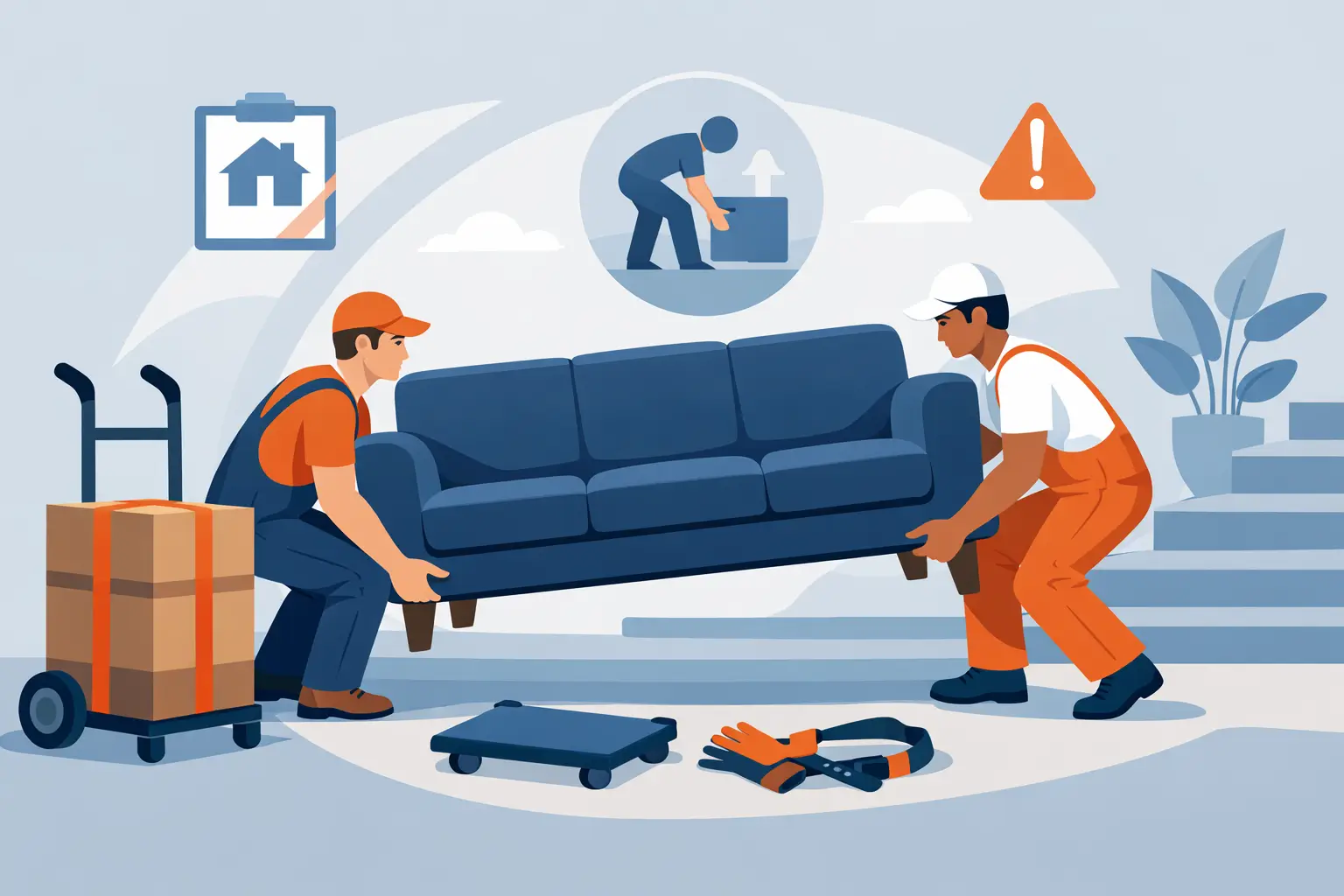
The job usually goes wrong before the lifting starts. A fridge gets measured after it is already half out the door. A marble table is wrapped with one old blanket and hope. Someone says, “She’ll be right,” then twists awkwardly under a load that should never have been lifted that way. If you are working out how to move heavy furniture, the real answer is not brute force. It is planning, proper equipment, and knowing when the job has moved beyond DIY.
How to move heavy furniture without damaging it
Heavy furniture is not just difficult because of weight. The real problem is size, shape, balance, fragility, and the path it has to travel. A solid timber buffet can be manageable on a flat surface with sliders, but become a serious risk on stairs or tight corners. A sofa might be lighter than a safe, yet more awkward because it catches on walls, handrails, and door frames.
That is why experienced movers do not treat every item the same. The method changes depending on whether you are shifting a wardrobe across one room, loading a truck for an Auckland house move, or relocating office furniture through lifts and narrow corridors. The wrong technique wastes time, and on an hourly move, wasted time costs money.
Start by assessing the item properly. Check the material, weak points, removable parts, and whether the weight is evenly distributed. Drawers, shelves, glass inserts, legs, and doors often need to come off before the move. That reduces weight, but more importantly, it removes the parts most likely to break.
Next, assess the access. Measure doorways, hallways, stairwells, lift dimensions, and the truck space if you are loading it yourself. This is where many people get caught. Furniture is often moved in and out at different angles, and a few centimetres can be the difference between a clean exit and gouged walls.
The equipment matters more than most people think
If you are trying to move heavy furniture with bare hands and a mate from down the road, you are making the job harder than it needs to be. Professional movers rely on equipment because it protects both the item and the people handling it.
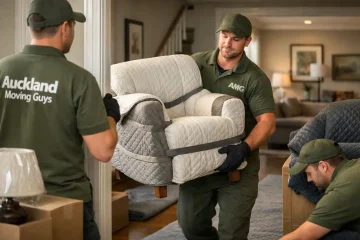
Furniture sliders are useful on timber, laminate, and some low-pile carpet. They let you shift bulky items with control instead of dragging them directly across the floor. Dollies and hand trolleys help with fridges, filing cabinets, washing machines, and boxed furniture, but only when the load is strapped and balanced correctly. Moving blankets are not there for appearance. They prevent scratches, reduce impact damage, and help stop furniture rubbing against truck walls or other items in transit.
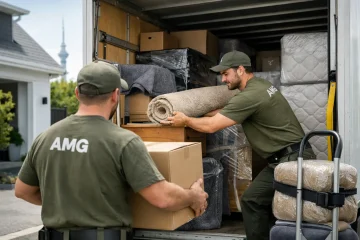
Ratchet straps are another one people underestimate. Heavy furniture inside a truck must be secured properly or it will move during braking and cornering. That is how polished surfaces get crushed, table legs snap, and upright items tip into everything around them. A clean, fit-for-purpose furniture truck with tie rails and proper loading space is a very different proposition from stuffing valuable belongings into any available van.
Then there is lifting gear. Shoulder straps, piano trolleys, appliance dollies, and stair-climbing equipment all have their place, but they are only safe in trained hands. Equipment helps, but only if the operator knows what they are doing.
Lifting technique is only part of the answer
You will hear the usual advice – bend your knees, keep your back straight, lift with your legs. That is sound enough as far as it goes, but it is not a full moving plan. Good lifting technique does not fix poor communication, bad grip points, uneven weight, or a blocked path.
Before anyone lifts, agree on the route and the commands. Who is leading? Where are the rest points? Which end is heavier? What happens if someone loses grip? These are basic questions, but they matter. Heavy furniture should be moved slowly, with constant communication and no sudden changes of direction.
Keep the load close to your body where possible. Do not twist under weight. If you need to change direction, step and turn rather than rotating through your spine. If the item is too wide or awkward to maintain a safe posture, stop and rethink the method. That might mean using a dolly, removing more parts, or deciding the job needs professional movers.
There is no medal for carrying something manually when a better option exists.
When stairs, tight spaces, and speciality items change the job
Stairs are where simple furniture moving becomes high risk. Gravity changes everything. A load that seems manageable on the flat can quickly become dangerous when one person is below and another is above, especially if visibility is poor or the furniture is top-heavy.
On stairs, the issue is not just strength. It is footing, balance, leverage, and control. If the item slips, there is very little time to recover safely. That is why fridges, pianos, marble tables, safes, and oversized couches often require specialised gear and trained crews. The same goes for commercial moves involving heavy desks, copier machines, server cabinets, or awkward reception furniture.
Tight spaces create their own problems. You may need to stand an item upright, pivot through a narrow hall, or remove a door from its hinges. Sometimes a balcony lift, hoist, or alternate access point is the safer option. It depends on the building, the furniture, and the risks involved. Anyone giving you a one-size-fits-all answer has probably not moved enough real furniture.
DIY can work – but only for the right jobs
There are situations where a careful DIY move makes sense. Shifting a low entertainment unit within the same room, moving a chest of drawers after emptying it, or repositioning a dining table with detachable legs can all be manageable if you have enough hands and the right equipment.
But many people underestimate the line between manageable and expensive. Damage usually comes from one of three things: poor preparation, poor handling, or poor transport. A scratched floor, torn sofa base, smashed glass panel, or strained back can wipe out any savings quickly.
The other issue is speed. A professional crew is not just there to provide muscle. They know how to sequence the move, protect access points, load the truck efficiently, and secure the contents for transport. That keeps the day moving and helps control costs. When furniture is handled properly from the start, there is less stopping, less reshuffling, and less chance of avoidable damage.
How to know when to call professionals
If the item is especially heavy, valuable, awkward, or sentimental, think carefully before attempting it yourself. The same applies if there are stairs, long carry distances, polished surfaces, narrow access, or time pressure. These are the situations where experienced movers earn their keep.
A professional operator should be able to explain how the furniture will be protected, what equipment will be used, how access issues will be managed, and who is actually responsible for doing the work. That last point matters. There is a big difference between dealing directly with trained movers and booking through a middleman who is simply passing the job on.
For customers across Auckland and the wider North Island corridor, that accountability matters just as much as the truck and labour. You want a team that turns up prepared, uses suitable equipment, and handles your belongings with discipline, not guesswork. That is the standard Auckland Moving Guys Ltd. has built its service around, because heavy furniture moving is one of those jobs where shortcuts show up fast.
Practical steps before moving day
If you are preparing for a heavy furniture move, start early. Empty drawers and cabinets. Remove loose shelves, legs, and detachable parts. Protect corners and fragile surfaces. Measure everything twice. Clear the route fully, including rugs, toys, pot plants, and anything that could create a trip hazard. Reserve lift access if needed, and sort out parking so the truck can be positioned close to the property.
Just as importantly, be realistic about the item itself. Some furniture can be partially dismantled and moved safely. Some should stay fully assembled to avoid structural damage. Veneer, antique joinery, stone tops, and older cabinetry all need a more careful approach than mass-produced flat-pack pieces.
If you are unsure, do not guess under load. Get proper advice before moving day, not halfway down the hallway with a wardrobe jammed against the wall.
Heavy furniture does not care how confident you feel on the morning. It responds to method, preparation, and experience. Get those right, and the move stays controlled. Get them wrong, and a simple job can become an expensive one very quickly.


1 Comment
Best Packing Materials for Moving Homes - Auckland Moving Guys Ltd · June 18, 2026 at 4:27 am
[…] Furniture is often the most valuable and hardest-to-replace part of a move. Beds, dining settings, sofas, cabinets, office desks, and sideboards all have different risk points. Timber scratches. Upholstery tears. Glass cracks. Stone chips. A careless wrap job can do almost as much damage as no wrap at all. […]